

By Amin H. Karim MD

North Pole is a small Alaskan city, near Fairbanks. It’s known for its year-round Christmas decorations, including candy cane–striped street lights. Santa Claus House is a Christmas store with walls covered in children’s letters to Santa and a huge Santa statue outside. Streets have names like Kris Kringle Drive and Mistletoe Lane;
It has a population of about 2300 people who are kind enough to volunteer for parents to send them gifts for children and they in turn mail it back to them via their post office so that they are stamped by the name “North Pole Post Office”.
Now, what has this to do with a Cardiology forum. I will tell you a little story with some history to it.
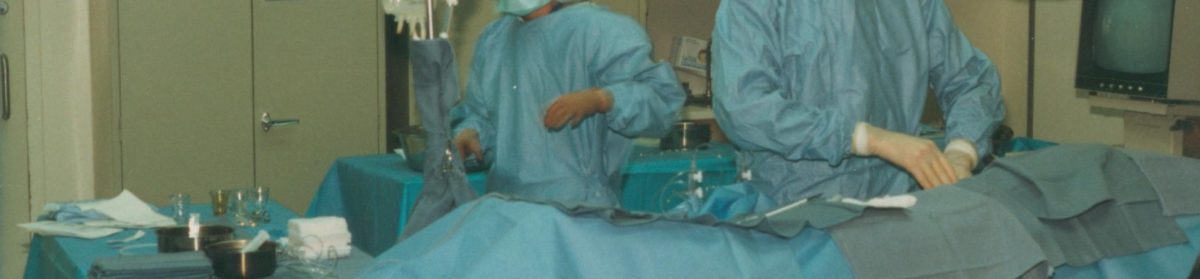
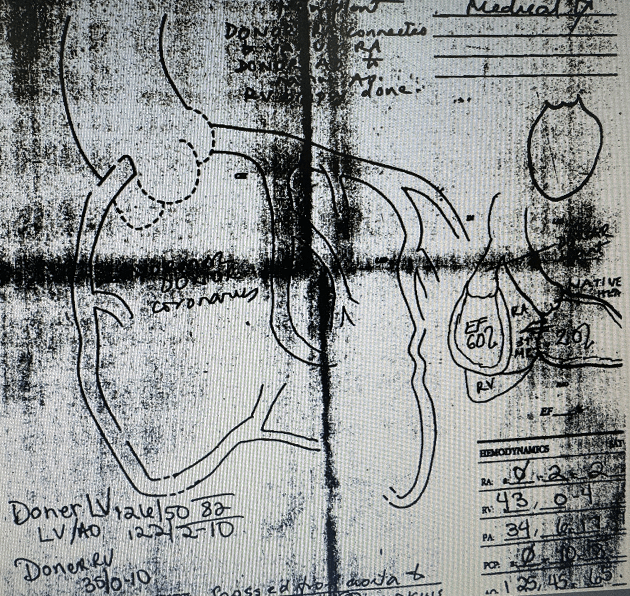
In late 1990s a 65 year old male patient from North Pole Alaska came to me with a complaint of shortness of breath. We found that he had end stage low EF congestive cardiac failure and after the usual workup enlisted him for heart transplant. He was lucky to get one and Dr. Howard Frazier ( who to this day has done the most heart transplants on the Planet) performed a rather atypical heart transplant on him. Instead of removing the entire front part of the recipient heart and suturing the donor heart over it, he did what was called ” a piggy back transplant” in which he left the native heart alone and connected the donor heart to the aorta and the RA/RV , thus creating a sort of ” Left ventricular Assist Device”. I am not sure what the exact reason for this experiment was but apparently he knew what he was doing The patient did well and went home and continued to improve for several months off this piggy back heart. He came back from Alaska and I did a cardiac cath on him as was the protocol along with an endomyocardial biopsy of the donor heart to check for rejection. I got the most strange experience of looking for two sets of coronaries and two left ventriculograms in the same person. The native coronaries were diseased but the donor coronaries were normal angiographically.
The patient continued to do well and became quite functional and tolerated his anti rejection regimen. One day, in 1999, he noticed a growth on his year and consulted his primary care doctor in Alaska who told him not to worry about it. Tragically, it turned out to be a melanoma that quickly spread to his brain and proved fatal. No wonder, to this day I still have his extended family and friends come to Houston for treatment as they do not trust the doctors there.

 GlobeMedic