
Private Equity and Medicine:
A Marriage Made in Hell
Published in the American Journal of Medicine.
September 26, 2023
Here is the link to the article:
https://doi.org/10.1016/j.amjmed.2023.09.008
Published in the American Journal of Medicine.
September 26, 2023
Here is the link to the article:
https://doi.org/10.1016/j.amjmed.2023.09.008
By Amin H. Karim MD
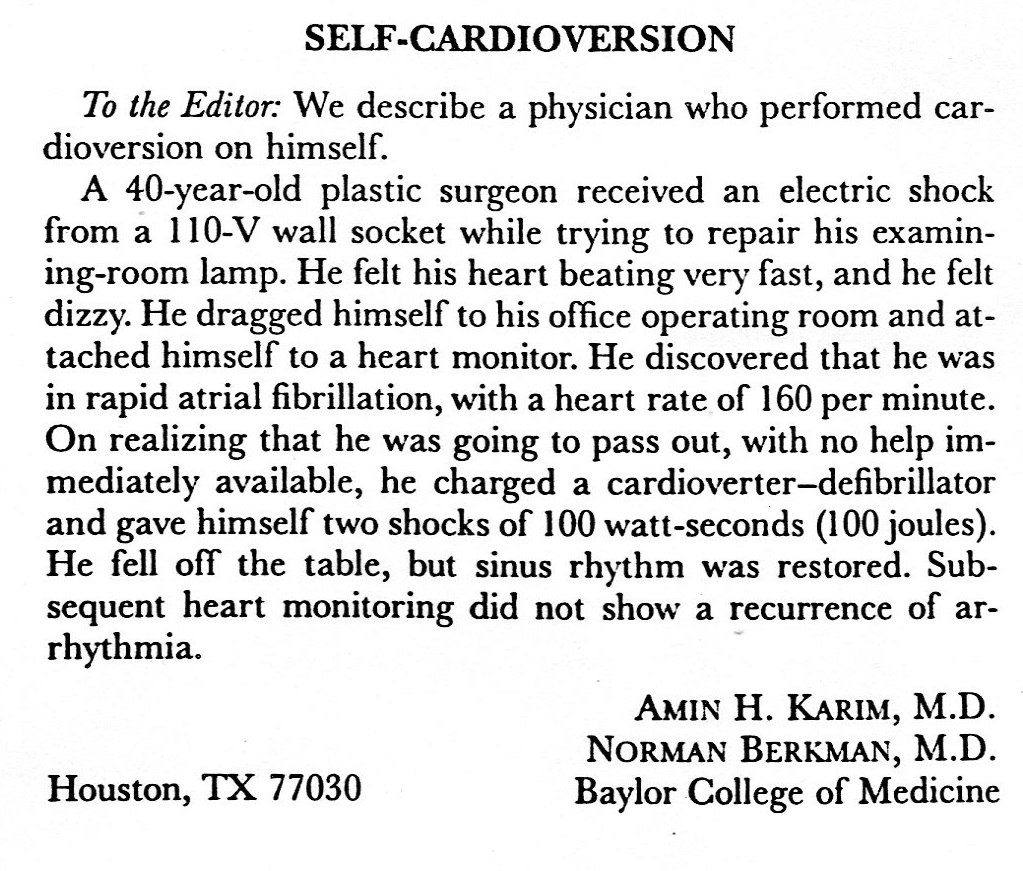
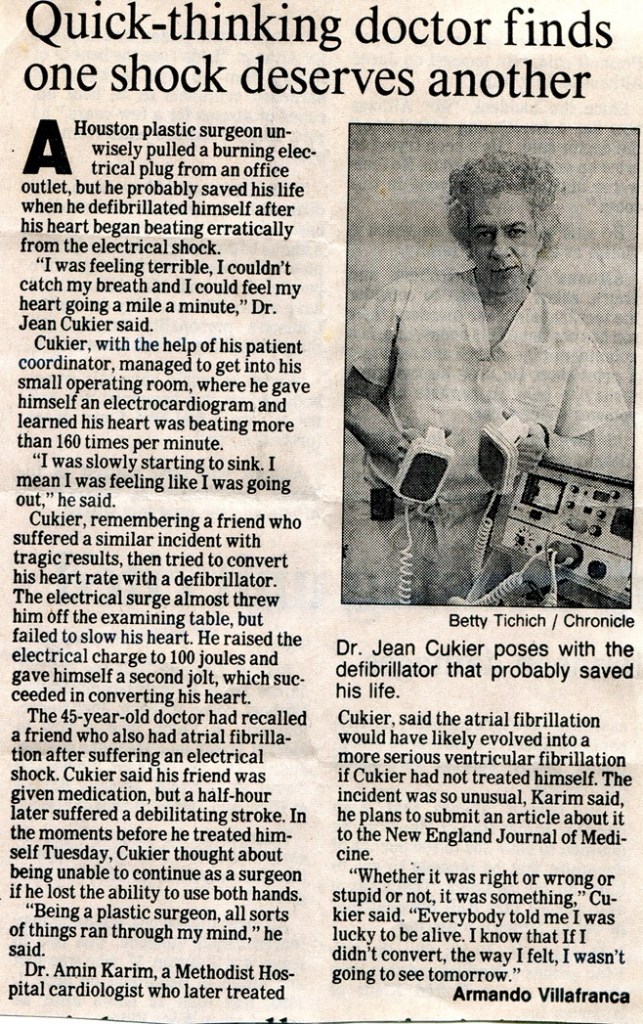
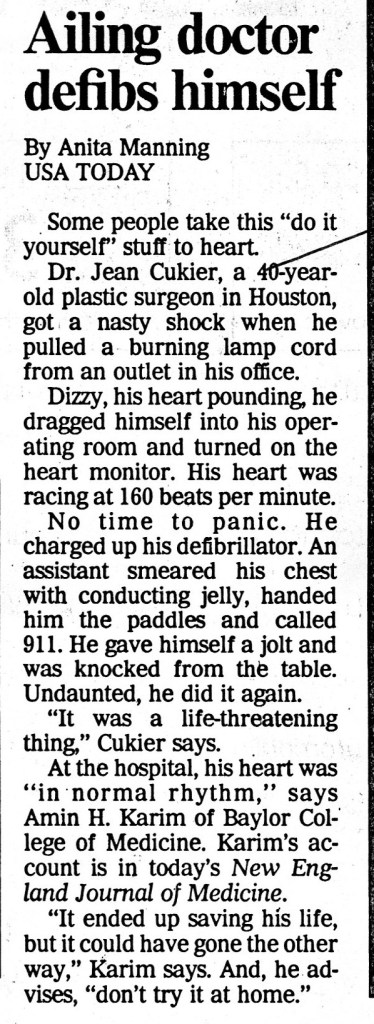
1995: An interesting encounter took place with someone I knew. The case was reported in the New England Journal of Medicine March 2, 1995. The case generated a lot of publicity with coverage on TV and newspapers. We even got a call from ABC Network for an interview on air, but the doctor declined. He recovered with no sequelae and went back to practice, retiring recently.
By Amin H. Karim MD
Heart health apps typically target the most common types of CVD, including arrhythmia, heart failure, and coronary heart disease. However, there is a general lack of scientific evidence for the usability and clinical potential of heart apps. They can be useful for the patient to monitor at home and give them an incentive to maintain their heart health.
Some popular heart apps include:
CardioVisual: This app is educational in nature. It has shareable videos with a wide variety of content aimed at both clinicians and patients. It allows connectivity for coordination of care.
Heart Failure Storylines: This app from the Heart Failure Society of America is a tool patients can use to track daily vitals, medications, symptoms, and more, and share it with their care team.
Instant Heart Rate: This app uses the camera phone to measure heart rate through the fingertips. It graphs results and can provide printable reports patients can share with you. Its accuracy has led to partnerships with entities such as University of California San Francisco.
KardiaMobile: This app pairs a smartphone with the FDA-cleared KardiaMobile device. It takes an instant EKG and can detect common arrhythmias, including atrial fibrillation. Data can be tracked over time and shared with the patient’s care team.
Qardio: This app works exclusively with Qardio devices to track heart health information, such as heart rate and blood pressure. It is shareable and can pair with smartwatches.
Smart Blood Pressure: This app replaces a written journal for tracking blood pressure, pulse, and weight. It can sync with Apple Health or Google Fit and provide shareable reports.
By Amin H. Karim MD
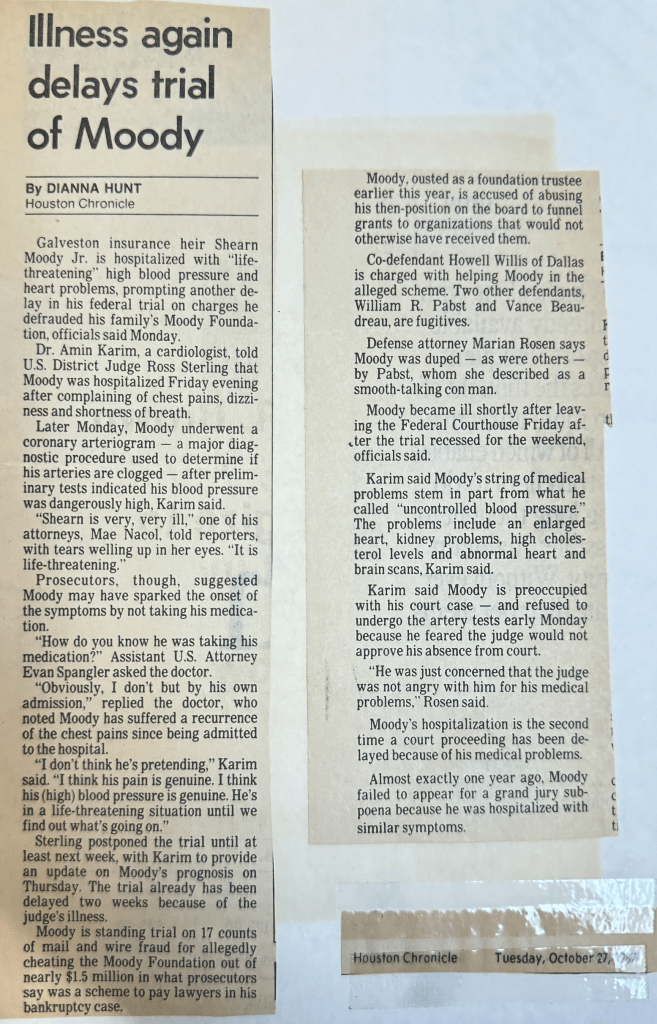
In 1987, I was approached by an attorney firm to take care of patient who was under trial. I did and next thing you know is a subpoena from the Court to present in the courtroom to give a deposition in front of the Judge. The proceedings are all public records. Later, the attorney (not mentioned in the article) herself became my patient.
By Amin H. Karim MD
This article was published in 1986 in “Hospital Practice”. May still be applicable since trimethoprim-sulfamethoxazole is still in use when indicated for infections susceptible to sulfas.
By Amin H. Karim MD
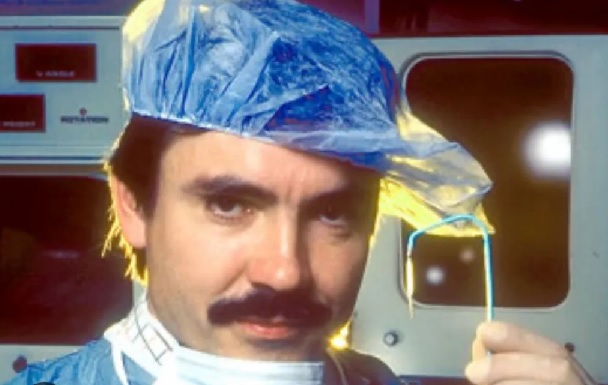
Andreas Roland Gruntzig used to say “ other cardiologists wear a surgical cap for sterility, I wear mine for style” ( Spencer King)
In the late 1960s, Gruentzig learned of the angioplasty procedure developed by Charles Dotter, an American, at a lecture in Frankfurt, Germany
Gruntzig did the first balloon angioplasty in 1977 in Zurich on a LAD focal lesion using a balloon devised in his kitchen.
Gruentzig presented the results of his first four angioplasty cases at the 1977 Amrican Heart Association (AHA) meeting, which led to widespread acknowledgement of his pioneering work.
10 years later Cath at Emory in the patient showed a patent LAD. Gruntzig passed away October 27 1985 in a plane crash in Georgia with his wife. ( October 27 1958 Ayub Khan took over Pakistan!). “ Gruntzig stated: “No matter what happens to the technique, I have made one contribution, and that is allowing physicians to work within the coronary arteries of the awake, alert patient.”
Gruentzig’s success remains a major breakthrough and great contribution to the field of medicine in demonstrating that doctors could work inside of the arteries safely, without the need for open surgery. By utilizing the arterial circulation as a “therapeutic highway”, many types of devices and drugs can now be delivered directly to the heart, kidneys, carotid arteries, brain, legs and aorta without the need for major surgery and general anesthesia.
By Amin H. Karim MD
A 72 year old dentist presented with several months of increasing shortness of breath. Echocrdiogram is as follows:
Coronary angiogram did not reveal any occlusive coronary disease.
Right ventricular endomyocardial biopsy showed a variable deposiiton of acellular material within the interstitium and replacing some myocardial fibres. Congo red stain and fluorescence microscopy with the Texas Red filter demonstrated strong positivity further supportive of amyloid deposition. The paraffin block was sent to Mayo Clinic for amyloid subtyping. it showed findings most consistent with age related amydoidosis since it did not detect amino acid sequence abnormality in the transthyretin protein.
November 2023: Four years after the above diagnosis patient is stable on treatment. He has a implantable automatic defibrillator and the current global ejection fraction is in the 45-50% range.
 GlobeMedic