When Side Effects Lead to New Use of a Drug

From Accidents to Advancements in the Realm of Medications.

Mahmood Syed, MS4
American University School of Medicine

Amanpreet Kaur, MBBS
Government Medical College Patiala, India

Amin H. Karim MD FACC
Clinical Assistant Professor
Baylor College of Medicine, Houston, Texas.

“When you have acquired knowledge and experience, it is very pleasant to
break the rules and to be able to find something nobody has thought of.”
These were the words of renowned Bacteriologist, Andrew Fleming, who
discovered Penicillin widely used today.
There are drugs whose original discovery was intended for
specific indications. However, their side effects were so
useful that these medications were eventually repurposed as
treatments for other medical conditions. This phenomenon is
also known as “drug repurposing” or “serendipitous
discovery”. Here are some examples of such medications
widely used today:

 The discovery of Minoxidil is a fascinating chapter in medicinal
advancements. It was initially created for the treatment of
Hypertension. However, during clinical studies, scientists discovered a
surprising adverse effect that caused hair growth in patients that were
taking this medication. This coincidental finding prompted more
research into Minoxidil’s potential as a male pattern baldness remedy.
Eventually, it was repurposed for this indication.

 Viagra (Sildenafil) is another interesting medication that was
unintentionally found while being used in the treatment of Angina
Pectoris and Pulmonary Hypertension. An unanticipated side effect that
the researchers discovered during clinical trials was that many of the
male participants reported having better erectile function after taking this medication due to its vasodilatory effects. Therefore, it was
repurposed as a medication for men suffering from Erectile Dysfunction
(ED).

 Bimatoprost was another medication that was initially discovered for the
treatment of Glaucoma, but researchers noted that it increased eyelash
length, thickness, and blackness in the patients who received these eye
drops for the treatment of Glaucoma. This led to its use for cosmetic
enhancement of eyelashes today.

 Ozempic (Semaglutide) was originally discovered for the treatment of
Type 2 Diabetes Mellitus. This medication functioned as a GLP-1 agonist.
Researchers found that it caused significant weight reduction in addition
to controlling blood glucose levels. After further clinical trials, it was
approved as a medication for weight loss.

 Gabapentin was initially discovered as a potential treatment for seizures
as it was structurally similar to the neurotransmitter GABA. After its
initial discovery, Gabapentin was subsequently found to have efficacy in
treating neuropathic pain in patients who were treated for seizures,
leading to its approval for this indication as well.

 Finasteride was initially investigated for its potential use in the
treatment of Benign Prostatic Hyperplasia. While clinical trials were
ongoing to see the effectiveness of this medication for BPH, it was
observed that patients taking finasteride experienced hair growth as a
side effect. Eventually, it was repurposed for the treatment of hair loss.

 Methotrexate, a potent inhibitor of Folate metabolism, was used for the
treatment of many cancers including Acute Lymphocytic Leukemia (ALL)
and Choriocarcinoma. It was discovered to be effective in treating
autoimmune conditions due to its ability to inhibit cell growth and
modulate immune responses. Today, it is used to treat conditions like
Systemic Lupus Erythematosus (SLE) and Rheumatoid Arthritis (RA).

 The development of aspirin from a painkiller to a multi-indicated drug is
evidence regarding its healing characteristics. Initially, aspirin was found
to be useful for reducing fever and pain. However, it is now essential for
maintaining cardiovascular health, controlling inflammation, and even
preventing and reducing the incidence of cancer, particularly in the
setting of colon cancer. This extensive range of applications highlights
the significance of aspirin in modern medicine and
its ongoing importance over a century after it was
initially discovered.

There are other medications that produce treatment indications as a result of
their side effect. In the world of ever-evolving medicine and advancements in
medical research, there is no doubt there will be more discoveries of newer
medications as well as current medications with newer indications. The
medical field is expanding on a level never experienced before in humanity. As
new therapies become available, as well as more research being generated as
a result of clinical trials and controlled studies, we will see an even greater
advancement in medicine in the near future than we have ever seen before.
The only limitation that we have is the limitations we set on ourselves. In the
book, The Laws of Medicine, by Pulitzer Prize-winning author Siddhartha
Mukherjee, he says “ In medicine, mistakes are inevitable but learning from
them is essential.” Furthermore, if these mistakes lead to newer discoveries
and treatments in the realm of medicine, then mistakes might just be better
than getting it right the first time.
Implantable Cardioverter Defibrillator (ICD)

By Amin H. Karim MD

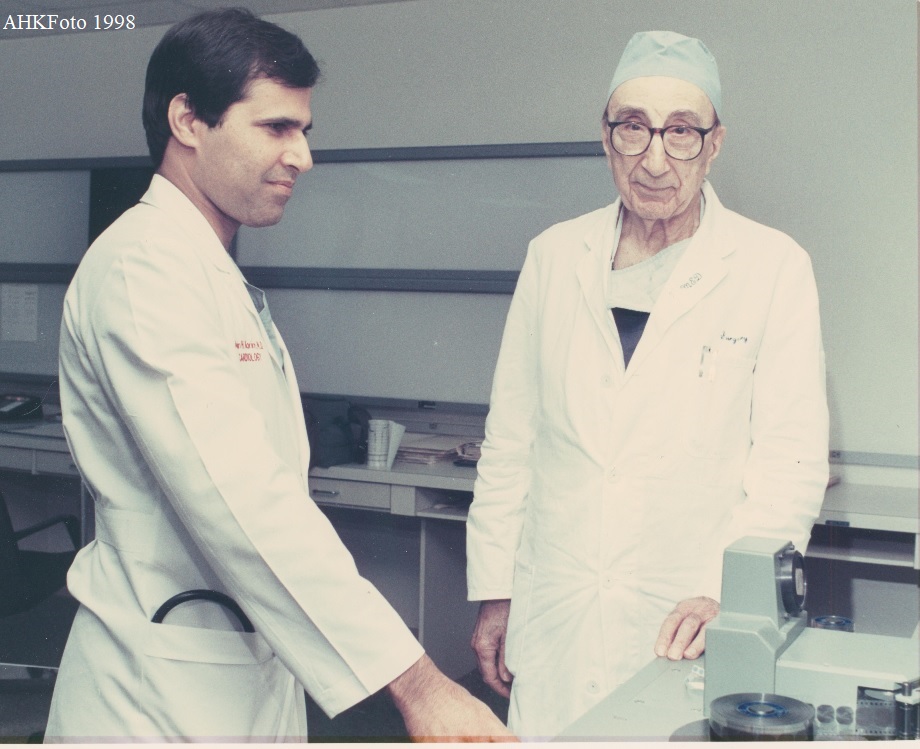
Prof. Michel Mirowski, Chief of Cardiology at the Sinai Hospital of Baltimore, Maryland, Inventor of ICD, with Amin H. Karim (Resident in Department of Internal Medicine 1981)

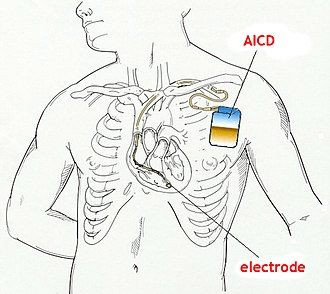
The development of the ICD was pioneered at Sinai Hospital in Baltimore by a team including Michel Mirowski, Morton Mower, Alois Langer, William Staewen, and Joseph “Jack” Lattuca. Mirowski teamed up with Mower and Staewen and together they commenced their research in 1969 but it was 11 years before they treated their first patient.

I was a resident at the Sinai-Hopkins program in 1981-83. We followed the development of the ICD with interest and watched Dr. Mirowski conduct his experiments on dogs. The dog would be attached to electrodes, with a large contraption on a crash cart following the dog. The dog would be put into ventricular tachycardia by stimulation and would collapse to be followed by a auto shock and the dog would be revived! The size of the contraption was the size of a large television; Engineers with Boston Scientic and other companies then worked on it and made it compact and implantable. 

The work was commenced against much skepticism even by leading experts in the field of arrhythmias and sudden death. There was doubt that their ideas would ever become a clinical reality. In 1972 Bernard Lown, the inventor of the external defibrillator, and Paul Axelrod stated in the journal Circulation – “The very rare patient who has frequent bouts of ventricular fibrillation is best treated in a coronary care unit and is better served by an effective anti-arrhythmic program or surgical correction of inadequate coronary blood flow or ventricular malfunction. In fact, the implanted defibrillator system represents an imperfect solution in search of a plausible and practical application.”

The problems to be overcome were the design of a system which would allow detection of ventricular fibrillation or ventricular tachycardia. Despite the lack of financial backing and grants, they persisted and the first device was implanted in February 1980 at Johns Hopkins Hospital by Dr. Levi Watkins Jr.

The first devices required the chest to be cut open and a mesh electrode sewn onto the heart; the pulse generator was placed in the abdomen.

ICDs constantly monitor the rate and rhythm of the heart and can deliver therapies, by way of an electrical shock, when the heart rate exceeds a preset number. More modern devices have software designed to attempt a discrimination between ventricular fibrillation and ventricular tachycardia (VT), and may try to pace the heart faster than its intrinsic rate in the case of VT, to try to break the tachycardia before it progresses to ventricular fibrillation. This is known as overdrive pacing, or anti-tachycardia pacing (ATP). ATP is only effective if the underlying rhythm is ventricular tachycardia, and is never effective if the rhythm is ventricular fibrillation.

Many modern ICDs use a combination of various methods to determine if a fast rhythm is normal, supraventricular tachycardia, ventricular tachycardia, or ventricular fibrillation.

Rate discrimination evaluates the rate of the lower chambers of the heart (the ventricles) and compares it to the rate in the upper chambers of the heart (the atria). If the rate in the atria is faster than or equal to the rate in the ventricles, then the rhythm is most likely not ventricular in origin, and is usually more benign. If this is the case, the ICD does not provide any therapy, or withholds it for a programmable length of time.

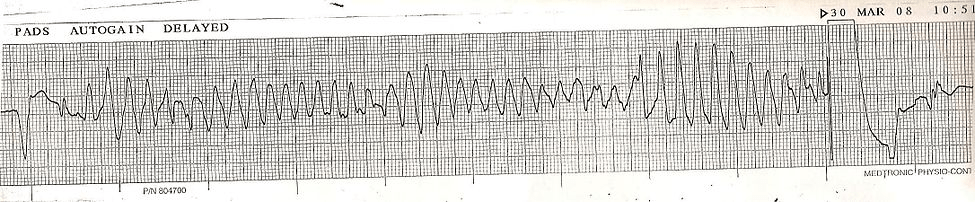
Rhythm discrimination will see how regular a ventricular tachycardia is. Generally, ventricular tachycardia is regular. If the rhythm is irregular, it is usually due to conduction of an irregular rhythm that originates in the atria, such as atrial fibrillation. In the picture, an example of torsades de pointes can be seen; this represents a form of irregular ventricular tachycardia. In this case, the ICD will rely on rate, not regularity, to make the correct diagnosis.

Morphology discrimination checks the morphology of every ventricular beat and compares it to what the ICD knows is the morphology of normally conducted ventricular impulse for the patient. This normal ventricular impulse is often an average of a multiple of normal beats of the patient acquired in the recent past and known as a template.

The integration of these various parameters is very complex, and clinically, the occurrence of inappropriate therapy is still occasionally seen and a challenge for future software advancements.

Lead II electrocardiogram (known as “rhythm strip”) showing torsades de pointes being shocked by an implantable cardioverter-defibrillator back to the patient’s baseline cardiac rhythm.

Torsades de Pointes converted by ICD

A number of clinical trials have demonstrated the superiority of the ICD over AAD (antiarrhythmic drugs) in the prevention of death from malignant arrhythmias. The SCD-HeFT trial (published in 2005)showed a significant all-cause mortality benefit for patients with ICD. Congestive heart failure patients that were implanted with an ICD had an all-cause death risk 23% lower than placebo and an absolute decrease in mortality of 7.2 percentage points after five years in the overall population.1 Reporting in 1999, the Antiarrhythmics Versus Implantable Defibrillators (AVID) trial consisted of 1,016 patients, and deaths in those treated with AAD were more frequent (n = 122) compared with deaths in the ICD groups (n = 80, p < 0.001) In 2002 the MADITII trial showed benefit of ICD treatment in patients after myocardial infarction with reduced left ventricular function (EF<30). (Copied from Wikipedia)

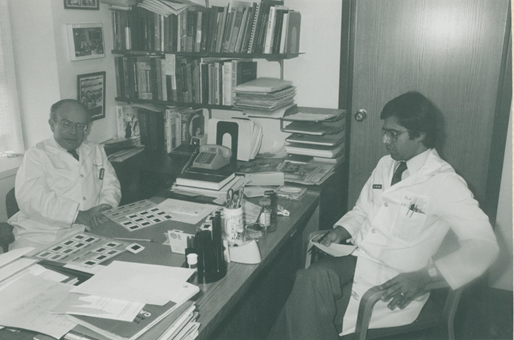
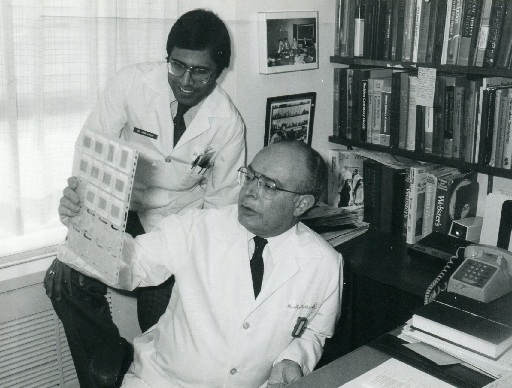
Prof. Mirowski of Sinai Hospital of Baltimore, Maryland in his office.

Mirowski, M; Reid, PR; Mower, MM; Watkins, L; Gott, VL; Schauble, JF; Langer, A; Heilman, MS; Kolenik, SA; Fischell, RE; Weisfeldt, ML (7 August 1980). “Termination of malignant ventricular arrhythmias with an implanted automatic defibrillator in human beings”. The New England Journal of Medicine. 303 (6): 322–4. doi:10.1056/nejm198008073030607. PMID 6991948.

Del Oro Hospital Days

By Amin H. Karim MD

In the 1990s, there was a small 100 bed hospital called Medical Center Del Oro Hospital situated on Greenbriar Drive, behind where the Women’s Hospital of Texas is now. it was founded in 1970s by a group of 20 or so physicians and surgeons in the Texas Medical Center who were all affiliated as Non-Baylor Non UT physicians with the major hospitals like Hermann, Methodist and St. Luke’s Episcopal Hospital. They wanted a hospital of their own free of politics as existed in the medical center hospitals with full time faculty and private physicians. (Seems they were ahead of their time). 
The hospital thrived and even added open heart surgery program when a fellow graduating from Dr. Michael E. DeBakey program at Baylor College of Medicine, Dr. Pedro Rubio went into practice and started a open heart surgery program at Del Oro. A couple of cardiologists like Dr. Mehdi Al Bassam and Matheethra Jacob later joined and did interventions in the cath lab with Dr. Rubio providing surgical backup which was mandatory in the early days of plain baloon angioplasty, some ending up with intimal dissections and needing urgent coronary bypass. Dr. DeBakey, as expected, did not like Pedro starting his own program at a neighboring hospital and potentially competing with him. But this is a free country, thank God, and there is little he could do about it. If Pedro was his resident he could have been solidly expelled from the program on the spot! Regardless, Pedro would often tell his encounters with Dr. DeBakey including one where Dr. DeBakey challenged him to car race on Fannin Street and they both did; Pedro, being smart, let the Professor win lest he was fired from the program! I did refer patients to Dr. Rubio and we got along quite well. Since I was one of the early trained fellows in Interventional Cardiology, would assist other cardiologists and teach them a thing or two of balloon angioplasty. 
I would refer some patients to Dr. Rubio but would refer the higher risk patients to Dr. Gerald Lawrie or late Dr. Jimmy Howell at the Methodist Hospital. Patients who came to me from India or Pakistan would prefer St. Luke’s Hospital, one due to Dr. Denton Cooley’s fame and second St. Luke’s offered a “package deal” for coronary bypass whereas Methodist would charge more (often much more). Hermann has it’s own international program too.

Del Oro was sold by the physician owner to HCA Hospital in the early 1980s. HCA was later acquired in the early 1990s by Columbia Hospital System. Later Columbia went bankrupt due to Federal action against them. (will write about that later). It was re-acquired by HCA. In mid 1990s it was shut down and demolished, the land being taken over by the Women’s Hospital of Texas for their expansion.

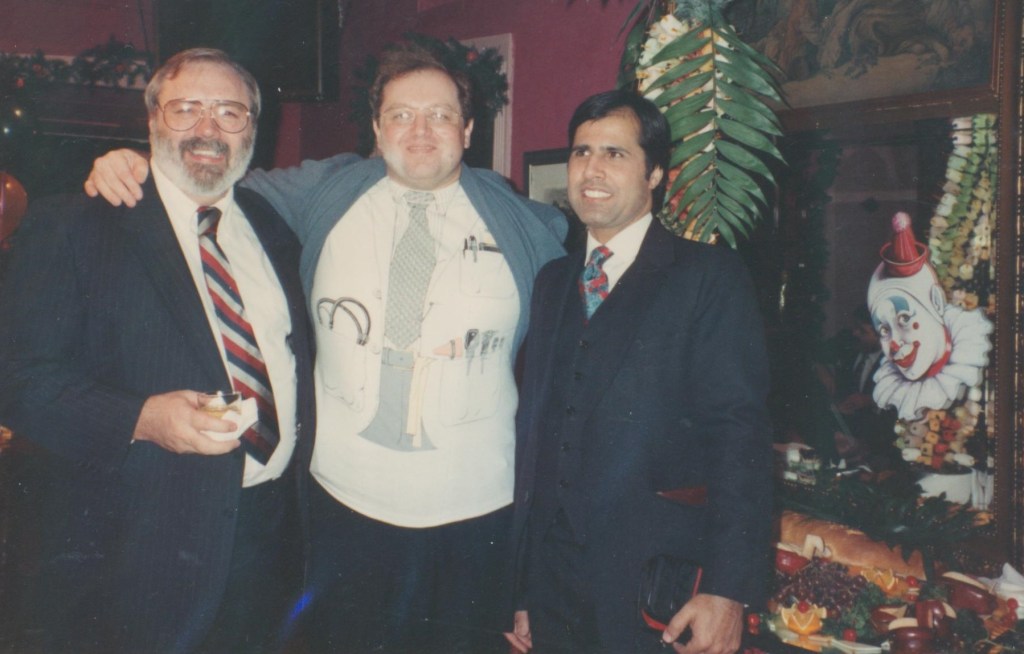
The photo above was at one of the Holiday parties in the 1990s with late Mr. Denzil Hamblin on the left and Pedro Rubio in the middle. Denzil was very experienced cath lab director and passed away in the early 2000s. Dr. Rubio met with a freak accident at home when he stumbled over the large box TV which a repairman had left inside his house near the front door. He broke his elbow joint and even underwent replacement but unfortunately could not longer operate. He had also pioneered laparoscopic cholecystectomy and wrote a book on it. He was honored by Royalty in Europe which he proudly displayed in his office and on his letter heads. He passed away a decade ago. 

May both rest in Peace. 

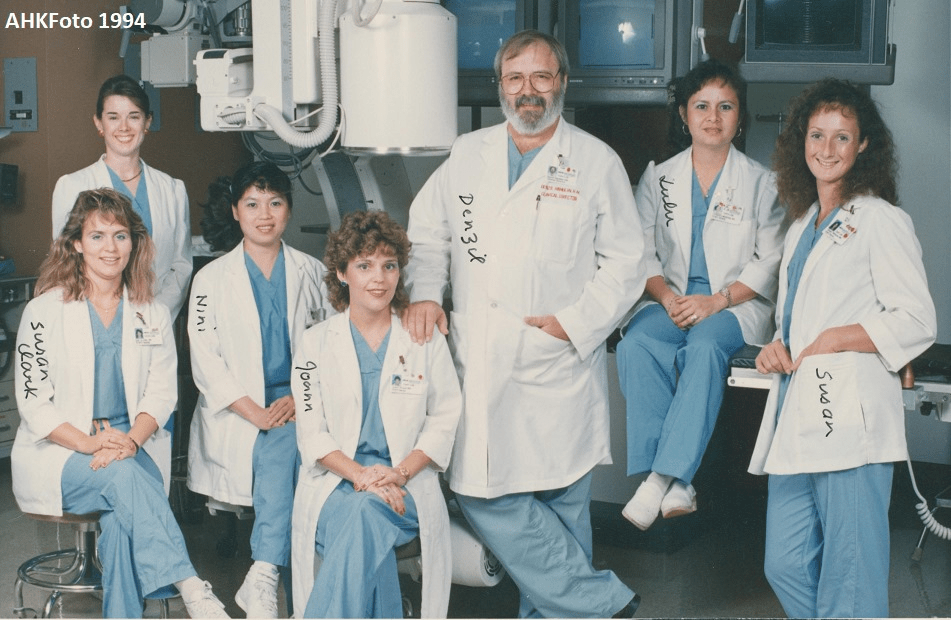
Nursing staff of the Del Oro Medical Center Hospital in 1994. Denzil, Joann and Lulu have passed away. May they rest in Peace. Joann was one of the most pleasant and kind nurse and liked by all. 

AngioPlasty Inventor

By Amin H. Karim MD

Andreas Roland Gruntzig used to say “ other cardiologists wear a surgical cap for sterility, I wear mine for style” ( Spencer King)
In the late 1960s, Gruentzig learned of the angioplasty procedure developed by Charles Dotter, an American, at a lecture in Frankfurt, Germany
Gruntzig did the first balloon angioplasty in 1977 in Zurich on a LAD focal lesion using a balloon devised in his kitchen.
Gruentzig presented the results of his first four angioplasty cases at the 1977 Amrican Heart Association  (AHA) meeting, which led to widespread acknowledgement of his pioneering work.

10 years later Cath at Emory in the patient showed a patent LAD. Gruntzig passed away October 27 1985 in a plane crash in Georgia with his wife. ( October 27 1958 Ayub Khan took over Pakistan!). “ Gruntzig stated: “No matter what happens to the technique, I have made one contribution, and that is allowing physicians to work within the coronary arteries of the awake, alert patient.”

Gruentzig’s success remains a major breakthrough and great contribution to the field of medicine in demonstrating that doctors could work inside of the arteries safely, without the need for open surgery. By utilizing the arterial circulation as a “therapeutic highway”, many types of devices and drugs can now be delivered directly to the heart, kidneys, carotid arteries, brain, legs and aorta without the need for major surgery and general anesthesia.

Ref: https://en.wikipedia.org/wiki/Andreas_Gruentzig

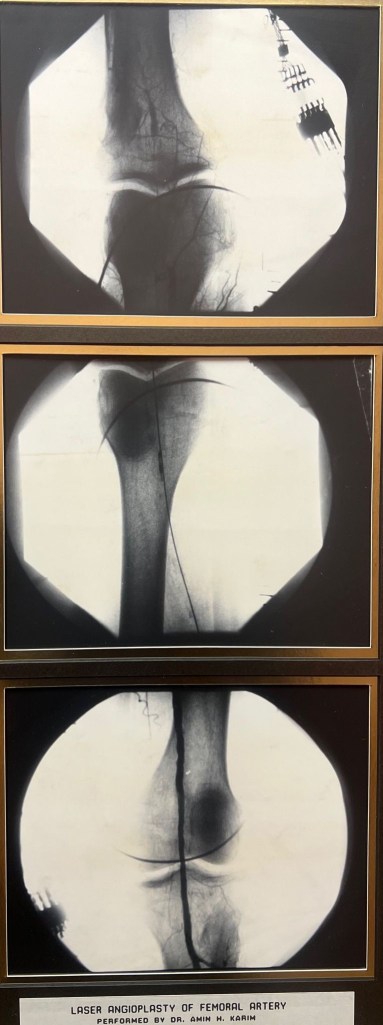
Exhimer Laser Angioplasty of Peripheral Arteries

By Amin H. Karim MD

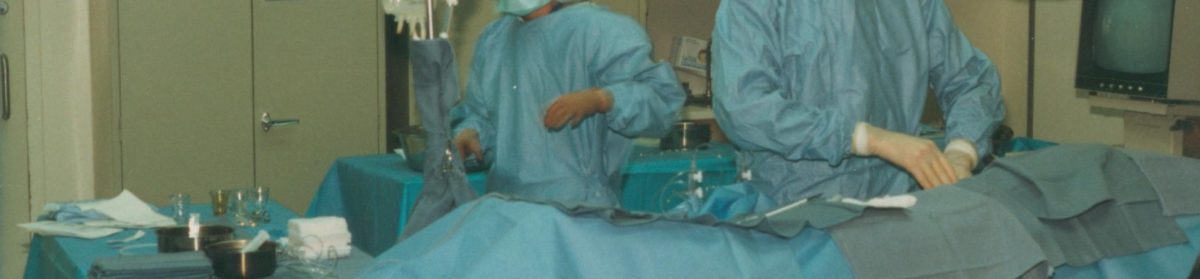
Interventional friends; here is a piece of history. The year is 1989 ( 34 years ago). Excimer ( short for excited dimer) was approved for peripherals and later coronary use; we, in Houston, were one of the first to try it out after attending a laser safety course. Above is an angioplasty on a CTO of femoral artery. The probe went in ( without wire) like a “knife through butter” followed by wire and balloon ( stents had not been invented yet) of course as expected there was thermal damage to intima and reactive fibrosis and Re stenosis. But did have impact on patient psyche of having “ cutting edge” procedure ( no pun intended). 

The author can be reached at globelinker@gmail.com

Legendary Surgeons of Houston.

By Amin H. Karim MD

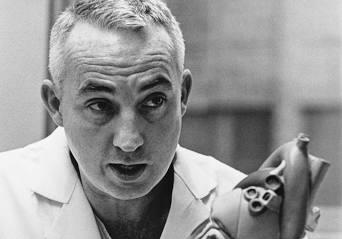
That’s Norman Shumway, the first to perform heart transplant in USA in 1968, after Christian Bernard did the first in the world in 1967.  ( I had just graduated from school!) . Unfortunately never met Dr. Shumway, although he may have come to Texas Heart Institute and known Howard Frazier who was into heart transplants in Houston.  Shumway died in 2006 of lung cancer. Amazingly, two other legends at Houston Methodist Stanley Crawford, pioneer of aortic aneurysm surgery, and Jimmy Howell, both smokers and both died of lung cancer!. May they all rest in Peace. They gave a lot to humanity.  They lived in times when doctors advertised smoking for asthma!

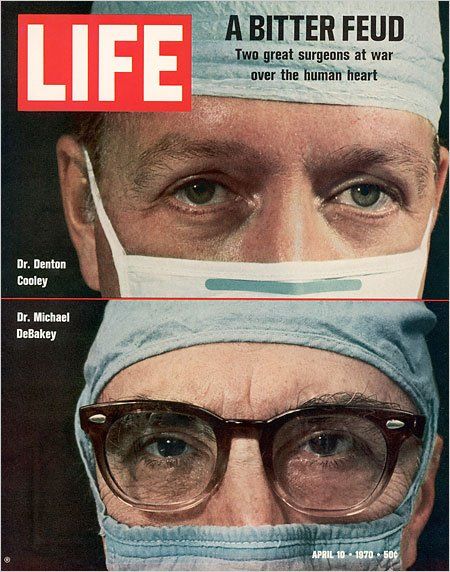
ABOUT Dr. DEBAKEY

  It is said as a kid DeBakey who grew up in New Orleans went to the school library and asked the librarian if he could borrow the Encyclopedia Brittanica; the librarian of course told him he cannot since it is a reference. His dad bought a set for him and he read all the volumes cover to cover.

MEDs preferred cardiologist was Dr. Mohammed Attar, a solo like me; he probably liked him because Attar is very good and meticulous and also because his roots are in Syria and Lebanon like Dr DeBakey.  Attar and I covered each other for more than 20 years. MED daily rounds would start exactly at 3 pm. He would be walking VIP the stairs with his entourage of Dr Attar, fellows residents behind. One nurse said you guys look like a hen followed by chicken.  🙂 when Attar was out of town I would have to be ready by 3 and know all his patients like an intern!  But he was always nice as long as you knew the patients.

Dr. DeBakey had his office on the 9th floor of Fondren Building in Methodist. He had the privilege of holding the fireman’s key to the elevator. When he got in he would use the key and press 9 which means elevator goes straight to  9. One was supposed to leave the elevator regardless and he would ride up. May he rest in Peace.

Some good things about MED ( initials for Michael E. DeBakey) he did open hearts by thousands. Kept a file on each patient. If we Cath his patients later we would have to send a diagram to him. He would carefully record the findings comparing with the ones before and after surgery and write pencil notes. His office was inside the hospital; he stayed on full time faculty of Baylor till the end and never did  private practice. Passed away in 2008 at age 99.

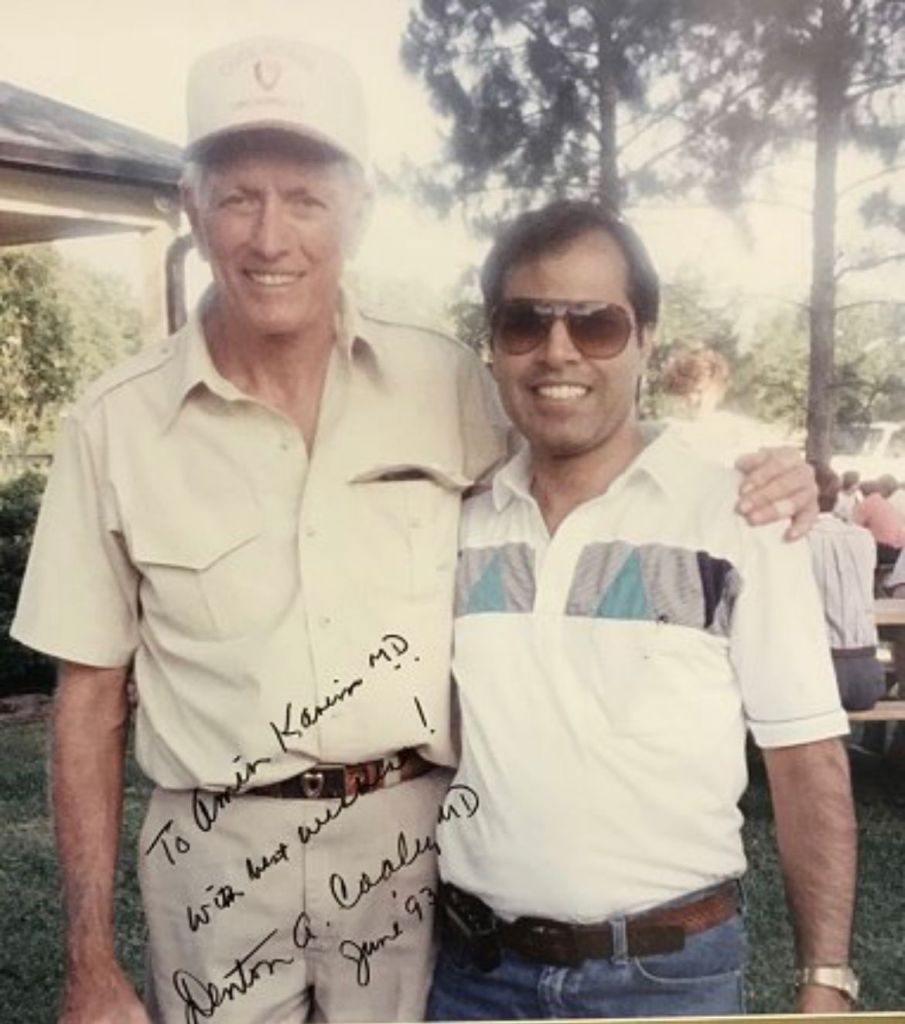
Late Denton Cooley certainly was the more friendly of the two. He held cardiologists close to his heart inviting them to his ranch every year ( Cool Acres Ranch in Rosenberg) for BBQ. He would play softball with the kids he had 5 daughters ( some were surgeons). Cardiologist Virendra Mathur made him famous in India and many came to him including Kishore Kumar, Madam Noor Jehan and others.  When General Habibullah ( Gen Ayub Khan’s samdee) who was Mathur’s patient when he found out there was a Pakistani cardiologist next door in Methodist he switched over and he remained my patient till the end; same happened with some others from Pakistan. Later Cooley did not get into newer techniques like mini cab calling them gimmicks. 

Certainly Naeem as time permits; have seen and worked with both of them over the years and of course heard a lot of Doctors Lounge Talk.  I was one if the blokes who was on good terms with both these “ rivals” in two neighboring hospitals. Late Oro dental surgeon Oscar Moldonado and Dr. George Noon would similarly claim!

I will try to keep what I write free of what can even remotely be construed as gossip or back biting (the latter strictly not allowed in Islam).  Will write what I saw or others who I trust recounted.  Of course, being busy and running to different hospitals to make a living, there was no time to record numbers and stats. etc ( not easily revealed by hospitals anyway).  Blogs better than books since they can be updated and read by all for free.  History aside, maybe other interventionists will take a hint and start their own blogs and record their interesting cases and how they were treated ( I see some remarkable cases on WhatsApp groups). Later new fellows can benefit from it. WhatsApp and FaceBook messages are fleeting. YouTube can also be used similarly by creating your own channel. Just have to make sure patient ID remains hidden (we know the rules) Youtube is universal and residents all over the globe can benefit. This is all informal, ongoing  and individually powered and costs nothing.

Author can be reached at globelinker@gmail.com

Prof. Michael E. DeBakey

PROF. MICHAEL E. DEBAKEY’S ROUNDS 1980 AND BEFORE:

Posted on 

Prof. Michael E. DeBakey is nothing short of a legend of Medicine. He was the Head of Department of Surgery at the Baylor College of Medicine, Houston, Texas.

This write up is not meant to write his bio. He already has books written on him. These are just quiet observations of someone who worked at the Houston Methodist Hospital from 1984 to date and saw and worked with the Professor as a non surgeon and for a limited time.
Prof. DeBakey rounded Monday to Friday starting at 4 PM. He carried a patient load of roudndly 100-120 patients at a time. He was very meticulous and expected to know details on each of his patient. The resident responsible for the patients had to be on his/her feet and expected to know progress, labs, vital signs and report to the Professor. Dr. DeBakey expected all the consultants, some Chiefs of their own departments to accompany him on the rounds so that quick decisions could be made. This included the Cardiologist (sometimes more than one) the Internist, the Nephrologist, Infectious Disease Specialist, Pulmonologist and the like. The attrition rate of residents was about 20% either resigning due to stress and could not take it any more or being fired on the spot.


FONDREN ICU RESIDENT: The Cardiovascular ICU was the location for this famed rotation which all CV residents had to undertake and was one test of nerves and patience. Professor likely used this as The Test to see who could survive his training and come out a trained surgeon. First it was straight 3 months ( as related to me by Dr. Phillipe, Urologist) and later it was changed to 60 days done twice. (related to me by Dr. Hazim Safi, CV Surgeon) During this rotation, the resident LIVED in the ICU and was not allowed to leave till the rotation ended. He/she slept in the isolation room ( no attached bathroom, just a sink) and was on call 24/7. His job was to round on each and every patient in the ICU and write notes, and fill out the detailed labs on each patient to present to the Professor during rounds. In the early days there was a RED LINE which could not be crossed by the resident to go out. (more about this later). Actually less residents were fired from this rotation than on the other rotations, likely because by the time they came to this rotation they had already weathered the “storm”.

PROFESSOR DEBAKEY’S RED LINE:

A red line similar to this one once was at the entrance to the Fondren ICU at the Methodist Hospital, Houston, Texas. It represented the line that could not be crossed by the surgical resident doing his three month rotation in the Cardiovascular Intensive Care Unit. Once the resident entered the Unit he stayed there for the next 3 months, sleeping in a room, working, rounding, writing notes, doing procedures, managing ventilators, admitting and discharging patients, accompanying Prof. DeBakey on rounds once or twice or more daily. There was no timing of rounds which could start and end when all the patients had been seen. Resident ate, drank, prayed, showered, shaved and slept when he could in the Unit. He could see his family once in a while through a small window. One thing he could not do till the last day of his rotation is to cross the red line. For if he did, it would mean an end to his surgical residency and his career. He would be dismissed from the Surgical program and from the Hospital. The following true incident was quoted by a surgeon (who is now a urologist) who actually did this rotation in 1960’s.There was a Philipino resident in the group. He had done 10 weeks of the rotation with 2 weeks more to go.He was excited and out of sheer fun he went near the red line and actually crossed it and bragged to the nearby patient liaison secretary that he had only two more weeks to go and then he would be free. Alas, his excitement was not to last long. The secretary promptly picked up the old black dialer phone and called Dr. DeBakey’s secretary and told her what she had noticed. Next morning at rounds, Dr. DeBakey singled out the resident, held him by the nape of his neck, dragged him to the entrance of the ICU and physically kicked him out of the Unit.  The resident was expelled from the program. The reader can make his/her own decision regarding this incident. Was it his strict discipline that he himself practiced and he expected from his students for him to take this drastic action?  Was it cruelty?  Of course in this day and age this type of authoritarian practice would not be possible without inviting a lawsuit for assault. In fact might be criminal.  You decide…..