
Collected by Dr. Irfan Majeed MD and A.Wiq Haider MD
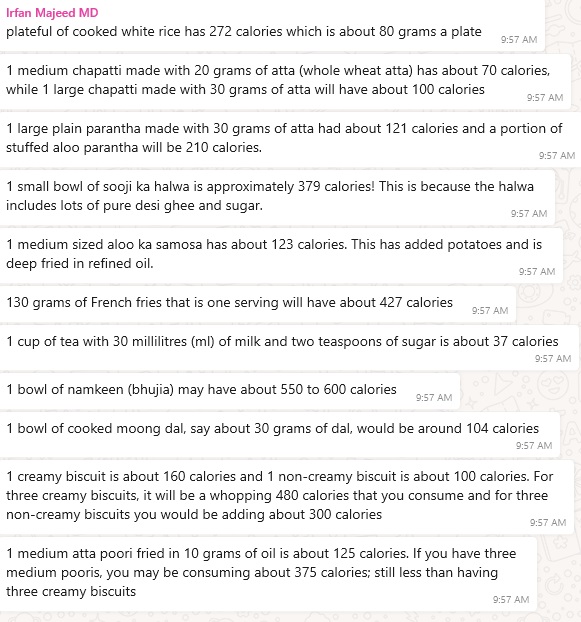
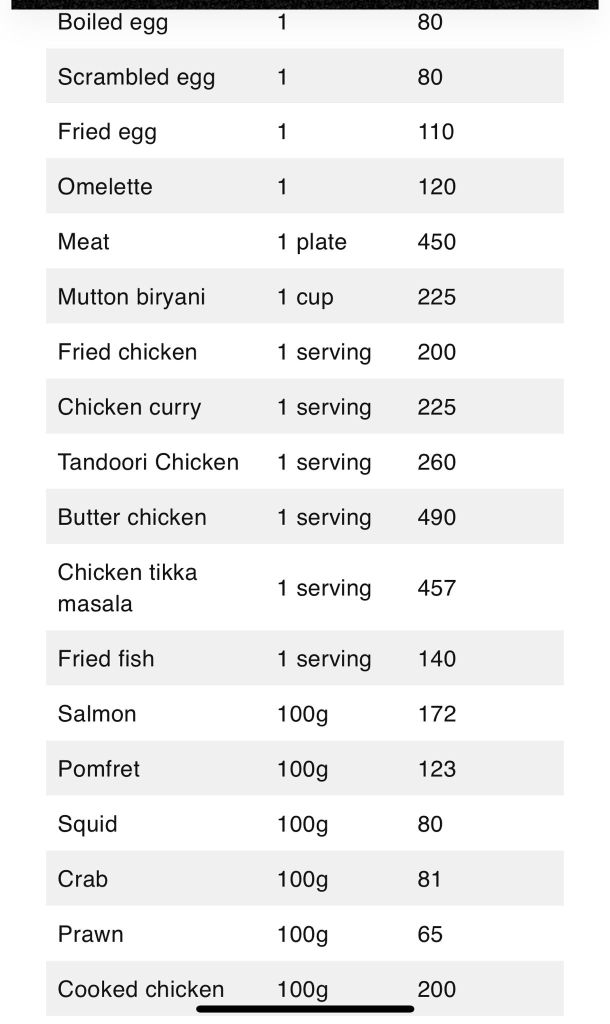
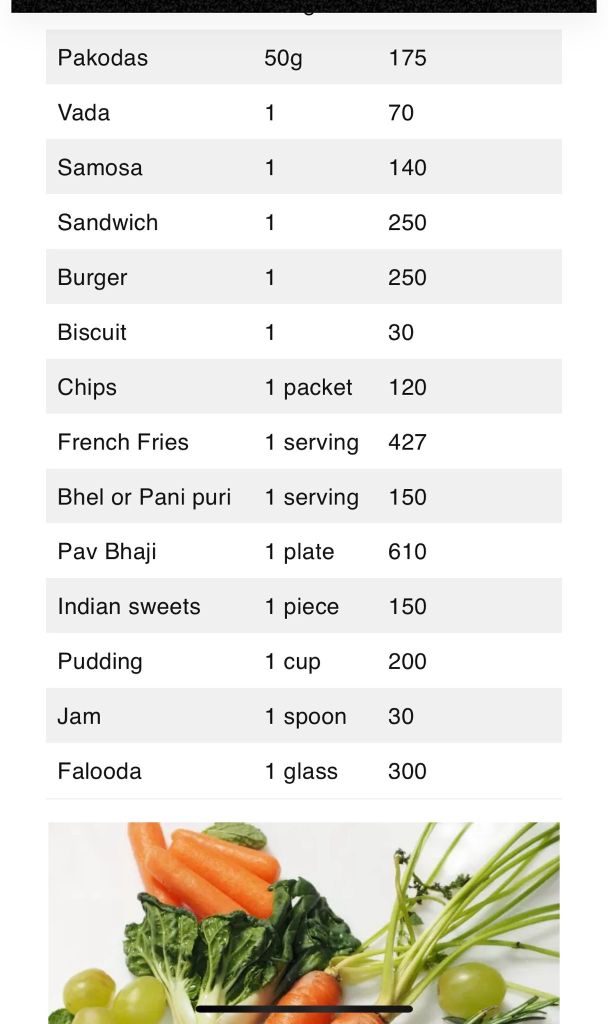

Collected by Dr. Irfan Majeed MD and A.Wiq Haider MD
By Amin H. Karim MD
Heart health apps typically target the most common types of CVD, including arrhythmia, heart failure, and coronary heart disease. However, there is a general lack of scientific evidence for the usability and clinical potential of heart apps. They can be useful for the patient to monitor at home and give them an incentive to maintain their heart health.
Some popular heart apps include:
CardioVisual: This app is educational in nature. It has shareable videos with a wide variety of content aimed at both clinicians and patients. It allows connectivity for coordination of care.
Heart Failure Storylines: This app from the Heart Failure Society of America is a tool patients can use to track daily vitals, medications, symptoms, and more, and share it with their care team.
Instant Heart Rate: This app uses the camera phone to measure heart rate through the fingertips. It graphs results and can provide printable reports patients can share with you. Its accuracy has led to partnerships with entities such as University of California San Francisco.
KardiaMobile: This app pairs a smartphone with the FDA-cleared KardiaMobile device. It takes an instant EKG and can detect common arrhythmias, including atrial fibrillation. Data can be tracked over time and shared with the patient’s care team.
Qardio: This app works exclusively with Qardio devices to track heart health information, such as heart rate and blood pressure. It is shareable and can pair with smartwatches.
Smart Blood Pressure: This app replaces a written journal for tracking blood pressure, pulse, and weight. It can sync with Apple Health or Google Fit and provide shareable reports.
 GlobeMedic