Interrupting Anticoagulants for Surgery: Guidelines, Risk Stratification, and Clinical Decision-Making.
Raya Kharboutli PA-S2 University of Texas Medical Branch
Regina Medina Urrutia Universidad Anahuac Campus Xalapa
Anticoagulants are a class of medications used to prevent and treat thromboembolic events such as stroke, deep vein thrombosis, and pulmonary embolism. These agents are divided into two main categories: antiplatelet agents and anticoagulants that inhibit coagulation factors. Understanding their mechanisms of action is critical for making safe perioperative decisions.
Antiplatelet agents like aspirin irreversibly inhibit cyclooxygenase (COX-1), preventing the production of thromboxane A₂, a molecule essential for platelet activation. As a result, platelet aggregation is impaired for the lifespan of the platelet, which is approximately 7-9 days (1). Clopidogrel, a P2Y12 receptor inhibitor, irreversibly blocks ADP receptors on the platelet surface, further preventing platelet activation and aggregation. Following discontinuation, platelet function typically returns to baseline within about 5 days (2). Warfarin is a vitamin K antagonist that works by inhibiting vitamin K epoxide reductase, an enzyme required for the activation of clotting factors II, VII, IX, and X. Warfarin has a delayed onset of action, with therapeutic anticoagulation typically achieved within 2 to 3 days. Monitoring is performed using International Normalized Ratio (INR), and full reversal of anticoagulant effect takes approximately 3 to 5 days. This process can be expedited with the administration of vitamin K (3). Direct oral anticoagulants (DOACs) are a newer class of medications with more predictable pharmacokinetics. These include factor Xa inhibitors such as apixaban, rivaroxaban, and edoxaban, which inhibit factor Xa, thereby blocking the conversion of prothrombin to thrombin. Additionally, dabigatran is a direct thrombin inhibitor (Factor IIa), which prevents the conversion of fibrinogen to fibrin, the final step in clot formation (4).
The type of anticoagulant used plays an important role in how far in advance it should be discontinued:
Warfarin should usually be stopped 5 days before surgery to allow the INR to return to a safe range (usually <1.5) (11).
Direct oral anticoagulants (DOACs) like apixaban, rivaroxaban, dabigatran, and edoxaban are usually suspended 24–72 hours before surgery, depending on the bleeding risk of the procedure and the patient’s kidney function. For example, dabigatran is mostly eliminated by the kidneys, so patients with renal impairment need to stop it even earlier (11).
This classification and understanding of mechanisms provide a foundation for evaluating how and when these agents should be temporarily discontinued prior to surgical or invasive procedures, based on the individual agent, patient thrombotic risk, and the bleeding risk associated with the procedure
Interrupting anticoagulation before a procedure is often necessary to reduce the risk of excessive bleeding during or after surgery. Anticoagulants and antiplatelet agents impair the body’s ability to form clots, which is beneficial for preventing thrombosis but can lead to significant complications when tissue trauma or vascular injury is expected. The decision to pause these medications is a balance between two major risks: bleeding and thrombosis. For procedures with a high bleeding risk, such as major surgeries, spinal or epidural anesthesia, and certain endoscopic or urologic procedures, continued anticoagulation can increase the chance of uncontrolled bleeding, hematoma formation, or the need for transfusions (5). On the other hand, abruptly stopping antithrombotic therapy, especially in high-risk patients (such as those with recent stroke, atrial fibrillation, or coronary stents), may raise the risk of life-threatening thromboembolic events (7). Therefore, clinicians must evaluate the type of anticoagulant, the patient’s thrombotic risk, and the bleeding risk of the procedure to determine the safest perioperative plan. In many cases, temporary interruption with or without bridging therapy allows for safe procedural outcomes while minimizing harm from both bleeding and clot formation (6).
In cardiology, several invasive procedures carry moderate to high bleeding risk and typically require temporary interruption of anticoagulant or antiplatelet therapy. The decision depends on the type of medication, the procedure’s bleeding risk, and the patient’s thromboembolic risk. For cardiac surgery, such as coronary artery bypass grafting (CABG) or valve replacement, both antiplatelet agents and anticoagulants are usually interrupted. Aspirin is often continued unless bleeding risk is very high but clopidogrel is typically discontinued at least 5-7 days before surgery to minimize perioperative bleeding (8). Warfarin is usually stopped 5 days prior, aiming for an INR of less than 1.5 on the day of the surgery. In patients at high thromboembolic risk such as mechanical valve or atrial fibrillation with prior stroke, bridging with low molecular weight heparin (LMWH) may be considered. Direct oral anticoagulants are typically held for 2-3 days before major cardiac surgery, with the exact timing depending on renal function.
For pacemaker or implantable cardioverter-defibrillator (ICD) insertion, the bleeding risk is considered moderate. Aspirin may be continued in most cases, but clopidogrel should be stopped 5-7 days prior, especially if dual antiplatelet therapy is not mandatory at the time. DOACs are commonly interrupted 24-48 hours before the procedure, depending on renal function and Warfarin is often continued at a therapeutic INR for minor device procedures, but only interrupted in high-bleeding-risk cases (9). Percutaneous coronary intervention (PCI) presents a unique challenge, especially in patients already on dual antiplatelet therapy (DAPT). These procedures are rarely elective if DAPT is indicated. If non-urgent PCI must be delayed, clopidogrel is held 5-7 days and DOACs for 48-72 hours prior (10).
Ultimately, the goal is to minimize both bleeding and thrombotic complications by tailoring medication interruption based on the procedure type, medication half-life, and patient risk factors.
The management of patients going under anesthesia for surgery is a really common challenge due to the decision to suspend or not the anticoagulants the patients are on. Many protocols can be followed to help make the decision. One of these protocols is to evaluate both the risk of bleeding and thromboembolism, and it’s important to know the dosage of the anticoagulant and the reasons why the patient is taking the specific anticoagulant.
First of all, the risk of bleeding needs to be estimated. One way is the HAS-BLEED score, which will assess the following risk factors such as hypertension, abnormal liver or renal functions, stroke, bleeding, labile INRs, elderly patients (>65 years), and the use of drugs or alcohol. The second step is to estimate the thromboembolic risk, and to do that, age and comorbidities need to be evaluated (12). If the patient has had a recent event of DVT or PE, the decision is based on the diagnosis, but in this scenario, the surgery is delayed as much as possible. Once the two important risks are evaluated, the duration to interrupt the anticoagulant is going to depend on which medication the patient is on. If the patient has low kidney or liver function, we might need additional consideration. In general, almost every procedure, the anticoagulant must be suspended if the risk of bleeding or high thrombotic risk, but if the risk is low isn’t necessarily necessary to stop the medication (12).
There are really selected procedures where we can keep using the anticoagulant, like in a dental extraction, skin biopsy, or a cataract surgery, but also in a procedure like a cardiac implant electronic device, it’s not necessary to stop taking them. The ERHA states that if the patient is going to be under the implantation of a cardiac electronic device like a pacemaker, the patient should continue the anticoagulant perioperatively (13). Unless the patient has a risk of a thromboembolic event and is under warfarin or DOCAs, the medication should be suspended temporarily. In the case of any endovascular procedures like an angioplasty, a meta-analysis randomly shows that patients who were under warfarin and didn’t interrupt while undergoing the procedure were associated with lower risks of complications compared with those who interrupted the warfarin perioperatively (11).
In patients with high thrombotic risk, it may be necessary to use bridging therapy with low-molecular-weight heparin (LMWH) during the time the oral anticoagulant is stopped. However, the BRIDGE trial showed that bridging in patients with non-valvular atrial fibrillation and moderate thrombotic risk increased the risk of bleeding without significantly reducing thromboembolic events (14). Therefore, bridging should only be considered in selected high-risk patients.
When using spinal or epidural anesthesia, anticoagulants increase the risk of spinal hematoma, which can cause permanent paralysis. According to the American Society of Regional Anesthesia (ASRA), anticoagulants such as DOACs should be stopped at least 72 hours before any neuraxial procedures, and specific guidelines should be followed for restarting the medication (15).
Individual characteristics such as renal or liver function, age, history of bleeding, and the use of other medications like antiplatelet agents or NSAIDs, must also be considered when deciding whether to stop anticoagulants before surgery (11).Restarting anticoagulants too soon can lead to postoperative bleeding, while delaying them too long can cause thromboembolism. In general, anticoagulants can be restarted 24–48 hours after surgery if bleeding is under control and the patient is stable (11).
References:
Haut, E. R., Pronovost, P. J., & Owings, J. T. (2016). Thromboembolic complications in trauma patients. Trauma Surgery & Acute Care Open, 1(1), e000022. https://doi.org/10.1136/tsaco-2015-000022
Pannucci, C. J., & Dresher, M. (2017). Postoperative venous thromboembolism: Risk factors and prevention. International Journal of Environmental Research and Public Health, 14(3), 301. https://doi.org/10.3390/ijerph14030301
Hirsh, J., Guyatt, G., Albers, G. W., Harrington, R., & Schünemann, H. J. (2008). Antithrombotic and thrombolytic therapy: American College of Chest Physicians evidence-based clinical practice guidelines (8th edition). Circulation, 107, 1692–1700. https://doi.org/10.1161/01.CIR.0000063575.17904.4E
Guyatt, G. H., Akl, E. A., Hirsh, J., Crowther, M., Gutterman, D. D., & Schünemann, H. J. (2022). American College of Chest Physicians Antithrombotic Guidelines. Chest, 161(5), 1272–1302. https://doi.org/10.1016/j.chest.2022.01.032
Nasser, M., Jaffer, A. K., Milani, R. V., & Lavie, C. J. (2021). Perioperative management of anticoagulants in patients undergoing elective procedures. Perioperative Medicine, 10(1), 1–9. https://doi.org/10.1186/s13741-020-00170-4
Kakar, T. S., Elbaroni, M., & Kang, N. (2020). Bridging anticoagulation therapy in patients undergoing procedures: A literature review. Cardiology Research, 11(5), 328–334. https://doi.org/10.14740/cr1110
Douketis, J. D., Spyropoulos, A. C., Duncan, J., Carrier, M., Le Gal, G., & Tafur, A. J. (2021). Perioperative management of anticoagulant and antiplatelet therapy. Thrombosis Journal, 19(1), 29. https://doi.org/10.1186/s12959-021-00279-6
Douketis, J. D., Spyropoulos, A. C., Kaatz, S., Becker, R. C., Caprini, J. A., Dunn, A. S., … & Schulman, S. (2015). Perioperative bridging anticoagulation in patients with atrial fibrillation. New England Journal of Medicine, 373(9), 823–833. https://doi.org/10.1056/NEJMoa1302946
Kaicker, J., Mokrzycki, M. H., & Salvador, D. (2024). Bleeding risk assessment and anticoagulant management during surgery. PubMed. https://pubmed.ncbi.nlm.nih.gov/38320132/
Heidbuchel, H., Verhamme, P., Alings, M., Antz, M., Hacke, W., Oldgren, J., … & Lip, G. Y. H. (2015). Updated European Heart Rhythm Association practical guide on the use of non-vitamin K antagonist anticoagulants in patients with non-valvular atrial fibrillation. Europace, 17(10), 1467–1507. https://doi.org/10.1093/europace/euv309
Macedo, A. F., Bell, J., McCarron, C., & Fahey, T. (2018). Interventions to improve appropriate prescribing of anticoagulants in atrial fibrillation: A systematic review. BMC Cardiovascular Disorders, 18(1), 24. https://doi.org/10.1186/s12872-018-0762-1
Sarai Anayansi Zárate Chávez Universidad Anáhuac campus Oaxaca
Juan Pablo García Guzmán Universidad Anáhuac Mexico campus Norte
Amin H. Karim MD Institute of Academic Medicine, Houston, Texas Weill Medical College of Cornell University.
What Is a Blood Clot? A blood clot also referred to as a thrombus (plural: thrombi), intravascular clot, or coagulum is a gelatinous or semi-solid mass of coagulated blood that forms within the circulatory system. When such a clot develops in the deep venous system, most commonly in the lower limbs, it is termed deep vein thrombosis (DVT), although it can also occur in the upper extremities. A major complication of DVT is embolization, in which one or more thrombi detach and travel through the venous circulation often originating in the legs, pelvis, or groin and reach the pulmonary arteries, leading to a pulmonary embolism (PE). This condition can be life-threatening and requires immediate medical intervention. Thrombus Formation and Intracardiac Clot Dynamics A thrombus also referred to as a clot, blood clot, embolus (when mobile), or thromboembolus (when causing obstruction) is the result of a complex interaction between endothelial injury, abnormal blood flow (stasis or turbulence), and a hypercoagulable state, often summarized by Virchow’s triad. In the setting of acute vascular injury, particularly in acute coronary syndrome (ACS), clot formation begins with platelet adhesion to exposed subendothelial proteins at sites of plaque rupture or erosion. Once adhered, platelets become activated, change shape, and release a variety of pro-thrombotic substances including thromboxane A2, ADP, and serotonin, promoting further platelet activation and local vasoconstriction. The surface expression of glycoprotein IIb/IIIa receptors increases, facilitating platelet aggregation through fibrinogen bridging. Concurrently, the coagulation cascade is triggered, leading to thrombin generation. Thrombin amplifies platelet activation and converts fibrinogen into fibrin, which stabilizes the growing thrombus. As fibrin is laid down, a stable platelet-fibrin thrombus forms, which may partially or completely obstruct the vessel. If embolized, fragments of the thrombus may lodge downstream, causing ischemia or infarction. Intracardiac thrombi form under somewhat different circumstances, often related to blood stasis or structural heart disease. In the left ventricle, thrombi can arise after anterior myocardial infarction, especially with regional wall motion abnormalities such as apical akinesis or dyskinesis. In non-ischemic dilated cardiomyopathy, the risk is lower but still present, particularly when left ventricular ejection fraction is severely reduced. The left atrium, particularly the left atrial appendage, is a common site for thrombus formation in patients with atrial fibrillation, atrial flutter, or significant mitral valve disease. Even in sinus rhythm, atrial mechanical dysfunction—as in cardiac amyloidosis—can predispose to thrombus formation. On the right side of the heart, thrombi may form in cases of central venous catheters, intracardiac devices, severe right ventricular dysfunction, or hypercoagulable states. Additionally, mechanical prosthetic valves, especially with inadequate anticoagulation, are a high-risk source of thrombus formation and systemic embolism. Paradoxical embolism can occur in the presence of a patent foramen ovale (PFO) or atrial septal defect (ASD), where venous thrombi bypass the pulmonary circulation and enter the systemic arterial system through a right-to-left intracardiac shunt.
Diagnosis: Tests The main diagnostic tests for detecting thrombi in the left ventricle are transthoracic echocardiography (TTE) and cardiac magnetic resonance imaging (CMRI) with delayed gadolinium enhancement. TTE is the most used initial technique due to its availability and low cost: however, its sensitivity is limited (approximately 21-35%), although its specificity is high (95-98%). The use of intravenous contrast agents in TTE improves sensitivity (up to 64%) without losing specificity. Transthoracic echocardiography has been utilized for identifying left ventricular thrombi since the early 1980s. In recent years, the introduction of echocardiographic contrast agents has improved detections accuracy, particularly in patients with suboptimal acoustic windows. TTE remains the initial diagnostic modality of choice for evaluating left ventricular thrombus. However, its limitations such as difficulty imaging patients with poor acoustic windows, can lead to considerable interobserver variability, potentially compromising diagnostic reliability. Cardiac magnetic resonance offers a diagnostic edge over echocardiography by allowing both myocardial tissue characterization and dynamic imaging. With recent advancements in imaging sequences and the use of paramagnetic contrast agents to enhance blood pool visualization, late gadolinium enhancement CMR may offer superior sensitivity for detecting left ventricular thrombi. Recent epidemiologic tests have provided that the incidence of left ventricular thrombus, using optimal imaging modalities, can reach up to 15% in patients with ST segment elevation myocardial infarction and up to 25% in those with anterior myocardial infarction. Although a standard transthoracic echocardiogram is frequently used for initial screening, its low sensitivity in detecting left ventricular thrombus requires the use of contrast (when not contraindicated) and/or cardiac MRI when there is a high pretest probability. Transesophageal echocardiography does not provide advantages for visualizing the ventricular apex and is not recommended as a second-line method for ventricular thrombi. The first study that was able to compare the diagnostic accuracies of CMRI, contrast TTE and noncontrast TTE was performed by Weinsaft et al. That demonstrated that even with administration of echocardiographic contrast agents, CMRI was still considerably more accurate modality in terms of thrombus detection. CMR with late gadolinium enhancement is the gold standard, with a sensitivity of 82-88% and specificity of 99-100%, as it allows differentiation of the thrombus (avascular without enhancement) from the surrounding myocardium. It is especially recommended when TTE (even with contrast) is not diagnostic or clinical suspicion persists. Cardiac computed tomography can incidentally detect thrombi, but it is not validated for this purpose Precise detection of left ventricular thrombi is crucial, as it frequently guides the initiation of anticoagulation therapy to reduce the risk of embolic complications. While current guidelines suggest that starting anticoagulation may be reasonable in patients with strong suspicion of thrombus such as those with apical akinesis or dyskinesis even without visible thrombus, selecting the most appropriate imaging modality is essential to ensure timely and evidence-based therapeutic decisions.
Complications The main complications of thrombi in the left ventricle are systemic embolic events, especially ischemic stroke and peripheral arterial embolisms. Embolization occurs because the thrombus can detach and migrate into systemic circulation, affecting organs such as the brain, kidneys, spleen, or extremities. The risk of embolization is particularly high in the first few weeks after an acute myocardial infarction and can reach up to 22% depending on the morphology and follow up of the thrombus. The incidence of systemic embolic events in patients with left ventricular thrombi varies depending on the population and clinical context. In patients with acute myocardial infarction (AMI), the incidence of left ventricular thrombus is 3.5% to 7.1% after previous AMI when cardiac magnetic resonance imaging is used, and the incidence of systemic embolism (including stroke) in the presence of thrombus is between 7% and 16% in the first few years after the event, with an annualized risk of 3.7% compared to 0.8% in patients without left ventricular thrombus. Other relevant complications include major adverse cardiovascular events (MACE), which include death, reinfarction, and hospitalization for heart failure. The presence of left ventricular thrombus is associated with a significant increase in mortality and long-term adverse cardiovascular events. In addition, patients with persistent thrombus are at increased risk of bleeding, especially if they require prolonged anticoagulation. The American Heart Association emphasizes that complete thrombus resolution is associated with lower mortality, while thrombus persistence, especially if mural and organized, carries a lower but not zero risk of embolization. The patient groups with the highest incidence of complications associated with thrombi in the left ventricle are mainly those with extensive acute myocardial infarction (AMI), especially anterior AMI, patients with ventricular aneurysm, and those with reduced left ventricular ejection fraction (LVEF). In addition, patients with dilated cardiomyopathy, either ischemic or non-ischemic, particularly those with severe systolic dysfunction, also have an elevated risk of embolic complications and major cardiovascular events. In the context of non-ischemic cardiomyopathy, patients with dilated cardiomyopathy show an even higher risk of systemic embolism compared to other non-ischemic etiologies and ischemic heart disease. The presence of mobile or protruding thrombi increases the risk of embolization, while thrombus persistence is associated with higher mortality and adverse events. The American Heart Association points out that the combination of anterior AMI, low LVEF, ventricular aneurysm, and delayed reperfusion are factors that identify patients at higher risk of embolic complications and mortality associated with thrombi in the left ventricle. The factors that increase the risk of thrombus formation in the left ventricle vary depending on the patient group, but they share pathophysiological mechanisms based on Virchow’s triad: ventricular dysfunction (stasis), endocardial damage, and inflammation/hypercoagulability. In patients with extensive acute myocardial infarction (AMI), especially anterior AMI, the highest risk factors are anterior location of the infarction, presence of ventricular aneurysm, left ventricular ejection fraction (LVEF) <30-40%, larger infarction size (elevated troponins), delayed reperfusion, and suboptimal coronary flow after intervention. The combination of reduced LVEF and segmental dysfunction (particularly apical) is the main predictor of thrombus and embolic complications or major cardiovascular events in all these groups. Systemic inflammation (elevated CRP) and the use of certain antithrombotic drugs may also contribute
Managment Management of left Heart Thrombi (RHT) The cornrstone of managment for intracardiac thrombus, particularly left ventricular thrombus, is therapeutic anticoagulantion. This strategy aims to reduce the risk of systemic embolism and promote trhombus resolution. Anticoagulation should be initiated promptly upon diagnosis, typically with intravenous unfractionated heparin, low molecular weight heparin, or a direct oral anticoagulant (DOAC). Transition to oral therapy with either warfarin or a DOAC is the recommended available evidence suggests that anticoagulation significantly lowers embolic risk and increases the likelihood of thrombus resolution compared to no or subtherapeutic treatment. In particular, a higher time in therapeutic range with warfarin is associated with superior outcomes and appears to outweigh the bleeding risks, even in the presence of concurrent antiplatelet therapy. The standard duration of anticoagulation is a minimum of three months.
Follow-up cardiac imaging, ideally using the same modality employed at diagnosis, should be performed at that point to assess thrombus resolution. If the thrombus persists without notable change, anticoagulation should be continued with periodic reassessment. In cases where the thrombus has decreased in size or displays features consistent with chronicity and reduced embolic potential, the decision to continue therapy should be based on ongoing embolic risk, such as persistent left ventricular dysfunction, aneurysm formation, or spontaneous echocardiographic contrast. If both the thrombus and contributing risk factors have resolved, evidenced by normalization of systolic function and absence of additional indications for anticoagulation, discontinuation of therapy may be appropriate. For patients who develop LVT in the context of prior MI (≥3 months) or chronic ischemic cardiomyopathy, no randomized controlled data exist to guide treatment duration. Nonetheless, anticoagulation for a period of 3 to 6 months is generally recommended. Beyond that, extended or indefinite therapy should be considered on a case-by-case basis, incorporating individual thrombotic and bleeding risks, recovery of ventricular function, and patient preferences through shared decision- making.
Management of Right Heart Thrombi (RHT) Right heart thrombi (RHT) are rare but potentially life-threatening findings, often associated with pulmonary embolism (PE) and right ventricular dysfunction. The management of RHT remains a clinical challenge due to the lack of randomized controlled trials and standardized treatment guidelines. However, observational studies and registry data suggest that anticoagulation alone is often insufficient, especially in cases involving mobile or serpiginous thrombi with high embolic potential. Initial management typically includes systemic anticoagulation with intravenous unfractionated heparin or low molecular weight heparin. This serves as a bridge to definitive therapy and may be appropriate in hemodynamically stable patients with non-mobile thrombi or contraindications to more aggressive interventions. For patients with mobile RHT or hemodynamic compromise, reperfusion strategies are generally preferred. Systemic thrombolysis has demonstrated lower mortality rates compared to anticoagulation alone, but carries a notable risk of major bleeding, including intracranial hemorrhage. Surgical embolectomy is another option, particularly in patients with contraindications to thrombolysis or when thrombi are large, organized, or entangled in cardiac structures. Catheter-directed therapies, including percutaneous aspiration thrombectomy (e.g., AngioVac, FlowTriever, AlphaVac), have gained attention as minimally invasive alternatives. These techniques allow for rapid thrombus removal with high success rates and a lower bleeding profile compared to systemic thrombolysis. Early outcomes are promising, although data remain limited and long-term efficacy has not been firmly established. Ultimately, the choice of therapy should be guided by thrombus characteristics (size, mobility, morphology), patient stability, comorbidities, bleeding risk, and institutional expertise. In general, mobile RHTs or those associated with acute PE warrant urgent intervention beyond anticoagulation alone. Multidisciplinary decision making often involving cardiology, critical care, interventional radiology, and cardiothoracic surgery is essential for optimizing outcomes.
Prevention Intracardiac thrombus formation is a recognized complication in patients with heart failure and reduced ejection fraction, particularly in those with non-ischemic dilated cardiomyopathy (DCM). Although left ventricular (LV) thrombi are more frequently documented, thrombi may also develop in the right heart chambers, especially in the presence of right-sided dysfunction, central venous catheters, cardiac devices, or systemic hypercoagulable states. The use of antithrombotic therapy for primary prevention of thrombus formation in this population remains a subject of ongoing clinical judgment. In patients with DCM who are in sinus rhythm and without prior thromboembolic events, neither aspirin nor warfarin has consistently demonstrated clear benefit in preventing thrombus formation or reducing major adverse cardiovascular events. Therefore, routine prophylactic use of these agents is generally not recommended. However, individualized assessment is essential, especially when additional risk factors such as atrial fibrillation, prior embolic events, severely reduced ejection fraction, or left ventricular aneurysms are present. In select subtypes of DCM that carry a higher inherent risk of intracardiac thrombus such as Takotsubo syndrome with apical ballooning, left ventricular noncompaction, peripartum cardiomyopathy, eosinophilic myocarditis, and infiltrative diseases like cardiac amyloidosis the use of oral anticoagulants (e.g., warfarin) or parenteral agents may be considered on a case-by-case basis. In contrast, low-dose aspirin may offer some theoretical antiplatelet benefit, but its role in thrombus prevention remains less defined. Long-term anticoagulation may be appropriate for patients with persistent ventricular dysfunction or recurrent thromboembolic risk, provided the bleeding risk is acceptable.
Bibliografia link Mathevosian, S., & Ranade, M. (2022). Right Heart Clot-in-Transit: Endovascular Therapies. Seminars in interventional radiology, 39(5), 515–522. https://doi.org/10.1055/s-0042-1757942 Sakellariou, X. M., Efstathopoulos, A., Stamatis, K. V., Nikas, D. N., & Kolettis, T. M. (2020). Treatment of Mobile Right Heart Thrombi. European journal of case reports in internal medicine, 7(12), 001918. https://doi.org/10.12890/2020_001918 Patel, A. N., Amrutiya, R. J., Manvar, B. N., & Patel, A. (2022). A proposed approach for the management of clot-in-transit. Cureus, 14(8). Lawrence LK Leung, M. D. (2025). Overview of hemostasis. https://shorturl.at/hkxsH Levine, G. N., McEvoy, J. W., Fang, J. C., Ibeh, C., McCarthy, C. P., Misra, A., Shah, Z. I., Shenoy, C., Spinler, S. A., Vallurupalli, S., Lip, G. Y. H., on behalf of the American Heart Association Council on Clinical Cardiology, Council on Cardiovascular and Stroke Nursing, & and, S. C. (2022). Management of patients at risk for and with left ventricular thrombus: A scientific statement from the american heart association. Circulation, 146(15), e205–e223. 10.1161/CIR.0000000000001092 Warren J Manning, M. D. (2024). Echocardiography in detection of cardiac and aortic sources of systemic embolism. https://shorturl.at/mR7gN Watson, N. W., Weinberg, I., Dicks, A. B., Carroll, B. J., & Secemsky, E. A. (2024). Clinical outcomes and predictors of advanced therapy for the management of right heart thrombus. Circulation: Cardiovascular Interventions, 17(4), e013637. 10.1161/CIRCINTERVENTIONS.123.013637
Wilson S Colucci, M. D., & Gregory YH Lip, MD, FRCPE, FESC, FACC. (2025). Left ventricular thrombus. https://shorturl.at/Zf9oO Kleindorfer, D. O., Towfighi, A., Chaturvedi, S., Cockroft, K. M., Gutierrez, J., Lombardi-Hill, D., Kamel, H., Kernan, W. N., Kittner, S. J., Leira, E. C., Lennon, O., Meschia, J. F., Nguyen, T. N., Pollak, P. M., Santangeli, P., Sharrief, A. Z., Smith, S. C., Jr, Turan, T. N., & Williams, L. S. (2021). 2021 guideline for the prevention of stroke in patients with stroke and transient ischemic attack: A guideline from the American heart association/American stroke association. Stroke; a Journal of Cerebral Circulation, 52(7), e364–e467. https://doi.org/10.1161/STR.0000000000000375 Levine, G. N., McEvoy, J. W., Fang, J. C., Ibeh, C., McCarthy, C. P., Misra, A., Shah, Z. I., Shenoy, C., Spinler, S. A., Vallurupalli, S., Lip, G. Y. H., & American Heart Association Council on Clinical Cardiology; Council on Cardiovascular and Stroke Nursing; and Stroke Council. (2022). Management of patients at risk for and with left ventricular thrombus: A scientific statement from the American Heart Association. Circulation, 146(15), e205–e223. https://doi.org/10.1161/CIR.0000000000001092 Camaj, A., Fuster, V., Giustino, G., Bienstock, S. W., Sternheim, D., Mehran, R., Dangas, G. D., Kini, A., Sharma, S. K., Halperin, J., Dweck, M. R., & Goldman, M. E. (2022). Left ventricular thrombus following acute myocardial infarction: JACC state-of-the-art review. Journal of the American College of Cardiology, 79(10), 1010–1022. https://doi.org/10.1016/j.jacc.2022.01.011
Sharma, N. D., McCullough, P. A., Philbin, E. F., & Weaver, W. D. (2000). Left ventricular thrombus and subsequent thromboembolism in patients with severe systolic dysfunction. Chest, 117(2), 314–320. https://doi.org/10.1378/chest.117.2.314 Ram, P., Shah, M., Sirinvaravong, N., Lo, K. B., Patil, S., Patel, B., Tripathi, B., Garg, L., & Figueredo, V. (2018). Left ventricular thrombosis in acute anterior myocardial infarction: Evaluation of hospital mortality, thromboembolism, and bleeding. Clinical Cardiology, 41(10), 1289–1296. https://doi.org/10.1002/clc.23039 Albaeni, A., Chatila, K., Beydoun, H. A., Beydoun, M. A., Morsy, M., & Khalife, W. I. (2020). In-hospital left ventricular thrombus following ST-elevation myocardial infarction. International Journal of Cardiology, 299, 1–6. https://doi.org/10.1016/j.ijcard.2019.07.070
Dr. Pakeeza Saif King Edward Medical College, Lahore, Pakistan
Amin H. Karim MD Houston Methodist Academic Institute and Weill Medical College of
Dear Dentist: My Murmur Doesn’t Need Meds Anymore!
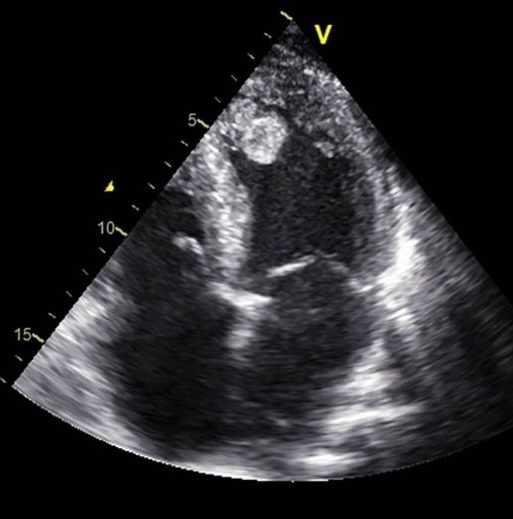
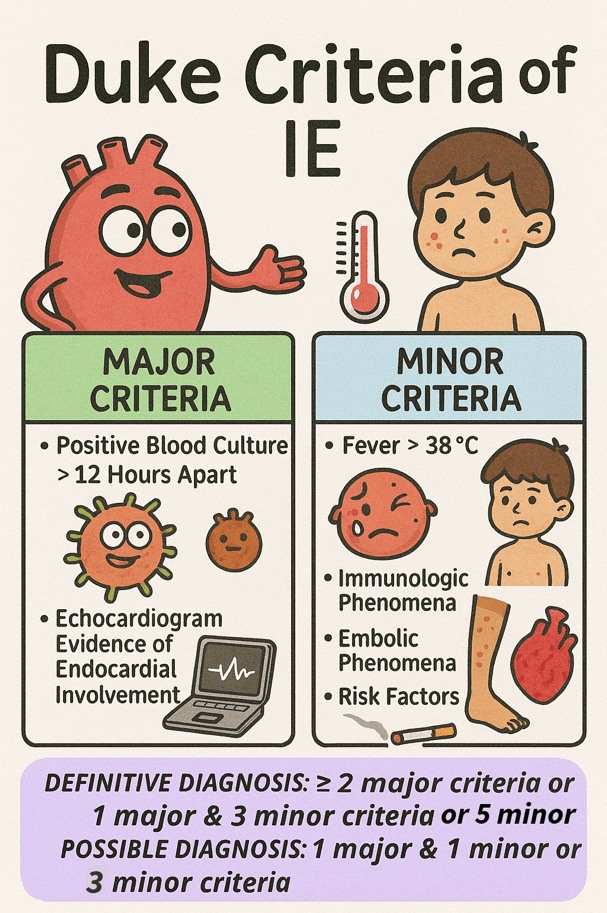
Infective endocarditis (IE) is a serious infection of the heart’s inner lining, affecting 3 to 10 people per 100,000 annually. It carries a significant risk, with mortality reaching up to 30% within the first 30 days 1 . Staphylococcus aureus was the most frequently identified pathogen, accounting for 31% of cases. The mitral valve was the most commonly affected, involved in forty-one percent of infections, while the aortic valve was affected in thirty-eight percent of cases 2. The diagnosis of IE is primarily clinical and is based on the modified Duke criteria, which include a combination of major and minor clinical, microbiological, and echocardiographic findings.
Guntheroth et al. observed that bacteremia was present in 40% of 2,403 cases following tooth extraction, 38% of individuals during routine mastication, and 11% of those with oral sepsis in the absence of any dental intervention 3. This issue has long concerned both dentists and cardiologists, driven in part by a preference for commission bias—favoring action over inaction—when considering prophylactic antibiotic use.
American Heart Association revised the guidelines on infective endocarditis prophylaxis in 2007 (full guidelines available at http://circ.ahajournals.org ) to promote the judicious use of antibiotics, particularly in clinical scenarios where the anticipated benefits are outweighed by the risks, such as the emergence of antibiotic resistance and the potential for adverse drug reactions. The present revised document was not based on the results of a single study but rather on the collective body of evidence published in numerous studies over the past two decades. The following points were used as a rationale by AHA for updating the guideline4.
IE is much more likely to result from frequent exposure to random bacteremia associated with daily activities such as chewing food, tooth brushing, flossing, use of toothpicks, use of water irrigation devices, and other activities than from bacteremia caused by a dental, gastrointestinal (GI) tract or genitourinary (GU) tract procedure.
Prophylaxis prevents only an exceedingly small number of cases of IE, if any, in individuals who undergo a dental, GI tract, or GU tract procedure.
The risk of antibiotic-associated adverse events exceeds the benefit, if any, from prophylactic antibiotic therapy except in very high-risk situations.
Maintenance of optimal oral health and hygiene may reduce the incidence of bacteremia from daily activities and thus the risk of IE and is more important than the use of prophylactic antibiotics for dental procedures 4.
Several studies have demonstrated that the lifetime risk of infective endocarditis (IE) varies significantly depending on the underlying cardiac condition. In the general population without known heart disease, the risk is approximately 5 cases per 100,000 patient-years. Patients with rheumatic heart disease (RHD) face a substantially higher risk, ranging from 380 to 440 cases per 100,000 patient-years, which is comparable to the risk observed in individuals with mechanical or bioprosthetic heart valves (308 to 383 cases per 100,000 patient-years)5 .
The greatest risks are observed in the following groups:
630 cases per 100,000 patient-years following cardiac valve replacement for native valve IE
740 cases per 100,000 patient-years in patients with a history of previous IE
2,160 cases per 100,000 patient-years in patients undergoing prosthetic valve replacement due to prosthetic valve endocarditis
These variations in risk highlight the importance of tailoring preventive measures to individual patient profiles.
Further research indicates that even with perfect effectiveness, antibiotic prophylaxis would prevent only a negligible number of infective endocarditis cases—given that the estimated absolute risk after a dental procedure is about 1 in 1.1 million for mitral valve prolapse, 1 in 475 000 for congenital heart disease, 1 in 142 000 for rheumatic heart disease, 1 in 114 000 for prosthetic heart valves, and 1 in 95 000 for those with a history of endocarditis67 .
Cardiac Conditions Associated with the Highest Risk of Adverse Outcome from Endocarditis for Which Prophylaxis Is Reasonable
Prosthetic cardiac valve or prosthetic material used for cardiac valve repair
Previous Infective Endocarditis
Cardiac transplantation recipients who develop cardiac valvulopathy
Congenital heart disease (CHD)
Unrepaired cyanotic CHD, including palliative shunts and conduits
Completely repaired congenital heart defect with prosthetic material or device, whether placed by surgery or by catheter intervention, during the first 6 months after the procedure
Repaired CHD with residual defects at the site or adjacent to the site of a prosthetic patch or prosthetic device.
Guidelines also clearly stated that antibiotic prophylaxis is no longer recommended for any other form of congenital heart disease which explicitly includesheart murmurs, valvular regurgitation, or stenosis without prosthetic material or prior endocarditis 4.
Dental procedures that involve manipulation of gingival tissue or the periapical region of teeth or perforation of the oral mucosa
Respiratory tract procedure with incision and biopsy such as tonsillectomy and adenoidectomy
Gastrointestinal or genitourinary procedures in setting of active infection
Surgery on infected skin, skin structure, or musculoskeletal tissue
Low-Risk Procedures Not Requiring Antibiotic Prophylaxis
Gastrointestinal or Genitourinary procedure in the absence of infection
Most Vaginal deliveries or Caesarian deliveries
Left atrial appendage occlusion device placement (e.g., Watchman) in the absence of infection — associated with a very low incidence of infective endocarditis, with long-term studies showing no device-related infections over extended follow-up. A single center, 14 year study of 181 patients found no device-related infections over more than 500 patient years of follow up8 .
Stable cardiac implantable electronic devices (CIEDs) such as pacemakers and ICDs — antibiotic prophylaxis is not recommended for dental or mucosal procedures solely due to the presence of a CIED in the absence of other high-risk cardiac conditions9 .
Atrial septal defect (ASD) closure devices beyond 6 months post-implantation — prophylaxis is not indicated once the device is fully endothelialized and no residual shunt remains10 .
First line: 2 g amoxicillin orally (or 50 mg/kg kids) 30–60 minutes before the procedure.
If allergic to penicillin, 600 mg clindamycin orally (or 20 mg/kg kids).
Alternatives include 500 mg azithromycin or clarithromycin orally (15 mg/kg kids)
If you can’t take pills, get 2 g ampicillin IM/IV (or 50 mg/kg kids)
Considering rising antimicrobial resistance and the potential for Clostridioides difficile infection linked to antibiotic use, it is advised against relying on the outdated “better safe than sorry” approach to prophylactic antibiotic use, as it may cause more harm than benefit to patients.
References
1. Mostaghim AS, Lo HYA, Khardori N. A retrospective epidemiologic study to define risk factors, microbiology, and clinical outcomes of infective endocarditis in a large tertiary-care teaching hospital. SAGE Open Med. 2017;5. doi:10.1177/2050312117741772
2. Murdoch DR. Clinical Presentation, Etiology, and Outcome of Infective Endocarditis in the 21st Century. Arch Intern Med. 2009;169(5):463. doi:10.1001/archinternmed.2008.603
3. Guntheroth WG. How important are dental procedures as a cause of infective endocarditis? Am J Cardiol. 1984;54(7):797-801. doi:10.1016/S0002-9149(84)80211-8
4. Wilson W, Taubert KA, Gewitz M, et al. Prevention of Infective Endocarditis. Circulation. 2007;116(15):1736-1754. doi:10.1161/CIRCULATIONAHA.106.183095
5. Steckelberg JM; WWR. Risk factors for infective endocarditis. Infectious disease clinics of North America. 1993;7(1):9-19.
6. Pallasch TJ, Wahl MJ. Focal infection: new age or ancient history? Endod Topics. 2003;4(1):32-45. doi:10.1034/j.1601-1546.2003.00002.x
7. Pallasch TJ. Antibiotic prophylaxis: problems in paradise. Dent Clin North Am. 2003;47(4):665-679. doi:10.1016/S0011-8532(03)00037-5
8. Ward RC, McGill T, Adel F, et al. Infection Rate and Outcomes of Watchman Devices: Results from a Single-Center 14-Year Experience. Biomed Hub. 2021;6(2):59-62. doi:10.1159/000516400
9. Canpolat U. Tailored antibiotic prophylaxis in patients undergoing CIED implantation: One size does not fit all the principle. Pacing and Clinical Electrophysiology. 2019;42(4):483-483. doi:10.1111/pace.13624
10. Tanabe Y, Sato Y, Izumo M, et al. Endothelialization of an Amplatzer Septal Occluder Device 6 Months Post Implantation: Is This Enough Time? An In Vivo Angioscopic Assessment. Journal of Invasive Cardiology. 2019;31(2). doi:10.25270/jic/18.00206
By Laura Edith Chavez Salas Universidad De Durango, Campus Zacatecas, Mexico
Amin H. Karim, MD Houston Methodist Academic Institute
Low-density lipoprotein (LDL) represents a category of lipoprotein particles responsible for the transport of cholesterol and various lipids within the bloodstream. Often referred to as the “bad” cholesterol, it serves vital purposes. LDL particles serve as the primary carriers of cholesterol to peripheral tissues and consist of cholesteryl esters and triglycerides encased in a phospholipid shell, free cholesterol, and a single molecule of apolipoprotein B-100. Increased levels of LDL are directly associated with the onset of atherosclerotic cardiovascular disease (ASCVD), as LDL particles can penetrate the arterial wall, become retained and altered (for instance, oxidized), and facilitate the development of foam cells and atherosclerotic plaques. (1-4)
LDL exhibits heterogeneity, with subclasses that vary in size and density; smaller, denser LDL particles are deemed more atherogenic compared to their larger, more buoyant counterparts. (3, 5, 6) The cholesterol content within LDL particles is quantified as LDL cholesterol (LDL-C), which serves as a conventional marker for evaluating and managing cardiovascular risk. (7) Nevertheless, the quantity of LDL particles (LDL-P) and the concentration of apolipoprotein B (apoB) may offer further risk stratification, particularly in individuals with metabolic syndrome or diabetes, as discrepancies between LDL-C and LDL-P can arise. (8) Evaluation of ASCVD risk can be evaluated by assessing both LDL-C and LDL-P, asserting that the reduction of LDL—primarily through the use of statins and other lipid-lowering treatments—leads to a decrease in cardiovascular events. (4)
DANGERS OF VERY LOW LDL
However, an LDL-lowering regimen can lead to ultra-low-density lipoprotein cholesterol (LDL-C) levels. These are typically defined as <40–50 mg/dL, and especially <30 mg/dL. These levels are generally well tolerated and associated with a reduced risk of atherosclerotic cardiovascular disease (ASCVD), but several potential dangers have been identified. (9) Mechanistically, very low LDL-C may impair endothelial integrity and platelet function. This could potentially increase bleeding risk, especially for intracranial and gastrointestinal hemorrhage. (10, 11)
The most observed danger of ultra-low LDL is a possible hemorrhagic stroke and other bleeding events, particularly at LDL-C levels below 40 mg/dL, as supported by mechanistic and clinical data. Observational studies and meta-analyses have also reported a U-shaped relationship between LDL-C and all-cause mortality, with both very low (<50 mg/dL) and high (≥130 mg/dL) LDL-C levels associated with increased mortality in certain populations, such as those with coronary artery disease. (15)
There is also some evidence suggesting a potential association between ultra-low LDL-C and increased risk of new-onset diabetes mellitus, particularly with statin therapy. Leading to more complications, there is a possible link to cataract formation and glaucoma, though causality remains unproven and the absolute risk is low. (11, 14)
The main dangers of ultra-low LDL-C are a possible increased risk of hemorrhagic stroke, new-onset diabetes, and, less consistently, all-cause mortality in specific populations. However, for most high-risk patients, the cardiovascular benefits of aggressive LDL-C lowering outweigh these potential risks. (9-14)
HIGH-RISK PATIENTS
Patients at highest risk for complications associated with very low levels of low-density lipoprotein cholesterol (LDL-C) are:
• Individuals with a prior history of hemorrhagic stroke:
The American Stroke Association notes that the risk of hemorrhagic stroke with statin therapy is small and nonsignificant in those without prior cerebrovascular disease, but patients with a history of hemorrhagic stroke may be at increased risk, and lipid lowering in this group requires individualized consideration and further study. (16)
• Patients with poorly controlled hypertension and very low LDL-C:
There is literature that indicates that the combination of very low LDL-C (especially ≤40 mg/dL) and uncontrolled hypertension substantially increases the risk of both ischemic and hemorrhagic stroke. Although this risk is particularly more prevalent in East Asian populations, it is relevant globally. (17)
• Women with LDL-C <70 mg/dL:
There is evidence from long-term cohort studies in women that has shown that LDL-C <70 mg/dL is associated with a more than twofold increased risk of hemorrhagic stroke compared to LDL-C 100–129.9 mg/dL, independent of other risk factors. Meaning that women with no other risk factors have more risk than males with no other risk factors. (18)
• Patients on intensive statin therapy or with other risk factors for diabetes: Statin therapy, especially at high intensity, is associated with a modestly increased risk of new-onset diabetes. Particularly in those with predisposing factors such as metabolic syndrome or impaired fasting glucose. (11)
Risks associated with having ultra-low LDL-C are more prevalent in populations most at risk, which are those with prior hemorrhagic stroke, poorly controlled hypertension, women, and individuals with multiple vascular risk factors or on intensive lipid-lowering therapy.
REFERENCES
Orlova, E V et al. “Three-dimensional structure of low density lipoproteins by electron cryomicroscopy.” Proceedings of the National Academy of Sciences of the United States of America vol. 96,15 (1999): 8420-5. doi:10.1073/pnas.96.15.8420
Rhainds, D, and L Brissette. “Low density lipoprotein uptake: holoparticle and cholesteryl ester selective uptake.” The international journal of biochemistry & cell biology vol. 31,9 (1999): 915-31. doi:10.1016/s1357-2725(99)00046-1
Qiao, Ya-Nan et al. “Low-density lipoprotein particles in atherosclerosis.” Frontiers in physiology vol. 13 931931. 30 Aug. 2022, doi:10.3389/fphys.2022.931931
Maurya, Rupesh et al. “Low density lipoprotein receptor endocytosis in cardiovascular disease and the factors affecting LDL levels.” Progress in molecular biology and translational science vol. 194 (2023): 333-345. doi:10.1016/bs.pmbts.2022.09.010
Ivanova, Ekaterina A et al. “Small Dense Low-Density Lipoprotein as Biomarker for Atherosclerotic Diseases.” Oxidative medicine and cellular longevity vol. 2017 (2017): 1273042. doi:10.1155/2017/1273042
Packard, C et al. “The role of small, dense low density lipoprotein (LDL): a new look.” International journal of cardiology vol. 74 Suppl 1 (2000): S17-22. doi:10.1016/s0167-5273(99)00107-2
Jialal, I, and A T Remaley. “Measurement of low-density lipoprotein cholesterol in assessment and management of cardiovascular disease risk.” Clinical pharmacology and therapeutics vol. 96,1 (2014): 20-2. doi:10.1038/clpt.2014.69
Galimberti, Federica et al. “Apolipoprotein B compared with low-density lipoprotein cholesterol in the atherosclerotic cardiovascular diseases risk assessment.” Pharmacological research vol. 195 (2023): 106873. doi:10.1016/j.phrs.2023.106873
Karagiannis, Angelos D et al. “How low is safe? The frontier of very low (<30 mg/dL) LDL cholesterol.” European heart journal vol. 42,22 (2021): 2154-2169. doi:10.1093/eurheartj/ehaa1080
Siniscalchi, Carmine et al. “Low LDL-Cholesterol and Hemorrhagic Risk: Mechanistic Insights and Clinical Perspectives.” International journal of molecular sciences vol. 26,12 5612. 11 Jun. 2025, doi:10.3390/ijms26125612
Cure, Erkan, and Medine Cumhur Cure. “Emerging risks of lipid-lowering therapy and low LDL levels: implications for eye, brain, and new-onset diabetes.” Lipids in health and disease vol. 24,1 185. 21 May. 2025, doi:10.1186/s12944-025-02606-6
Olsson, A G et al. “Can LDL cholesterol be too low? Possible risks of extremely low levels.” Journal of internal medicine vol. 281,6 (2017): 534-553. doi:10.1111/joim.12614
Rong, Shuang et al. “Association of Low-Density Lipoprotein Cholesterol Levels with More than 20-Year Risk of Cardiovascular and All-Cause Mortality in the General Population.” Journal of the American Heart Association vol. 11,15 (2022): e023690. doi:10.1161/JAHA.121.023690
Faselis, Charles et al. “Is very low LDL-C harmful?.” Current pharmaceutical design vol. 24,31 (2018): 3658-3664. doi:10.2174/1381612824666181008110643
Scudeler, Thiago Luis et al. “Association between low-density lipoprotein cholesterol levels and all-cause mortality in patients with coronary artery disease: a real-world analysis using data from an international network.” Scientific reports vol. 14,1 29201. 25 Nov. 2024, doi:10.1038/s41598-024-80578-w
Goldstein, Larry B., et al. “Aggressive LDL-C Lowering and the Brain: Impact on Risk for Dementia and Hemorrhagic Stroke: A Scientific Statement From the American Heart Association.” Arteriosclerosis Thrombosis and Vascular Biology, vol. 43, no. 10, Sept. 2023, https://doi.org/10.1161/atv.0000000000000164.
Wu, Zhijun et al. “The risk of ischemic stroke and hemorrhagic stroke in Chinese adults with low-density lipoprotein cholesterol concentrations < 70 mg/dL.” BMC medicine vol. 19,1 142. 16 Jun. 2021, doi:10.1186/s12916-021-02014-4
Rist, Pamela M et al. “Lipid levels and the risk of hemorrhagic stroke among women.” Neurology vol. 92,19 (2019): e2286-e2294. doi:10.1212/WNL.0000000000007454
By Dr. Arnav Kumar MD, MSCR Interventional Cardiologist HCA Medical Center Hospital Houston, Texas
87 year old extremely pleasant, active woman was sent to us for complex LM PCI . She has distal left main 70% disease, ostial LAD 70% disease, calcific 90% disease of the proximal high Obtuse marginal artery and 99% Proximal LCX disease.
The left main itself is very long and anomalous. We anticipated challenge in delivering equipments across the retrofelxed LCX. Additionally, she has distal RCA disease . She was felt to be too high risk for CABG due to advanced age We were able to cross the ostial LAD – lesion using a sion blue wire. We were able to cross the high OM lesion using a minamo wire.
Crossing the 99% very calcified proximal left circumflex lesion proved challenging. However, we were able to cross it using Fielder XT.
Retroflexed LCX, anomalous long LM have high risk of stent dislodgment left main dissection and wire dislodgement.
The plan was to do double cush- however, no stent would go across the LCX lesion. We first pre dilated LM, LAD, LCX, ON lesions. We did encounter challenges in delivering balloons into LCX. After Predilation, we placed a stent in the OM and crushed it with a ballon placed in LM-LCX. However we faced extreme difficulty in placing stent in the LCX-LM. Finally, we had to take out both the OM and the LAD wire and were successful in delivering the stent across the LXC lesion using guideliner support (advancing the guideliner in to the LCX). After deploying the stent In the LM-LCX, we post dilated with an NC balloon.
We quickly crossed back into the the LAD – ie switched to a coullote technique..
Final angiograms demonstrated excellent stent expansion, no edge dissection and no geographic miss.
Impella was taken out at the end of the procedure and LFA was perclosed. Patient underwent PCI of RCA two days later and discharged home In great spirits
Extremely retroflexed LCX – showing that all stents started prolapsing- unable to deliver; Had to sacrifice LAD, OM wires to advance a guideliner into the LCX… and hence was able to place a stent into the LCX-LM. However this meant that we had to change to coullote technique; Placed a stent in the LAD – LM
Then simultaneous kissing balloon inflation of the LAD-LM-LCX
By Paulina Maldonado Universidad De Durango, Chihuahua, Mexico Houston, Texas. Amin H. Karim MD Baylor College of Medicine and Methodist Institute of Academic Medicine, Houston, Texas
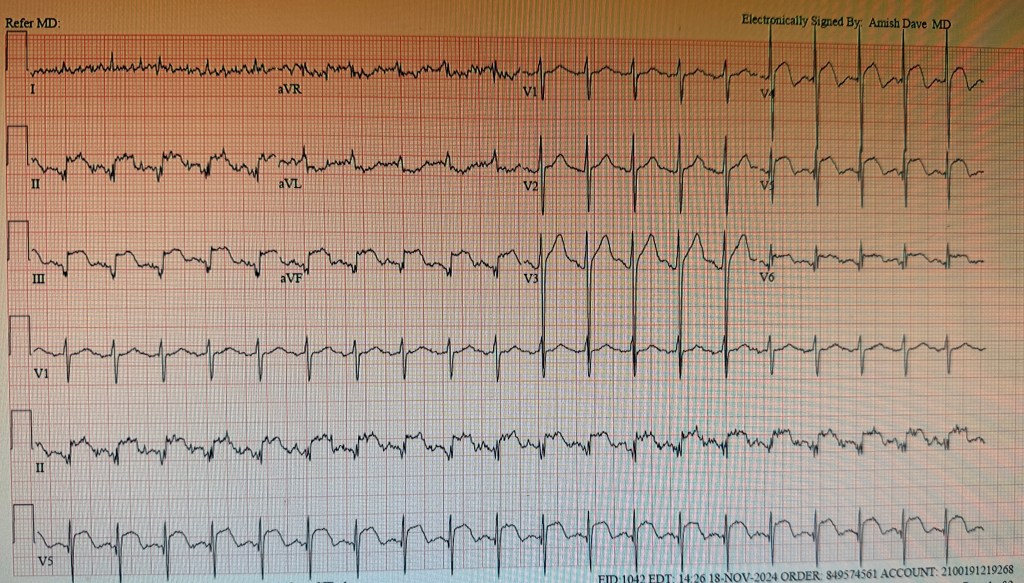
A 65 year old patient presented, disabled from old cerebro vascular accident causing flaccid left sided hemiplegia with contractures, admitted to hospital for change of mental status; he developed hypotension; EKG showed ST elevation in II, III and aVF as well as V3V4V5 diagnostic of inferior wall myocardial infarction with lateral extension.
He was rushed to the cath lab where cardiac catheterization showed what looked like “normal coronary arteries”.
His high sensitivity peaked at 1200. He was treated with intravenous heparin and beta blockers; he remained hemodynamically stable and was discharged.
Myocardial Infarction with nonobstructive coronary atherosclerosis
Although the occurrence was initially reported about 80 years ago a very small number of patients are found to have MINOCA.
The term MINOCA is reserved for patients with elevated troponin associated with myocardial ischemia at presentation and should not include disorders with non ischemic elevated troponin.
It is important to mention and reiterate that MINOCA should not be considered a final diagnosis but rather a working one that requires further testing.
Epidemiology
The incidence of MINOCA varied from 1% to 15% and roughly 6% of all Acute Myocardial Infarction cases.
Younger (18-55)
Female
lower prevalence of hyperlipidemia
⅓ presented with ST segment elevation of myocardial infarction
Pathogenesis:
MINOCA is heterogenous and can be divided into coronary, cardiac and extra cardiac causes. Ischemia happens during a temporary suspension of blood flow to the myocardium and it takes place in the epicardial arteries or the microvasculature.
Coronary
Cardiac
Extra cardiac
plaque rupture or erosion
Myocarditis
stroke
coronary spasm
Takotsubo syndrome
pulmonary embolism
spontaneous coronary artery dissection
cardiomyopathies
sepsis
coronary embolization
cardiac trauma
renal failure
coronary microvascular disorders
tachyarrhythmias
hypoxemia
Risk factors:
Associated with Long term major adverse cardiovascular events after MINOCA including ST segment elevation on a presenting Electrocardiogram
older age
reduced left ventricular ejection fraction
diabetes mellitus
hypertension
tobacco use
prior Myocardial infarction
Stroke
peripheral artery disease
chronic obstructive pulmonary disease
chronic kidney disease
lower total cholesterol
Peak troponin
Depression at the time of MINOCA
Signs and Symptoms:
Chest pain/chest pressure / chest heaviness
Nausea
jaw, neck or upper back pain
pain or pressure in the lower chest or upper abdomen
shortness of breath
fainting
indigestion
fatigue
Diagnostics:
Requires a comprehensive diagnostic workup. Is the first line diagnostic tool to detect non obstructive epicardial coronary arteries (less than 50% stenosis) in the setting of an Myocardial Infarction.
Imagining modalities are vital in diagnosing and identifying the underlying mechanisms of MINOCA.
Coronary intravascular imaging
With Intravascular Ultrasound 40% cases and Optical Coherence Tomography 50% cases is essential to diagnose plaque disruption.
It should be performed at the time of coronary angiography for Acute Myocardial Infarction in all 3 major epicardial arteries.
Cardiac Imaging
Transthoracic echocardiography used in the assessment of cardiac function after a MINOCA. It can be used in the diagnosis of Takotsubo cardiomyopathy and non ischemic cardiomyopathy specifically to demonstrate recovery of left ventricular function.
Transesophageal echocardiography can be used when coronary embolism is suspected.
Cardiac Magnetic Resonance Imagining (CMRI) provides a diagnosis in 74-87% of all MINOCA patients.
Subendocardial (or transmural) pattern of myocardial edema, inflammation or fibrosis is suggested of ischemic Myocardial Infarction.
Epicardial pattern is suggestive of non ischemic Myocardial Infarction.
Echocardiogram can be used to diagnose Takotsubo cardiomyopathy and non ischemic cardiomyopathy, but CMRI can only be used to detect myocarditis.
Myocardial perfusion quantification with adenosine or regadenoson can be used to diagnose coronary microvascular dysfunction non invasively.
The timing to perform a CMRI is important; it should be completed as close to the acute myocardial infarction as possible. CMRI carries not only diagnostic value but prognostic value as well.
Multimodality approach
OCT and CMRI together resulted in a diagnosis in 85% of the cases whereas Optical Coherence Tomography alone was only 46% and Cardiac Magnetic Resonance Imagining 74%.
Treatment
It should me customized to the underlying diagnosis:
Meds
Underlying diagnosis
Aspirin and High intensity statins
Plaque disruption
dual antiplatelet therapy by adding ticagrelor for less than 1 month
Plaque disruption not undergoing stenting
Beta blocker and renin angiotensin system inhibitors
left ventricular dysfunction
Long acting calcium channel antagonist (dihydropyridine and nondihydropyridine)
MINOCA patients secondary to epicardial coronary vasospasm
nitrates can be added to calcium channel antagonists
refractory variant angina
antithrombotic agents
coronary embolism or thrombosis
targeted therapies
underlying thrombophilia
conservative management (avoiding increased risk of complications with intervention)
spontaneous coronary artery dissection
Percutaneous coronary intervention
STEMI, cardiogenic shock, ongoing ischemia
aspirin, beta blocker, statin and renin angiotensin system
spontaneous coronary artery dissection (should be assessed based on individual risk factors
antianginal treatment with b blockers, calcium, channel antagonists and ranolazine
Chest pain
MINOCA mimickers
Heart failure
mechanical circulatory support
progressive circulatory failure
resolves in most patients within 2-4 weeks
Myocarditis, but if they develop arrhythmia and persistent cardiac dysfunction medical therapy should be administered.
antivirals and immunosuppressives
underlying etiologies
Prognosis:
Short and long term mortality
At 1 year follow up, MINOCA mortality is 2 to 5%.
Among individuals 65 and older the risk of adverse outcomes is higher 12%
Possible Reinfarction
only occurs in 1.3 to 2.6% of patients at 1 year and 7.1% at 4 years.
Quality of life
Identified factors that increase the risk of Major advance cardiac event:
older age
hypertension
smoking
reduced ejection fraction
chronic obstructive pulmonary disease
elevated creatinine
cancer
elevated CRP
Requires further investigation that may require longer hospitalizations. It is commonly found that Myocardial Infarctions is missed in women due to non classic presentations such as shortness of breath, dizziness, nausea or unusual fatigue. Patients with MINOCA do present with recurrent chest pains without myocardial infarction.
Literature Cited:
Tamis‐Holland, J. E., & Jneid, H. (2018). Myocardial Infarction With Nonobstructive Coronary Arteries (MINOCA): It ‘s Time to Face Reality! Journal Of The American Heart Association, 7(13). https://doi.org/10.1161/jaha.118.009635
Takahashi, J., Onuma, S., Hao, K., Godo, S., Shiroto, T., & Yasuda, S. (2023). Pathophysiology and diagnostic pathway of myocardial infarction with non-obstructive coronary arteries. Journal Of Cardiology, 83(1), 17-24. https://doi.org/10.1016/j.jjcc.2023.07.014
Yildiz, M., Ashokprabhu, N., Shewale, A., Pico, M., Henry, T. D., Quesada, O. (s. f.). Myocardial infarction with non-obstructive coronary arteries (MINOCA). Frontiers In Cardiovascular Medicine, 9. https://doi.org/10.3389/fcvm.2022.1032436
De Oliveira, L. L. H., Correia, V. M., Nicz, P. F. G., Soares, P. R., & Scudeler, T. L. (s. f.). MINOCA: One size fits all? Probably Not—A review of etiology, investigation, and treatment. Journal Of Clinical Medicine, 11(19), 5497. https://doi.org/10.3390/jcm11195497
Talking JSKBT ( jailed semi inflated kissing balloon technique ) We did multiple JSKBTs here. Zameer our Pakistani fellow made these images.
Patient had CP/ NSTEMI in a decent sized town 100 miles away. Which has good sized hospital and interventional cardiologist’s and PCIs / primary etc are done. No CABG onsite. Cardiologist did angio for intervention purposes. Saw the anatomy Calcified distal left main, Ostial/ prox / mid LAD, 90% tight ramus, 90% bifurcation LCX/OM1 and CTO RCA. EF 30% with severe MR ( so even poorer forward flow / and overestimation of the LV function due to MR).
Referred to our surgeon. He said he can ! But very high risk. ( calcified aorta not. Great candidate to put on heart lung bypass / previous EVAR, Poor LV function, ) so referred to one of our colleagues – who said very high risk PCI. Referred back to surgery. Nothing happened. Meanwhile patient having symptoms. So the primary interventional cardiologist from the other city called us. Was going to need 3 to 4 wires with multiple balloons at a time. So needed an 8 French guide so did do single access Impella. Also deliberately took a short JL 3.5 guide ( which obviously has low support ) so we can sit outside this shortish left main and work
LAD was quite retroflex so you can appreciate flipping of hydrophilic coated wire with >120 bend with microcatheter assistance. Later changed to wiggle wire; So onwards LAD was started. Calcified, retroflex and quite some tortuous so IVUS was done after first run of 2.5 pre-dil; Still there was IVUS malfunction in mid autorun so predilated with 3.0 balloon and ReIVUS Heavy more than 270 degrees calcium is there; Further vessel preparation was done with 3.0 IVL all the way upto LMS
This is tight LCX and tight OM1. Kissing balloon inflations and then stent in LCX and JSKBT is OM. Notice 4 wires in there. Pretty good result. OM Latium looks really good. IVUD of LCX stent good. Did POT of the proximal LCX with NC balloon; This is the long 3.0 x 48 synergy xl. Extending from mid LAD to left main and have 3.0 x 15 balloons as JSKBTs in Intermediate and LCX
Couldn’t get the IVUS to distal edge to see if it is dissection or spasm. These new Hi Def boston IVUS shafts are flimsy and you push them and they get bent. Used three different catheters during this long intervention. Cuz it would get stuck in calcium and then either stop working or the shaft get bent. So images look like distal edge dissection. Placed a 2.5 mm shirt stent. Looked good after wards
IVUS from LAD stent back to left main. Had also done a 4.5 x 6 mm short NC balloon POT for left main. ( size mismatch between left main and LAD)
Of course without Impella. Wouldn’t have been able to do these. With occluded RCA and EF 30% with severe MR. I was getting flat line pressures with IVL and Thenleft main stenting with JSKBTs
By Dr. Arnav Kumar MD MSCR Interventional Cardiologist HCA Medical Center, Houston, Texas
Pt was 61 active pt – was sent from another hospital Late presentation STEMI The impella they had placed clotted his right leg. Then he had 23 min code for VFiB arrest – I placed LFA/LFV ECMO bedside. He had right leg ischemia from the prior placed impella. So I and vascular surgery switched to 5.5 impella via left subclavian. So only two options for pci access were either radial or stick the ECMO circuit. Angiogram with 100% LAD and LCX, 99% calcific LM. We preformed ivus guided bifurcation PCI of LM-LAD-LCX after rotational atherectomy of the LM – LAD. Also reconstructed the whole LAD. Was able to do all radial fortunately.
Challenge #1. Here is the baseline angio. The challenge here is wiring the mid LAD. The wire tip shape needed to cross it is different than the one needed to reach it. Our solution – a dual lumen catheter (Sasuke) in the mid LAD which allows us to secure the D2.
Challenge #2. We wired the D1 to secure it during provisional LAD stenting. There is plaque shift +/- thrombus which shuts down the D1 by the time we have treated the mid LAD. Luckily we still had the wire in place – so in goes the Sasuke again. We were able to guarantee that the wires did not end up behind the stent struts.
Challenge #3. We did a proximal POT, pulled the jailed wire, and passed it down the LAD. I did not want to keep working on the Fielder. Note the brief detour into D2. Alas, we ended up with a dissection! After this point the patient started vomiting and the ST were really deep. I felt that the 6 Fr guide was workkng against us. As you can see much of the LAD has shut down. Our solution – intubate, insert Impella, upsize to 7 Fr.
Challenge #4. Here is the groin angio through the 14 Fr Impella sheath. The leg will likely become ischemic during the case- so we put in a retrograde SFA sheath for future ‘external bypass’.
Challenge #5. Our first angio after Impella placement shows clot in the entire LAD!!! 😳😩 I called for Penumbra, but decided to make a pass with an Export while the cath lab was setting up. Surprisingly we were able to ‘uncork’ the LAD.
Challenge #6. The next step is to treat the D2 and optimize the mid LAD stent. There is stent recoil. IVUS showed a fibrotic lesion – we treated this with a cutting balloon and completed the LAD PCI. Or did we…
Challenge #7. The completion angio shows thrombus in the proximal LAD – address it with medications or aspirate? We tried PTCA but it embolized. Well, by this time the Penumbra was set up. We were able to complete the procedure (again!). This is the final coronary angio.
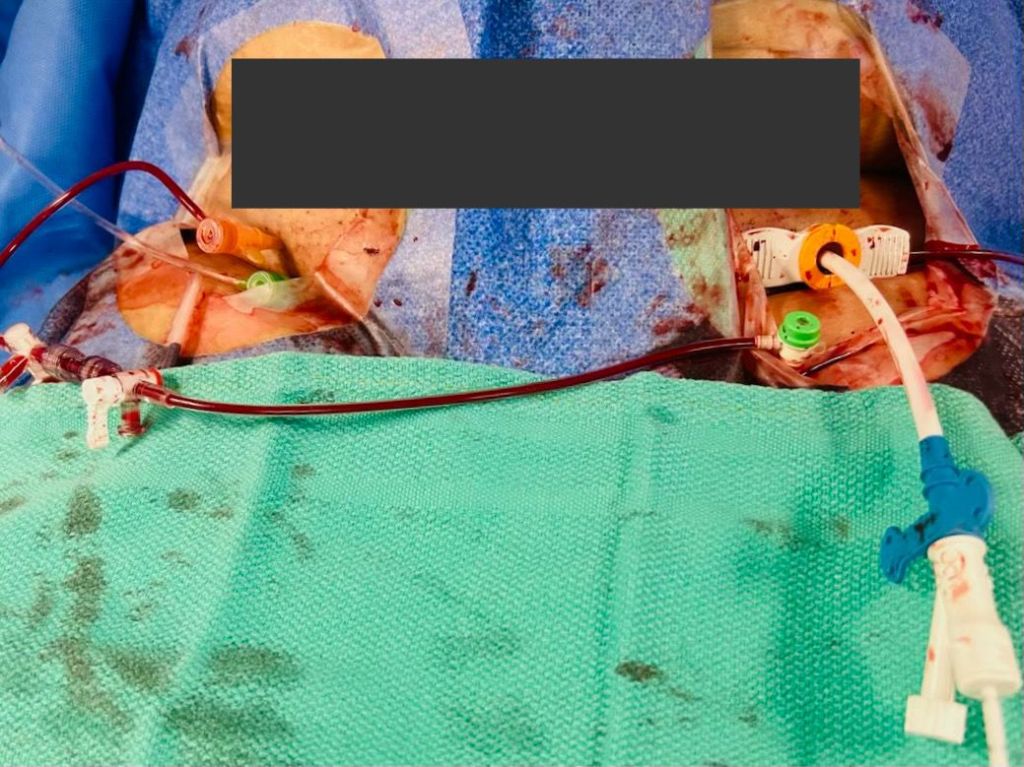
Challenge #8 (No more, I promise): How to keep the leg perfused while the Impella was in place? Here is a clip of the initial angio through the Impella sheath. The third clip is through the SFA sheath (using a micropuncture dilator) after the external bypass has been set up (right CFA -> left SFA). I do this to confirm pulsatility in the occluded leg.
This is what the set up looks like. There are several advantages to doing it this way. The retrograde sheath is easier to insert, doesn’t compromise antegrade flow to the leg, allows you to do an angio to confirm Impella sheath closure (if done), perform internal balloon tamponade on the proximal arteriotomy (if needed) and importantly – makes sure there is no dead zone in the CFA. As a bonus, you can close this with an AngioSeal later if needed.
The End. Question: How would you take out the antegrade sheath? Manual and balloon tamponade the CFA from contralateral? Answer: They are both retrograde. The angio shows it. It looks antegrade because of the body habitus. The typical sequence is: 1) Remove Impella 2) Exchange Impella sheath for new sheath without flushing 3) You may do an angio from the lower (SFA) sheath at this stage. This is optional. 4) Treat the proximal arteriotomy with Manta or double Perclose. 5) Confirm closure with injection through the lower sheath. 5a) Consider balloon tamponade from the lower sheath if needed. 6) Close the lower arteriotomy if the SFA is ‘clean’ – you must use a device. It is too deep for manual hemostasis. 7) Confirm close from the contralateral side.
1) These are recommendations for Impella inserted in an emergency – and expected to stay in for some time. Usually there is no time for Preclose if the patient is crashing. 2) Also, I don’t Preclose unless I know the Impella is coming out within 6-12 hours. 2b) We have left the sutures in longer but management becomes an issue if the CCU stay is prolonged. 3) You don’t have to put a new Impella sheath in. Any 14 Fr sheath will do. 4) The idea is that there may be thrombus in the old sheath – in the space between the sheath and the Impella. 4b) Of course, you can hook it up to pressure to keep it open – but we have had thrombus form despite that too. 5) When the Impella comes out, you can use your favorite method to obtain hemostasis. Double Perclose is just one. 6) Stick the SFA in the cleanest part – avoid being too close to the Impella sheath. You don’t want the lower sheath tip ‘tucked under’ the Impella sheath.
We have left Impellas in upto 5 days with good leg perfusion using this method. The best part is that you can take it out yourself in the cath lab. No need for the OR. Question: SA; trying to understand.. The need for# 6? Why is the SFA stick needed? This is required when the Impella sheath is occlusive in the iliacs or the CFA. In such cases the leg with the Impella becomes ischemic.
One way to prevent this is to gain antegrade access into the CFA or SFA and create an ‘external bypass’. Usually this is done with US guidance and is a little tricky.
Our method makes it wasy because you can stick the SFA without changing the side you are standing on. Also, if you use a roadmap (like we did) you can do it without US. Because there is usually some flow via the profunda: CIA -> IIA -> PFA -> CFA/SFA.
Question: Also, for the SFA are you using an Arrow sheath ? Answer: Yes, always an Arrow sheath. Given the depth of the vessel and the angles involved, you need a braided sheath. Non-braided sheaths will typically soften and kink.










 GlobeMedic