A Patient With Jaundice: An Enigma

By Dr. Aftab Naz

It was 1981. I had finished my residency at Cook County Hospital Chicago 2 years ago & was struggling to find a private practice. Those days were rather difficult to establish a new pediatrics practice as most of the Family practice docs would take care of the kiddos. After working as part time attending physician at Cook county Hospital Chicago with moonlighting here & there, I decided to move to California. In fact a friend of mine Dr M Ashraf, who was already practicing Cardiology in Madera California, invited me to visit the town & take over a small practice which was for sale.

So 43 years ago June 1, 1981 I started my practice. It was slow going but steadily improving. One day an 11 month old girl Maria was brought it with fever & jaundice. Since Hepatitis A was common at that time in the area, I diagnosed her with it & advised routine dietary management. A week later she returned with ascites.

Her liver was failing, so I admitted her in the community hospital & initiated the workup. Her LFT,s were slightly abnormal, bilirubin was about 8 mg/dl & hemoglobin was about 10gram. All other tests were normal. Due to increasing ascites, I transferred to local Children hospital in Fresno

At the children hospital a GI fellow would come twice a month from UCSF San Francisco. He decided to transfer Maria to SFO as her ascites was worsening inspite of treatment with diuretics & whatever else they had.

At UCSF, a liver biopsy was done & found to have nonspecific inflammatory changes. In the next 3 weeks, her ascites got significantly worse. Parents were advised that she had liver failure & she was not going to make it . So they decided to bring her back home to Madera AMA as it was easier to transport a live person than a dead body.

MARIA IN MADERA

By this time about 2 months had passed & patient was really uncomfortable due to increased intra-abdominal pressure. She has persistent cough due to shortness of breath. She was brought back to my office for cough. I advised them that she needs relief of pressure from her abdomen. Parents did not want any heroic measures done as “ she is going to die anyway “. I advised them that “yes. But let her die in peace”.

I called FRESNO children hospital & UCSF & they both refused to take her in as she was terminal anyway. Our local Gastroenterologist & surgeon also had their hand up by saying they were not pediatrics specialists. I asked an old FP how to do an abdominal paracentesis & admitted her in my local hospital.

This was my FIRST & LAST abdominal tap of my life. I took out 700 CC fluid first day & another 300 CC. the next day. She was comfortable & was discharged home.

I saw her in my office a week later. Her abdominal girth was the same as at the time of discharge. A month later her abdominal girth was normal & she was an active happy toddler. At age 16 Maria had splenic infarction & had splenectomy done at our hospital. At age 18 she had her first child & after 3 children she moved out of town & got lost to follow up.

I had been a “PEER” for the family. They sent me so many patients. And my practice flourishes until now thank God. All I did was make her comfortable.

I informed the UCSF about the happy outcome and they asked me to send her back for further biopsy which I did not comply. They were not helpful when I needed them the most. Unfortunately I never thought of getting all the medical records & write it up for a journal. Now our hospital has been closed also. This story is all from my memory.

Aftab Naz–

Evolving Nature of a Complex Bifurcation PCI

By Dr. Salman Arain

85 year old man admitted with CP in setting of HTN. Had has symptoms for a few months. ECG showed ST depression and the EF was 45%. The referring sent him for CABG but the (chief) surgeon was hesitant because the patient is a Jehovah’s witness (can not receive blood), low platelets (85k), and high Cr (1.9)

.

What is your ABC analysis? As a reminder:
A – angiographic analysis,
B – bifurcation strategy,
C – calcium modulation,
D – device (MCS) selection if any, and
E – execution strategy?

Ok, so the resolution of our case…

These were my thoughts going into the case…

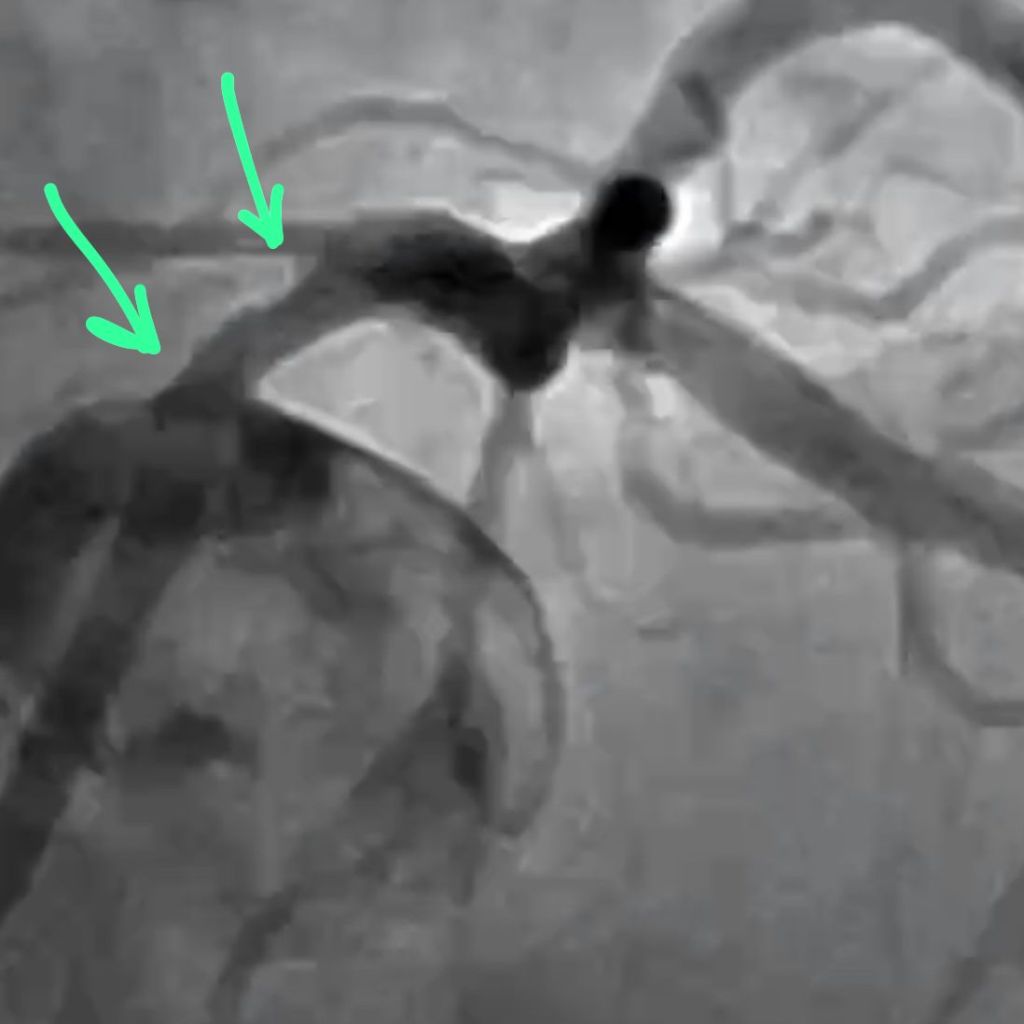
A. Functional last conduit because the RCA is critical. The entire body of the LM is involved. Heavy calcium is an understatement.

B. Medina 1,1,1 – both arteries need to be addressed. Our plan was to perform DK crush.

C. Rota and/or IVL. ‘Relative’ disadvantages to both – Rota will require me to remove the wire from one of the branches. IVL will prolong LM occlusion (= ischemic) time.

D. Definitely Impella supported.

E. Plan – perform RHC for reserve, insert Impella, wire both LAD and LCX, PTCA LM into LAD, IVUS then decide on rota strategy, finish with DK crush. Stage RCA.

We started by doing a RHC. The PA pressures were not too bad (48) and the PA sat was reassuring 58%. We opted for dual access.

We resolved that issue with a TurnPike LP microcatheter. You can drive the MC by torquing it. We knew we were going to fix the LAD with rota so I did a 1.5 mm angioplasty to allow the LAD to breathe while we did IVUS.

With the LAD and LCX fixed, the LM is more manageable now. We opted to finish the T-stent and use IVUS to see if further optimization was needed.Our bifurcation plan rapidly evolved during the case. It was DK crush before the case, mini crush after I put the proximal LCX stent in, and ended up being a T-stent because of how well the stent had landed at the ostium.

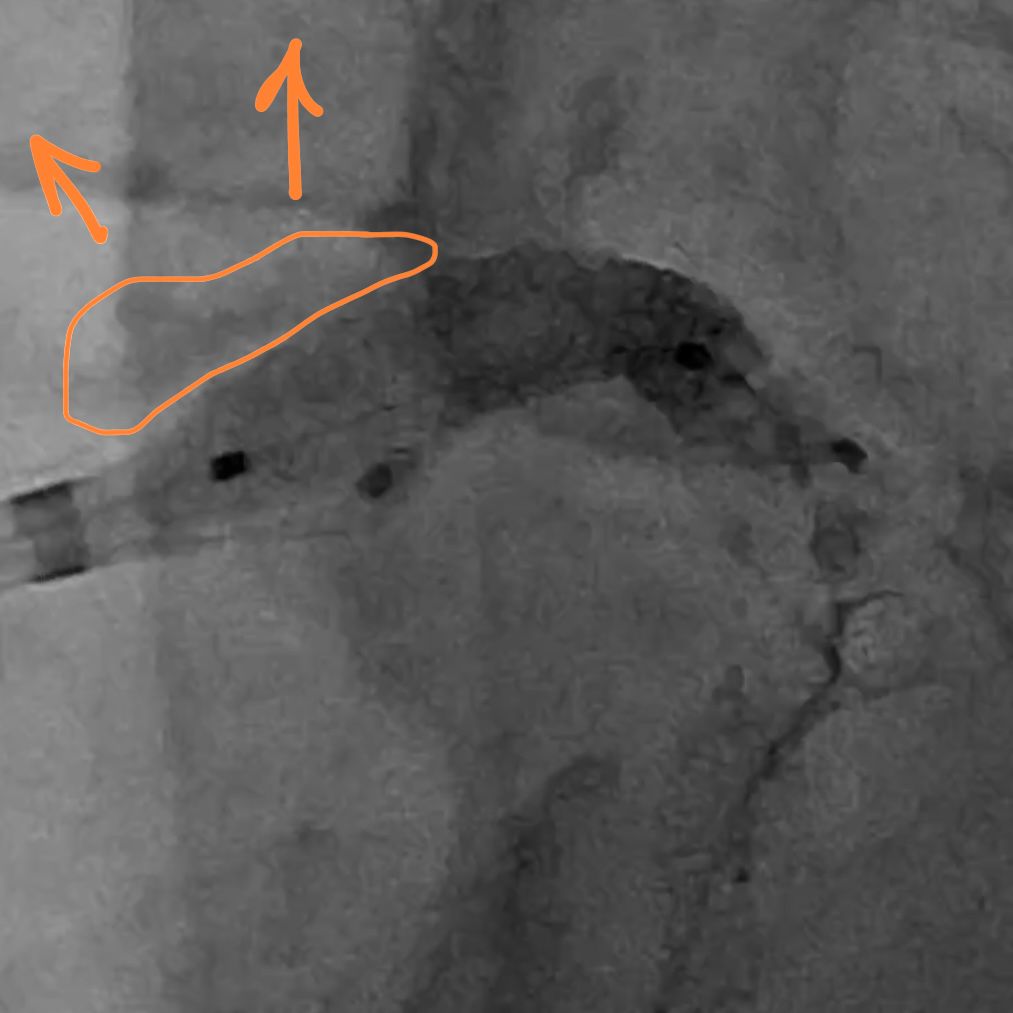
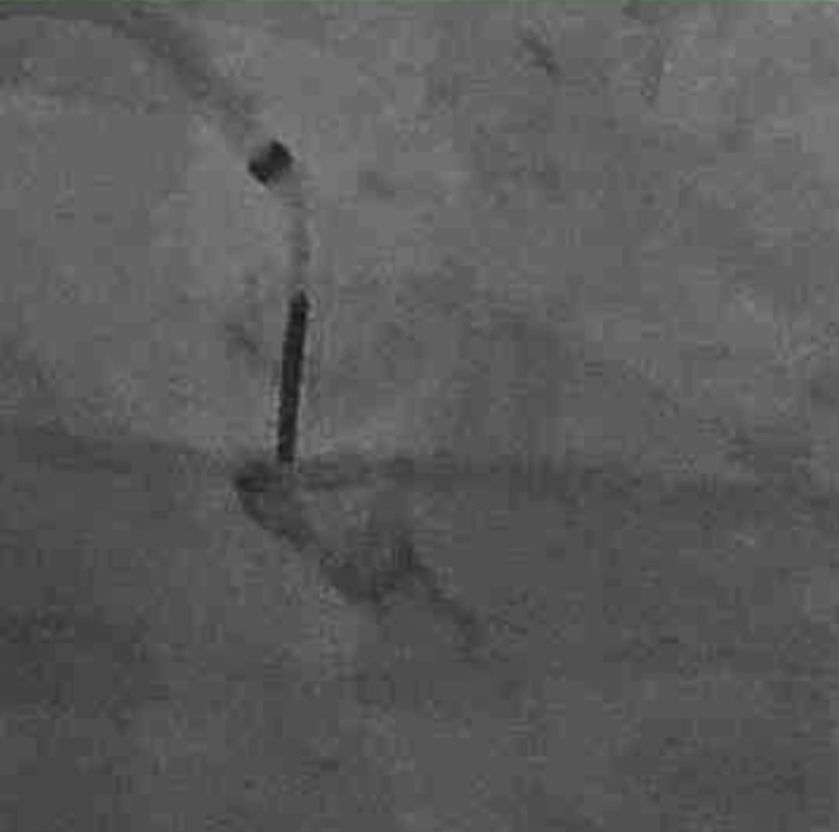
You can see the patient is becoming restless. I think that it was likely from leg ischemia related to the Impella sheath.

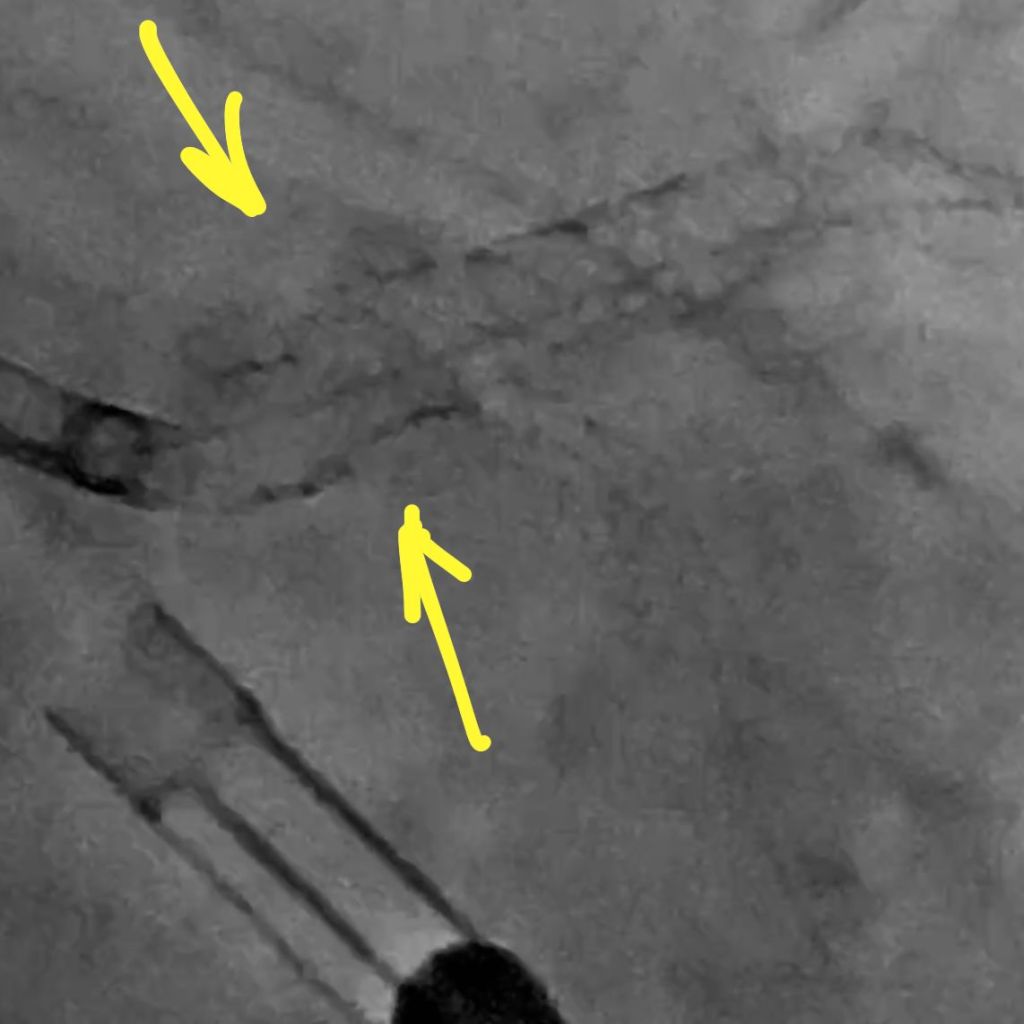
Also, the guide had softened and came out. Note the stent deformation on account of the calcium module at the ostium. There is a recoil after high-pressure NC ballooning.

Here is the CFA after Impella removal. We did not use single access because I wanted to use a 7 French guide without any of the drama. A 7 French sheath is often quite snug in the Impella insertion sheath. The double access also allowed us to ensure that the bleeding at the Impella insertion site had completely stopped before the patient left the Cath Lab. This was on on account of his inability to receive blood being a Jehovah’s witness.

The patient did very well. He was up and about the next day. He did have a mild bump in his creatinine, but we kept him for a few days.

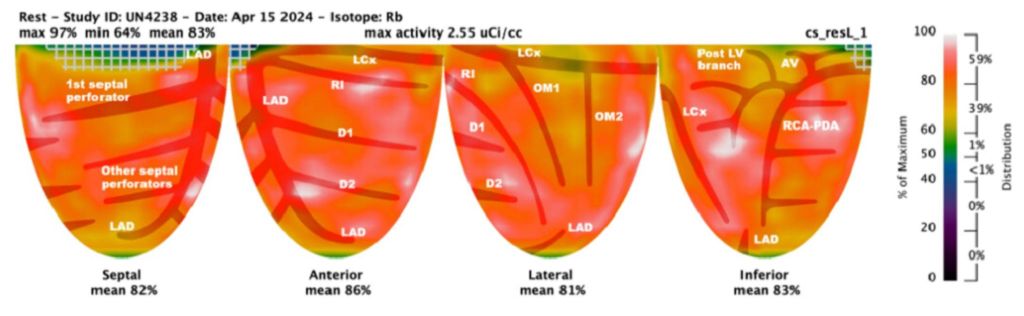
I plan to perform an PET in four weeks and then decide if he needs the RCA fixed. Again, he is an 85 year old who has been doing quite well until now.

The End. 🙏🏼

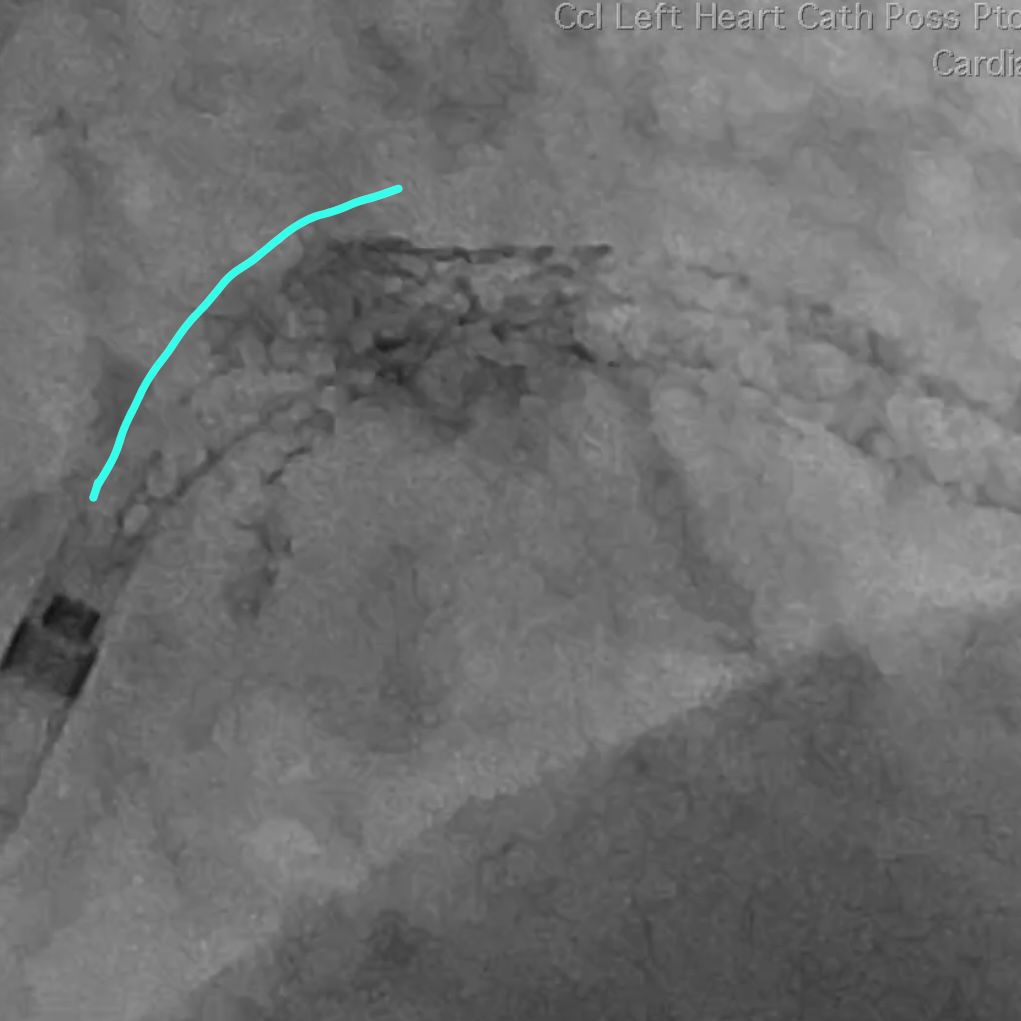
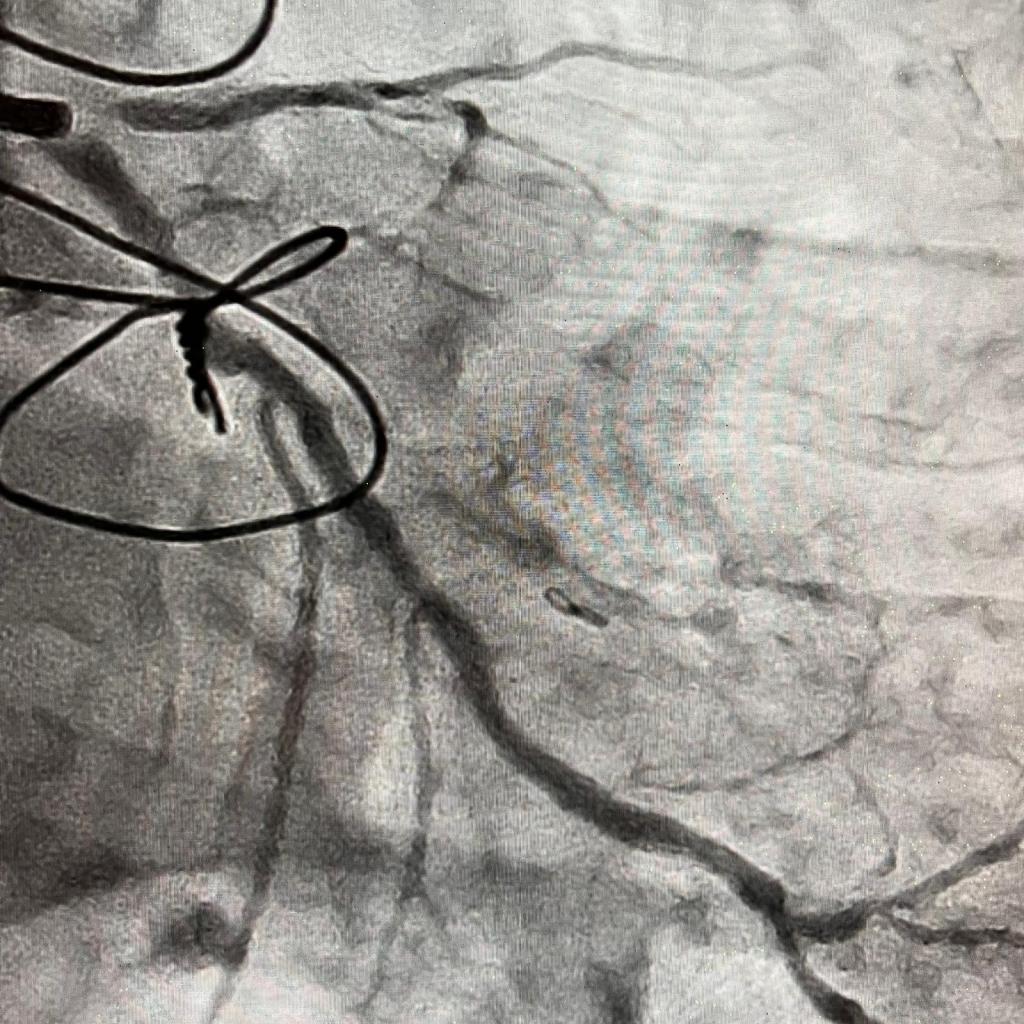
I am going to share a series of still frames that shows the changing morphology of the LM lumen. This is baseline.

Here is the balloon inflation. Note the upward displacement of the nodules.

This is after our aggressive POT. Note the smoother upper curvature.

Failure to Treat Hypertension

Close Case Study

Presentation and physician action

A young man came to his internal medicine physician over several years for various symptom-focused visits. On the majority of these visits the patient’s blood pressure readings were elevated. Two months after his last exam, the patient died suddenly at home. He was 31 years of age. The cause of death was determined to be a complete occlusion of the left anterior descending artery (LAD).

Autopsy findings were inconsistent with hypertensive coronary artery disease, as there was no heart enlargement, dilation of the left ventricle, pitting of the kidney surfaces, or dilation of the aorta. The pathologist did not see any evidence of end-stage organ damage caused by untreated hypertension. The pathologist concluded that the cause of death was from atherosclerotic plaque becoming disrupted and traveling to the LAD, causing occlusion and a fatal arrhythmia.

Both the pathologist and consulting cardiologist agreed this heart attack could not have been prevented since the patient did not suffer from hypertension-induced coronary artery disease.

 The defendant, while providing reasonable episodic care, did not address the patient’s elevated blood pressure. The physician says he instructed the patient to watch his diet, but this was not documented in the records. The physician did not order any lab work or evaluations addressing the hypertension.

Allegations

The patient’s family filed a lawsuit against the physician for failure to diagnose and treat hypertension. It was further alleged that the physician failed to order proper evaluations and lab work and failed to provide the patient with precautions and advice on lifestyle changes. The plaintiffs argued that had the physician treated the patient’s hypertension, it would have prevented the sudden heart attack and death.

Legal implications

The patient came to the physician nine times over an 8-year period for various symptoms. During this time the patient never described any chest pain or dyspnea that would have increased the suspicion of heart disease in such a young patient. However, high blood pressure is a risk factor for heart disease, and the patient’s initial blood pressure reading was 164/110 mm Hg. Although the blood pressure read­ings fluctuated, consultants felt the patient had stage 1 hypertension.

Though most consultants agreed stage 1 hypertension does not require immediate medication, they were critical of the physician’s inaction (not taking repeat read­ings, considering family history of hypertension, documenting in the medical chart discussions of hypertension counseling, conducting lab studies for lipid profiles and other tests).

Most defense consultants agreed that it was a judgment call to treat this young man for borderline hypertension, and the lack of hypertension treatment had no bearing on the sudden MI. However, they all stated that the patient should have been more closely monitored with regular blood pressure checks, diagnostic labs, and counseled on modi­fying diet and lifestyle.

Making this case more difficult to defend was the physician’s admission at deposition that he was not clear on the standard of care in treating hypertension.

Disposition

This case was settled on behalf of the internal medicine physician.

Risk management considerations

Incomplete documentation often hinders the defense of lawsuits. Each patient encoun­ter should include the chief complaint, examination findings and prior diagnostic tests results (if applicable), assessment, clinical impression or diagnosis, and the plan of care. Not only did this physician not support his clinical impression of the patient’s blood pres­sure, the only acknowledgement of the blood pressure readings was a circle around the numbers.

Completed histories are the basis for patient information. It is not unusual to have a pa­tient complete a questionnaire before the appointment as this helps expedite the patient visit; however, reviewing the form and completing areas left blank may provide additional insight. By initialing and dating each page, a physician can provide verification that the information was reviewed.

Some consultants believed that, given the patient’s family history of hypertension, medi­cations should have been started immediately. Most consultants agreed that education on dietary and lifestyle changes was more important the first year. Unfortunately, the patient’s chart supported the plaintiffs’ view that the physician failed to advise the patient of his cardiovascular and hypertension risk factors.

Physicians can make themselves more defensible by obtaining a complete his­tory, documenting each patient encounter, and documenting any education provided to the patient. This assists both the patient in making informed choices and the physician, should the patient allege failure to diagnose and treat.

Search Engines for Researchers

Google is so powerful that it “hides” other search systems from us. We just don’t know the existence of most of them.

Meanwhile, there are still a huge number of excellent searchers in the world who specialize in books, science, other smart information.

Keep a list of sites you never heard of.

http://www.refseek.com – Academic Resource Search. More than a billion sources: encyclopedia, monographies, magazines.

http://www.worldcat.org – a search for the contents of 20 thousand worldwide libraries. Find out where lies the nearest rare book you need.

https://link.springer.com – access to more than 10 million scientific documents: books, articles, research protocols.

http://www.bioline.org.br is a library of scientific bioscience journals published in developing countries.

http://repec.org – volunteers from 102 countries have collected almost 4 million publications on economics and related science.

http://www.science.gov is an American state search engine on 2200+ scientific sites. More than 200 million articles are indexed.

http://www.base-search.net is one of the most powerful researches on academic studies texts. More than 100 million scientific documents, 70% of them are free.

The Gordian Knot

Using Contrast To Cut The Gordian Knot! A Complicated CTO Intervention

By Dr. Salman Arain

This is the complete angio. The patient is 57 years old with CCS 3 angina. He had bypass surgery 13 years ago. His EF is 35 to 40%.

Viability Study

So, the question for our Cardio experts:

1) What do you recommend? PCI, re-do CABG, EECP or OMT alone?
2) If you choose PCI, which vessel would you go after first?
3) And what CTO strategy would you use? Retrograde PCI may or may not be the best answer here.
4) What do you know about the coronary sinus reducer, and would you consider that?

Tricky. The problem with the LCX is that the caps are all ambiguous and there are several bifurcations.

The LAD CTO is long but at least there is a well defined cap and a relatively straight course. Unfortunately the LAD septals supply the PDA which itself is occluded proximally and does not connect to the PLBs.

The RCA is the trickiest of all three. One thing to keep in mind is that the patient is post CABG – so any perforations would be more difficult to treat.

Ok, here is how it all played out. First a few thoughts about choosing the vessel to intervene upon.

The LAD has the most favorable anatomy but needs to be fixed least urgently. The proximal 1/3 is patent and the mid segment has a graft.

The LCX has an ambiguous cap and several branches that need to be rescued. It is important not only because of its own distribution, but because it is the best retrograde conduit to the RCA via the PLB.

RCA is the trickiest because it requires a combined antegrade and retrograde approach. Also, the PDA is occluded and is cut off from the large PLB system. So an occluded bifurcation somewhere!

Thus, we decided to go after the LCX – it was the one that would give us the greatest advantage in addressing the RCA.

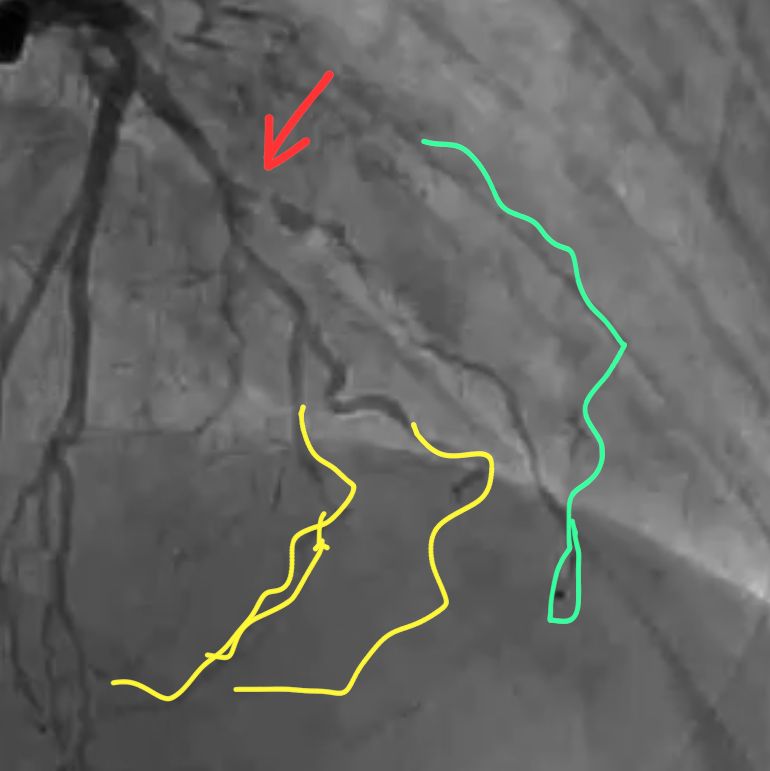
Here are some dual injection angios to better show you the connections.

There are several ways to tackle a CTO – some antegrade and some retrograde. We have focused on and specialized in contrast modulation of plaque. This requires puncturing the proximal cap and then using micro injections of contrast. The technique is also called a modified Carlino injection after Mauro Carlino who described

Here is the setup for the LCX intervention by means of CAP (aka Carlino). Notice the ambiguous cap.

This is not the typical cloud. It is tubular which means we must be extra plaque

So we used a Gaia 2 to redirect our MC and repeat the contrast injection. Now we see the vessel architecture – as well as re-entry!

This is just the injection clip. The typical result is seen towards the LCX. There contrast mediated STAR into the OM2!

So we wired the LCX first, then treated the bifurcation, and used a dual lumen catheter to wire the OM2.

We used IVUS to confirm that we were not going to jail off the side branch with our stent. We used JSBT!

And here is the final angio. You can see that we are nicely set up for a retrograde intervention on the RCA in a few weeks.

And now you have the complete name for the case: Using Contrast To Cut The Gordian Knot! A Complicated CTO Intervention

Afterword. I think this case highlights how far coronary PCI has come – as a specialty. In my fellowship, this talk of dissecting and injecting contrast and going epicardial would have been blasphemous. And now it is routine in selected centers of course.

The upshot is that CABG is no longer the end of the road. The end of the road is the end of the road – and that is not in sight for coronary PCI!!!

Dr. Zaka Khan wrote: Regarding Coronary sinus reducer – This was original developed by Neovasc . A Canadian startup. There main two products for Cosira and Tiara. Cosira was designed for controlled occlusion of CS to improve symptoms of refractory Angina . It does improve at least 1 CCS class. Would work only in cases of refractory angina and evidence of reversible ischemia. It increases coronary microvasculature flow.
Tiara was supposed to be Transseptal Mitral valve replacement system without need for apical approach.
Company got into litigation with Edward’s and then few guys at UPEN. Material used for Tiara was manufactured by Boston Sci and hence they jumped into the mix. Cosira system was bought into by Shockwave medical.
Tiara is still somewhere and the fight goes on.
Many investors lost money because of legal battles. Would have been a big hit like TAVR .

Questions by Dr. Afaq Motiwala answered by Dr. Arain:

) Does the micro catheter injection into the cap create more extensive dissection (if you are extra plaque) and make it harder to get into true lumen? Yes and no. That is where we have honed our technique. It’s all a matter of understanding the contrast cloud.

2) How did the ivus help you with side branch? It helped confirm that I was in true lumen and that the side branch was not jailed behind plaque.

3) Where did you place your balloon for jsbt? Balloon from OM2 to top branch and stent in the main body of the OM2

4)The small branch you preserved with a wire, does it have some contained hematoma? Any need to tamponade it or it’s inconsequential? It does, but the flow was good without a dissection in multiple views. So OK to follow clinically. These are very small branches.

.

It was important to preserve the OM2 trifurcation. You can see the size of it in the cranial view. The top branch fills OM1 and the bottom two supply the PLB. I plan to fix both eventually.

Dr. Amin H. Karim wrote: The cath diagram took me back to pre-EMR days when we routinely made these after watching the cine on Trajano. They were very reflective of the coronary anatomy as well as recording one’s personal notes. 30 years later when we look at these in the patient’s chart it gives a good idea of the pre-intervention anatomy. Computer diagrams are no match and I feel sorry for your younger colleagues when they pull their patient records decades later, they will be looking at a computer cartoon that is a far cry from the real anatomy. Both Michael DeBakey and Denton Cooley gave a lot of importance to the cath diagram on patients referred for surgery and both would hang them on the old x-ray box in the OR as a reference! Dr. DeBakey would meticulously put his pencil notes on the diagram and file them on each patient. He would also draw the grafts on another copy and send them to the referral cardiologist. He would pull the file out when patient came in years later for redo

How to Plan A Left Main PCI – The ABCs

By Dr. Salman Arain MD

Here is a way to think (and talk) about left main PCI.

A – Anatomy (i.e. functional anatomy) which includes angiography, IVUS, and physiology.
B – Bifurcation classification If applicable of course.
C – Calcium management. All inclusive term that includes all available devices for lesion preparation: rota, CSI, IVL, cutting balloons, laser, and of course NC balloons.
D – Devices. This includes the need for and choice of mechanical support.
E – Execution. The actual PCI strategy (or strategies).

86 year old man with patent LIMA and SVG to RCA. Now with exertional angina and lateral wall ischemia (large).

Here is the LIMA shot from then – the proximal segment of the LAD is not supplied by the graft. So worth saving and/or protecting.

Here are my ABCDEs – as promised.

A: Functionally and anatomically the calcium involves all three branches. FFR or iFR not needed.

B: This is a Medina 1,1,1. The proximal LAD supplies a significant area and is worth saving.

C: There is nodular calcium and some type of atherectomy will help place stents. My first choice was rotational atherectomy given that it is a front cutter.

D: This is a protected LM and the EF is low normal. So no need for an MCS.

E: The LM is very short or non-existent. This anatomy is better suited for Culotte though any technique would work.

S: Not applicable.

We ended up wiring the LM into the LCX followed by atherectomy with a 1.5 burr. We were unable to wire the proximal LAD from the LM because the ostium was obstructed by the calcium nodule.

And here is the final result.

You can see that the LCX is technically a first OM that supplies a major portion of the lateral wall with its 5(!) branches.

Maintenance of Certification

February 5, 2024

Maintenance of Certification—The Value to Patients and Physicians

Robert O. Roswell, MD1Erica N. Johnson, MD2Rajeev Jain, MD3

JAMA. 2024;331(9):727-728. doi:10.1001/jama.2024.0374

In 1936, the American Medical Association and the American College of Physicians jointly formed the American Board of Internal Medicine (ABIM) as an independent assessment organization to distinguish internists who met peer-reviewed established standards. The mission of the ABIM is to enhance the quality of health care by certifying internists and subspecialists who demonstrate the knowledge, skills, and attitudes essential for excellent patient care.1 For more than half a century, the process of board certification ended at the beginning of a physician’s career with initial certification. In 1990, with the goal to assure the public that certified physicians are maintaining their knowledge and skills, ABIM began requiring periodic reassessment of medical knowledge to maintain certification in all disciplines. Medicine is evolving at a rapid pace, and by participating in maintenance of certification (MOC), physicians can reassure patients, colleagues, and themselves that they are doing what they need to do to stay current in medical knowledge and practice.

At a time when physicians are overwhelmed by bureaucratic requirements of prior authorization, required institutional trainings in everything from workplace safety to billing and coding, and collectively recovering from the massive and ongoing trauma that is COVID-19, some physicians have begun to question the benefits of certification.

ABIM acknowledges the challenges and demands facing today’s practicing physicians and uses diplomate feedback to improve its programs and processes. Based on feedback from the diplomate community, ABIM has launched the Longitudinal Knowledge Assessment (LKA). The LKA was designed to better accommodate physicians’ schedules and desires for flexibility. Approximately 80% of ABIM-certified physicians across all disciplines are choosing the LKA over the traditional long-form MOC examination. The LKA does not require preparation, takes 4 hours per year on average, and, after questions are answered, provides the diplomate with immediate feedback, rationales, and references while offering the opportunity to provide critiques of the item to ABIM. Across all disciplines, 70% of diplomates agree, 16% are neutral, and 14% disagree with the statement that “the LKA is a fair assessment of clinical knowledge in this discipline.”

Importantly, all of these innovations occur with the oversight of a diverse governance structure that includes physicians from a vast array of practice types, and also nonphysician public members. Early in its history—dating back to 1936—ABIM governance was largely drawn from the ranks of the academy and specialty societies. But in 2014, ABIM substantially modified its governance to oversee policy in each of its disciplines and complement the work of committees creating examination content; newly appointed governance members were selected to represent the range of practice types and physician experience within each discipline, along with both patient and nonphysician clinical team members. With the launch of the LKA in 2022, content generation was expanded to more than 1000 volunteers. This expansion intentionally included a majority of practicing physicians from the community who work in a broad range of settings. ABIM aims to be a vehicle through which the profession of internal medicine sets standards for itself.

All physicians engaged in patient care bear the heavy burden of all the cost and work it takes to stay current in the field to provide state-of-the-art evidence-based care to their patients. To help with these challenges, in launching the LKA, ABIM lowered the 10-year cost of the continuing certification program for all physicians—regardless of how many certificates they hold—if they participate in the LKA to maintain them. It now costs $220 per year to maintain 1 certificate and $120 for each additional certificate.2 To ensure financial transparency, audited financial statements including Internal Revenue Service Form 990 are made public by ABIM as soon as they are available, an action that not all nonprofits follow.2 The organization has earned a Platinum Seal of Transparency from Candid for its financial transparency, which includes publicly posting financial statements and a guide on how to read the organization’s posted financial documents.2,3

A large and growing body of evidence from published, peer-reviewed, cohort studies with adjusted statistical analyses has shown that patients who are cared for by physicians who demonstrate more medical knowledge through certification and MOC have a better prognosis for a host of important outcomes including lower mortality from cardiovascular disease, fewer emergency department visits, fewer unplanned hospitalizations, better adherence to medical guidelines, improved results on myriad process-of-care measures such as opioid prescribing and diabetes care, and fewer state medical board disciplinary actions.4

Physicians who were required to complete MOC to stay certified provided 2.5% lower total cost of care to Medicare beneficiaries without any decline in measured quality. This translates into approximately $5 billion per year in health care savings when extrapolated to the entire Medicare population.5 The totality of evidence around certification and MOC now includes studies collectively involving tens of thousands of physicians and hundreds of thousands of patients. Despite limitations in these studies, there are important positive associations on patient outcomes.

Some physicians wonder if self-assessment alone could ensure better outcomes and more efficient care. The president and chief executive officer of the Accreditation Council for Continuing Medical Education recently argued that for CME to be effective in closing identified knowledge gaps, it was necessary to have a continuing certification program using objective assessments of medical knowledge.6

ABIM continually seeks to improve its certification procedures. To ensure fairness and recognition of the structural forces that may bias assessments such as certification questions, ABIM has invested in fairness reviews of questions on several examinations to identify and remove bias if it is found. Health equity was recently approved as a new content area on ABIM assessments. There is ongoing work to enhance the knowledge of extant health disparities on examinations, including best practices in advancing health equity. ABIM meets regularly with specialty society leadership. A future assessment innovation requested by some medical societies will include the introduction of practice profiles in some disciplines where practice data demonstrate concentrations of practice within the discipline; these concentrations will facilitate the design of more tailored assessments that will enhance relevance.

Emerging technologies, like artificial intelligence and large language models, will create innovative assessment approaches, and ABIM has committed to explore them, even as we ensure that demonstration of individual physician knowledge remains the foundation of certification, a process that explicitly and publicly recognizes the skills and expertise of an individual physician.

Prior conversations with physicians have led to significant changes in MOC. With physicians’ input and keeping patients at the forefront, ABIM’s programs will continue to evolve. Physicians earning and maintaining certification should be recognized for their accomplishments in obtaining and keeping their medical knowledge current throughout their careers. We look forward to continuing to engage the community of internists and subspecialists as we also continue to provide a way to recognize the value of the hard-earned expertise board-certified physicians offer to their patients, colleagues, and the medical community.

Back to top

Article Information

Corresponding Author: Robert O. Roswell, MD, Associate Dean for Diversity, Equity, and Inclusion, Departments of Cardiology and Science Education, Donald and Barbara Zucker School of Medicine at Hofstra/Northwell, 2000 Marcus Ave, Ste 300, New Hyde Park, NY 11042-1069 (rroswell@northwell.edu).

Published Online: February 5, 2024. doi:10.1001/jama.2024.0374

Conflict of Interest Disclosures: Drs Roswell, Johnson, and Jain report that they are officers of the ABIM Board of Directors and receive an honorarium for their service.

Additional Contributions: We acknowledge Seth Landefeld, MD, officer, ABIM Board of Directors, for his contributions to this work. No compensation was received.

References

1.

American Board of Internal Medicine. About ABIM. Accessed November 17, 2023. https://www.abim.org/about/mission/

2.

American Board of Internal Medicine. ABIM fees. Accessed November 17, 2023. https://www.abim.org/maintenance-of-certification/policies-fees/

3.

American Board of Internal Medicine. ABIM candid profile. Accessed December 20, 2023. https://www.guidestar.org/profile/39-0866228

4.

American Board of Internal Medicine. Evidence supporting certification and MOC. Accessed November 17, 2023. https://www.abim.org/evidence

5.

Gray  BM, Vandergrift  JL, Johnston  MM,  et al.  Association between imposition of a maintenance of certification requirement and ambulatory care–sensitive hospitalizations and health care costs.   JAMA. 2014;312(22):2348-2357. doi:10.1001/jama.2014.12716
ArticlePubMedGoogle ScholarCrossref

6.

Lyness  JM, McMahon  GT.  The role of specialty certification in career-long competence.   Acad Med. 2023;98(10):1104-1106. doi:10.1097/ACM.0000000000005314PubMedGoogle ScholarCrossref

Cardiac Amyloidosis

By Edward Aldrich
Medical Officer, MBCHB
Stellenbosch University,
South Africa


Amin H. Karim MD
Baylor College Of Medicine,
Methodist Academic Institute.
Houston, Texas

Patient is a 70-year-old African American male known with atrial fibrillation, hypertension, GERD, venous insufficiency, sleep apnea and benign prostatic hyperplasia, who presented with heart failure due to hypertrophic cardiomyopathy. The diagnosis of transthyretin cardiac amyloidosis was confirmed on biopsy, after suggestive features were seen on echocardiogram and cardiac magnetic resonance.

Epidemiology – Cardiac amyloidosis is a rare form of cardiomyopathy and approximately 95 percent of cases are caused by the deposition of transthyretin (ATTR amyloidosis) or immunoglobulin light chains (AL amyloidosis).

Classification of amyloidosis is based upon the type of precursor protein:

  • Transthyretin amyloidosis (ATTR amyloidosis) – Transthyretin amyloidosis results from the misfolding and deposition of transthyretin (TTR, formerly known as prealbumin), a tetrameric protein synthesized by the liver that normally transports vitamin A and thyroid hormone. ATTR amyloidosis can be further divided into two subtypes:
  • Wild-type amyloidosis (wtATTR amyloidosis) – Wild-type transthyretin amyloidosis (previously known as senile systemic amyloidosis) is caused by the deposition of misfolded wild-type (normal) transthyretin.
  • Hereditary amyloidosis (hATTR amyloidosis) – Hereditary transthyretin amyloidosis is caused by gene mutations in the transthyretin gene (TTR) that lead to abnormal transthyretin formation. The typical transmission of hATTR is autosomal dominant inheritance with variable penetrance, and there are more than 120 known mutations of TTR associated with hATTR amyloidosis.
  • Light chain amyloidosis (AL amyloidosis) – Light chain amyloidosis (AL amyloidosis; also known as primary systemic amyloidosis) results from deposition of misfolded immunoglobulin light chains from a plasma cell dyscrasia.
  • Other types of amyloid – Rare causes of cardiac amyloidosis include serum amyloid A amyloidosis, hereditary apolipoprotein A-1, and apolipoprotein A-4 amyloidosis.

Clinical manifestations – The clinic phenotype varies, and an often-generic clinic presentation makes it difficult to establish a diagnosis.

Presentations at age ≥60 years are most common. Each transthyretin mutation is associated with its own age range (from 30 to 70 years) and the particular risk for cardiomyopathy varies. The main manifestations of ATTR amyloidosis are cardiac.

Electrocardiogram – Discordance between increased left ventricular wall thickness (on cardiac imaging ie echocardiography) and QRS voltage, which is often reduced, is the classic sign of cardiac amyloidosis. However, this has low sensitivity, and the prevalence of low voltage shows significant variation, depending on the cause, with less frequency in patients with ATTR amyloidosis (20 percent) than in patients with AL amyloidosis (60 percent).

When to suspect cardiac amyloidosis – Cardiac amyloidosis should be suspected in patients with:

  • Unexplained LV hypertrophy (with or without heart failure [HF]).
  • Aortic stenosis with features associated with cardiac amyloidosis (such as presence of low-flow, low-gradient aortic stenosis and/or echocardiographic detection of impaired longitudinal strain [eg, mitral annular S’ ≤6 m/sec]).
  • Symptoms or signs typical of AL or ATTR amyloidosis and HF.
  • A condition highly associated with cardiac amyloidosis (eg, systemic AL amyloidosis, ATTR-related peripheral neuropathy, or ATTR mutation carrier state).

Diagnosis – For patients with any of the above features, cardiovascular magnetic resonance (CMR) imaging is recommended.

  • If CMR findings suggest cardiac amyloidosis, testing for evidence of monoclonal protein using serum protein immunofixation, urine protein immunofixation, and serum free light chain ratio analysis is the next step.
  • If monoclonal protein is identified, hematology referral, tissue biopsy and bone marrow biopsy are indicated.
  • If monoclonal protein is not identified, further evaluation is based upon the results of bone tracer cardiac scintigraphy.
  • If CMR is not suggestive of cardiac amyloidosis, cardiac amyloidosis is unlikely and other causes of LVH and/or HF should be considered.

Treatment of specific complications of cardiac amyloidosis

  • Atrial fibrillation
    • Rate and rhythm control – In patients with atrial fibrillation, rate control should be prioritized over rhythm control. For most patients, amiodarone is recommended for rate control. In patients in whom amiodarone is not an option for therapy, low-dose digoxin or low-dose beta blockers are alternatives.
    • Anticoagulation – In patients with cardiac amyloidosis and atrial fibrillation or atrial flutter, anticoagulation is recommended. Standard risk estimators (eg, CHA2DS2VASC) are not validated in amyloidosis.
    • Cardioversion – In patients with AL or ATTR cardiac amyloidosis who require cardioversion for symptomatic management, transesophageal echocardiography (TEE) is recommended prior to cardioversion rather than no transesophageal echocardiography prior to cardioversion. This is to exclude the presence of emboli.
  • Conduction system disease – In patients with cardiac amyloidosis, general indications for cardiac pacing are recommended.

Specific treatment for ATTR amyloidosis

Medical therapy – In patients with ATTRwt or ATTRv (where “v” indicates “variant”) cardiac amyloidosis and New York Heart Association (NYHA) functional class I to III HF symptoms, tafamidis is recommended rather than no disease specific therapy, and tafamidis is preferrable to diflunisal. Diflunisal is poorly tolerated and has unclear efficacy in patients with cardiac amyloidosis.

Therapy for heart failure – In patients with ATTR cardiac amyloidosis with either HFrEF (HF with reduced ejection fraction) or HFpEF (HF with preserved ejection fraction), there are no specific recommendations for HF therapy other than general HF treatment measures and diuretics for volume overload.

In patients with refractory HF, therapeutic options include palliative care, heart transplantation, mechanical circulatory support, and continuous inotrope infusion.

Liver transplantation – This only has proven benefit for patients with familial amyloid polyneuropathy. Potential benefit for cardiac amyloidosis is controversial.

Prognostic indicators

  • The first published staging system for patients with ATTRwt cardiac amyloidosis is based on serum levels of NT-proBNP and cardiac troponin T.
  • The second staging system, validated in patients with ATTRwt or ATTRv, is based on serum levels of NT-proBNP and eGFR.

Adapted from the following UpToDate articles:

  • Cardiac amyloidosis: Epidemiology, clinical manifestations, and diagnosis by Marianna Fontana, MD
  • Cardiac amyloidosis: Treatment and prognosis by Marianna Fontana, MD

Death Before Cardiac Cath: Closed Case Study

Illinois cardiologist not held responsible for patient’s death while waiting for angiogram

Dave Fornell | February 21, 2024 | Cardiovascular Business | Legal News

A judge in the Illinois 5th District Court of Appeals upheld a previous trial victory that cleared central Illinois cardiologist Amit Dande, MD, and Prairie Cardiovascular Consults LLP of alleged misdiagnosis of the severity of a patient’s heart condition that led to his death prior to a scheduled angiogram. 

In the opinion issued Feb. 20, Judge Mark Bovard upheld the lower court’s decision in favor of the defendants.

The plaintiff, Cheryl Wilson, brought a wrongful death action claiming her husband Leslie Wilson died as a result of the cardiologist being negligent in his evaluation. The claim alleged Dande did not understand the severity of Wilson’s heart condition and failed to intervene in a timely manner. But the jury in the case decided he was not negligent and followed the normal standard of care for a patient with stable ischemia.

On appeal, the plaintiff claimed that the trial court erred in allowing the defendants’ medical expert to testify about possible causes of the patient’s death. There was debate among the medical experts in the trial because no one knew the actual cause of death, since no autopsy was performed. The plaintiff also said the court refused to admit into evidence Wilson’s complete death certificate with the cause of death, and denied the plaintiff’s motion for a directed verdict on the allegation that the defendants failed to properly instruct the patient to restrict his physical activities while awaiting the heart catheterization procedure.

After reviewing the trial results, Bovard opted to let the lower court decision stand.

Details from the malpractice trial

On July 29, 2015, Dande met with the patient, reviewed the results of the stress test, and recommended an elective cardiac catheterization scheduled Aug. 11, 2015. On Aug. 3, Wilson went out to mow his family farm. His wife found him dead, slumped over the steering wheel of his tractor, which had run into a fence. 

She later sued the defendants, claiming her husband’s death was due to negligence. She claimed the defendants deviated from the standard of care in failing to appreciate the seriousness of the patient’s cardiac condition, failed to timely and adequately perform appropriate diagnostic tests to assess and treat his condition, and failed to provide adequate instructions regarding restricting his physical activities. 

During the trial, the defendants’ expert argued there were multiple possible causes of death. This focused on the patient’s family history of heart disease, hypertension, high cholesterol and obesity. In September 2010 he suffered a stroke, and a scooter accident in December 2010 caused an intercranial hemorrhage and fractured fibula requiring surgical repair. A surgical related deep vein thrombosis (DVT) developed in February 2011. The patient also had the heterozygous factor V Leiden genetic mutation, which can cause abnormal clotting. He was diagnosed with chronic venous insufficiency in August 2011 and told it was possible he could develop blood clots in the future due to the condition. He was later diagnosed with chronic DVT in September 2011 and underwent a successful thrombectomy. 

In July 2015, the patient was assessed because of shortness of breath upon exertion. He reported that he had a couple episodes of some visual field defects and occasionally slurred speech that lasted multiple days each time in between 2022 and 2015. A carotid ultrasound showed he had less than a 50% blockage of the right and left internal carotid arteries. 

An exercise stress test was suggestive of myocardial ischemia. In testimony during the trial, Wilson did not report chest discomfort and demonstrated fairly good exercise tolerance for his age. The test was stopped because of shortness of breath and the horizontal ST depressions on the ECG, typical of ischemia. The patient scored a minus 4.7 on the Duke Treadmill Score, and a future cardiac events assessment indicated that his five-year life expectancy was 94%.

Wilson was referred to Dande for a cardiology consultation. Dande testified after considering the symptoms, family and medical history, and results of the stress test. He concluded Wilson needed a cardiac catheterization to determine whether there was a blockage of the coronary arteries. His staff scheduled the nonurgent procedure according to the next available opening on his schedule. Dande also recommended that Wilson have an echocardiogram prior to the procedure to make sure he did not have an enlarged heart, fluid around the organ, or a leaky valve. 

There was no autopsy performed so no clear cause of death was known. During the trial, experts opined that death could have been caused by a heart attack, stroke, pulmonary embolism, aortic dissection or aortic aneurysm. The court found that the death certificate listed a cause of death being “sudden cardiac death.” There was no information as to the qualifications of the coroner to offer such an opinion, so the court would not allow the document to be entered as evidence.

The plaintiff’s medical expert was Jeffrey Breall, MD, PhD, a board-certified interventional cardiologist with Indiana University Health Cardiovascular. He reviewed the medical records and the depositions in the case. Breall opined that the results of the stress test suggested a severe blockage of the coronary arteries that required urgent attention. He testified that the progressive worsening of shortness of breath with everyday activities, together with known risk factors and the abnormal stress test, indicated the patient had unstable angina. He said it would have been reasonably prudent to perform a heart catheterization within 48 hours after the office visit, or refer the patient to another facility. Dande should have placed the patient on medication and instructed him to limit his usual activities until the procedure was done, he added. 

But Edgar Carell, MD, a board-certified interventional cardiologist with UChicago Medicine AdventHealth Medical Group Heart and Vascular in the Chicago suburbs, who was the defendants’ medical expert, argued differently. He said there was no chest pain or indication that the patient required an urgent catheterization. A careful cardiologist would instruct a patient to be reasonable, to refrain from activities that made him feel poorly and, if the patient was feeling well, generally they could do what they wanted. In the end, the jury agreed with this assessment.