Cardiac Amyloidosis

By Edward Aldrich
Medical Officer, MBCHB
Stellenbosch University,
South Africa


Amin H. Karim MD
Baylor College Of Medicine,
Methodist Academic Institute.
Houston, Texas

Patient is a 70-year-old African American male known with atrial fibrillation, hypertension, GERD, venous insufficiency, sleep apnea and benign prostatic hyperplasia, who presented with heart failure due to hypertrophic cardiomyopathy. The diagnosis of transthyretin cardiac amyloidosis was confirmed on biopsy, after suggestive features were seen on echocardiogram and cardiac magnetic resonance.

Epidemiology – Cardiac amyloidosis is a rare form of cardiomyopathy and approximately 95 percent of cases are caused by the deposition of transthyretin (ATTR amyloidosis) or immunoglobulin light chains (AL amyloidosis).

Classification of amyloidosis is based upon the type of precursor protein:

  • Transthyretin amyloidosis (ATTR amyloidosis) – Transthyretin amyloidosis results from the misfolding and deposition of transthyretin (TTR, formerly known as prealbumin), a tetrameric protein synthesized by the liver that normally transports vitamin A and thyroid hormone. ATTR amyloidosis can be further divided into two subtypes:
  • Wild-type amyloidosis (wtATTR amyloidosis) – Wild-type transthyretin amyloidosis (previously known as senile systemic amyloidosis) is caused by the deposition of misfolded wild-type (normal) transthyretin.
  • Hereditary amyloidosis (hATTR amyloidosis) – Hereditary transthyretin amyloidosis is caused by gene mutations in the transthyretin gene (TTR) that lead to abnormal transthyretin formation. The typical transmission of hATTR is autosomal dominant inheritance with variable penetrance, and there are more than 120 known mutations of TTR associated with hATTR amyloidosis.
  • Light chain amyloidosis (AL amyloidosis) – Light chain amyloidosis (AL amyloidosis; also known as primary systemic amyloidosis) results from deposition of misfolded immunoglobulin light chains from a plasma cell dyscrasia.
  • Other types of amyloid – Rare causes of cardiac amyloidosis include serum amyloid A amyloidosis, hereditary apolipoprotein A-1, and apolipoprotein A-4 amyloidosis.

Clinical manifestations – The clinic phenotype varies, and an often-generic clinic presentation makes it difficult to establish a diagnosis.

Presentations at age ≥60 years are most common. Each transthyretin mutation is associated with its own age range (from 30 to 70 years) and the particular risk for cardiomyopathy varies. The main manifestations of ATTR amyloidosis are cardiac.

Electrocardiogram – Discordance between increased left ventricular wall thickness (on cardiac imaging ie echocardiography) and QRS voltage, which is often reduced, is the classic sign of cardiac amyloidosis. However, this has low sensitivity, and the prevalence of low voltage shows significant variation, depending on the cause, with less frequency in patients with ATTR amyloidosis (20 percent) than in patients with AL amyloidosis (60 percent).

When to suspect cardiac amyloidosis – Cardiac amyloidosis should be suspected in patients with:

  • Unexplained LV hypertrophy (with or without heart failure [HF]).
  • Aortic stenosis with features associated with cardiac amyloidosis (such as presence of low-flow, low-gradient aortic stenosis and/or echocardiographic detection of impaired longitudinal strain [eg, mitral annular S’ ≤6 m/sec]).
  • Symptoms or signs typical of AL or ATTR amyloidosis and HF.
  • A condition highly associated with cardiac amyloidosis (eg, systemic AL amyloidosis, ATTR-related peripheral neuropathy, or ATTR mutation carrier state).

Diagnosis – For patients with any of the above features, cardiovascular magnetic resonance (CMR) imaging is recommended.

  • If CMR findings suggest cardiac amyloidosis, testing for evidence of monoclonal protein using serum protein immunofixation, urine protein immunofixation, and serum free light chain ratio analysis is the next step.
  • If monoclonal protein is identified, hematology referral, tissue biopsy and bone marrow biopsy are indicated.
  • If monoclonal protein is not identified, further evaluation is based upon the results of bone tracer cardiac scintigraphy.
  • If CMR is not suggestive of cardiac amyloidosis, cardiac amyloidosis is unlikely and other causes of LVH and/or HF should be considered.

Treatment of specific complications of cardiac amyloidosis

  • Atrial fibrillation
    • Rate and rhythm control – In patients with atrial fibrillation, rate control should be prioritized over rhythm control. For most patients, amiodarone is recommended for rate control. In patients in whom amiodarone is not an option for therapy, low-dose digoxin or low-dose beta blockers are alternatives.
    • Anticoagulation – In patients with cardiac amyloidosis and atrial fibrillation or atrial flutter, anticoagulation is recommended. Standard risk estimators (eg, CHA2DS2VASC) are not validated in amyloidosis.
    • Cardioversion – In patients with AL or ATTR cardiac amyloidosis who require cardioversion for symptomatic management, transesophageal echocardiography (TEE) is recommended prior to cardioversion rather than no transesophageal echocardiography prior to cardioversion. This is to exclude the presence of emboli.
  • Conduction system disease – In patients with cardiac amyloidosis, general indications for cardiac pacing are recommended.

Specific treatment for ATTR amyloidosis

Medical therapy – In patients with ATTRwt or ATTRv (where “v” indicates “variant”) cardiac amyloidosis and New York Heart Association (NYHA) functional class I to III HF symptoms, tafamidis is recommended rather than no disease specific therapy, and tafamidis is preferrable to diflunisal. Diflunisal is poorly tolerated and has unclear efficacy in patients with cardiac amyloidosis.

Therapy for heart failure – In patients with ATTR cardiac amyloidosis with either HFrEF (HF with reduced ejection fraction) or HFpEF (HF with preserved ejection fraction), there are no specific recommendations for HF therapy other than general HF treatment measures and diuretics for volume overload.

In patients with refractory HF, therapeutic options include palliative care, heart transplantation, mechanical circulatory support, and continuous inotrope infusion.

Liver transplantation – This only has proven benefit for patients with familial amyloid polyneuropathy. Potential benefit for cardiac amyloidosis is controversial.

Prognostic indicators

  • The first published staging system for patients with ATTRwt cardiac amyloidosis is based on serum levels of NT-proBNP and cardiac troponin T.
  • The second staging system, validated in patients with ATTRwt or ATTRv, is based on serum levels of NT-proBNP and eGFR.

Adapted from the following UpToDate articles:

  • Cardiac amyloidosis: Epidemiology, clinical manifestations, and diagnosis by Marianna Fontana, MD
  • Cardiac amyloidosis: Treatment and prognosis by Marianna Fontana, MD

Death Before Cardiac Cath: Closed Case Study

Illinois cardiologist not held responsible for patient’s death while waiting for angiogram

Dave Fornell | February 21, 2024 | Cardiovascular Business | Legal News

A judge in the Illinois 5th District Court of Appeals upheld a previous trial victory that cleared central Illinois cardiologist Amit Dande, MD, and Prairie Cardiovascular Consults LLP of alleged misdiagnosis of the severity of a patient’s heart condition that led to his death prior to a scheduled angiogram. 

In the opinion issued Feb. 20, Judge Mark Bovard upheld the lower court’s decision in favor of the defendants.

The plaintiff, Cheryl Wilson, brought a wrongful death action claiming her husband Leslie Wilson died as a result of the cardiologist being negligent in his evaluation. The claim alleged Dande did not understand the severity of Wilson’s heart condition and failed to intervene in a timely manner. But the jury in the case decided he was not negligent and followed the normal standard of care for a patient with stable ischemia.

On appeal, the plaintiff claimed that the trial court erred in allowing the defendants’ medical expert to testify about possible causes of the patient’s death. There was debate among the medical experts in the trial because no one knew the actual cause of death, since no autopsy was performed. The plaintiff also said the court refused to admit into evidence Wilson’s complete death certificate with the cause of death, and denied the plaintiff’s motion for a directed verdict on the allegation that the defendants failed to properly instruct the patient to restrict his physical activities while awaiting the heart catheterization procedure.

After reviewing the trial results, Bovard opted to let the lower court decision stand.

Details from the malpractice trial

On July 29, 2015, Dande met with the patient, reviewed the results of the stress test, and recommended an elective cardiac catheterization scheduled Aug. 11, 2015. On Aug. 3, Wilson went out to mow his family farm. His wife found him dead, slumped over the steering wheel of his tractor, which had run into a fence. 

She later sued the defendants, claiming her husband’s death was due to negligence. She claimed the defendants deviated from the standard of care in failing to appreciate the seriousness of the patient’s cardiac condition, failed to timely and adequately perform appropriate diagnostic tests to assess and treat his condition, and failed to provide adequate instructions regarding restricting his physical activities. 

During the trial, the defendants’ expert argued there were multiple possible causes of death. This focused on the patient’s family history of heart disease, hypertension, high cholesterol and obesity. In September 2010 he suffered a stroke, and a scooter accident in December 2010 caused an intercranial hemorrhage and fractured fibula requiring surgical repair. A surgical related deep vein thrombosis (DVT) developed in February 2011. The patient also had the heterozygous factor V Leiden genetic mutation, which can cause abnormal clotting. He was diagnosed with chronic venous insufficiency in August 2011 and told it was possible he could develop blood clots in the future due to the condition. He was later diagnosed with chronic DVT in September 2011 and underwent a successful thrombectomy. 

In July 2015, the patient was assessed because of shortness of breath upon exertion. He reported that he had a couple episodes of some visual field defects and occasionally slurred speech that lasted multiple days each time in between 2022 and 2015. A carotid ultrasound showed he had less than a 50% blockage of the right and left internal carotid arteries. 

An exercise stress test was suggestive of myocardial ischemia. In testimony during the trial, Wilson did not report chest discomfort and demonstrated fairly good exercise tolerance for his age. The test was stopped because of shortness of breath and the horizontal ST depressions on the ECG, typical of ischemia. The patient scored a minus 4.7 on the Duke Treadmill Score, and a future cardiac events assessment indicated that his five-year life expectancy was 94%.

Wilson was referred to Dande for a cardiology consultation. Dande testified after considering the symptoms, family and medical history, and results of the stress test. He concluded Wilson needed a cardiac catheterization to determine whether there was a blockage of the coronary arteries. His staff scheduled the nonurgent procedure according to the next available opening on his schedule. Dande also recommended that Wilson have an echocardiogram prior to the procedure to make sure he did not have an enlarged heart, fluid around the organ, or a leaky valve. 

There was no autopsy performed so no clear cause of death was known. During the trial, experts opined that death could have been caused by a heart attack, stroke, pulmonary embolism, aortic dissection or aortic aneurysm. The court found that the death certificate listed a cause of death being “sudden cardiac death.” There was no information as to the qualifications of the coroner to offer such an opinion, so the court would not allow the document to be entered as evidence.

The plaintiff’s medical expert was Jeffrey Breall, MD, PhD, a board-certified interventional cardiologist with Indiana University Health Cardiovascular. He reviewed the medical records and the depositions in the case. Breall opined that the results of the stress test suggested a severe blockage of the coronary arteries that required urgent attention. He testified that the progressive worsening of shortness of breath with everyday activities, together with known risk factors and the abnormal stress test, indicated the patient had unstable angina. He said it would have been reasonably prudent to perform a heart catheterization within 48 hours after the office visit, or refer the patient to another facility. Dande should have placed the patient on medication and instructed him to limit his usual activities until the procedure was done, he added. 

But Edgar Carell, MD, a board-certified interventional cardiologist with UChicago Medicine AdventHealth Medical Group Heart and Vascular in the Chicago suburbs, who was the defendants’ medical expert, argued differently. He said there was no chest pain or indication that the patient required an urgent catheterization. A careful cardiologist would instruct a patient to be reasonable, to refrain from activities that made him feel poorly and, if the patient was feeling well, generally they could do what they wanted. In the end, the jury agreed with this assessment.

Failure To Refer for Cardiac Evaluation

Closed Case Study

by Olga Maystruk, Designer and Brand Strategist, and 
Ariana Gutierrez, Risk Management Representative


Presentation
A 55-year-old man came to Family Physician A with a two-month history of occasional 2-minute-long chest pains after exertion. He described the pain as suffocating, sharp, stabbing, and radiating to his jaw, throat, and teeth. The patient had also experienced loss of consciousness, wheezing, stress, fatigue, and anxiety. The evening before the visit, he had a syncopal episode. 
 
The patient’s medical history included hypertension, obesity, and lung disease; his family history was significant for heart disease, including a parent having a heart attack and a coronary artery bypass surgery. The patient’s blood pressure was 197/107 mm Hg and pulse 92. His BMI was calculated as 41.4. It had been three years since his last appointment with Family Physician A.
 
 
Physician action
The physician ordered an EKG and lab studies. The EKG results showed a sinus rhythm, left axis deviation, left anterior fascicular block and possible septal myocardial infarction (MI).  There were no acute ST-T wave changes. The lab results were all in abnormal ranges. Family Physician A referred the patient to cardiology to be seen the same day.
 
The patient saw Cardiologist A that afternoon. Upon examination, Cardiologist A documented left side chest pain, reproducible on palpation, and elevated blood pressure of 178/102 mm Hg. She documented that the EKG results showed a sinus rhythm, left axis deviation, and left anterior fascicular block with non-specific ST-T wave changes inferiorly.  
 
Cardiologist A diagnosed the patient with hypertension, atypical chest pain, vasovagal syncope, and morbid obesity. The patient was prescribed valsartan-hydrochlorothiazide 12.5mg daily and instructed to return in three days for an EKG and stress test.
 
Upon checkout, the patient requested that his follow-up appointment be rescheduled to a later date. The patient was instructed to seek emergency care for any chest pain or shortness of breath.
 
Four days later, the patient was found dead in his parked vehicle. The autopsy identified a complete right coronary artery occlusion (assumed acute), 60 percent left anterior descending artery stenosis, left ventricular hypertrophy, and heart chamber dilatation. The cause of death was listed as coronary artery thrombosis due to atherosclerotic cardiovascular disease, with morbid obesity contributing.
 
 
Allegations
A lawsuit was filed against the cardiologist alleging: 

  • failure to obtain an adequate family history and detailed symptoms; 
  • disregard for ominous EKG findings; and
  • failure to refer patient to the hospital for cardiac evaluation.

 Legal implications
Two of the three consultants for the defense felt that Cardiologist A provided adequate treatment to the patient. They noted that given the patient’s history, physical exam, and EKG, there was no evidence of acute coronary ischemia. Reasonable care would include a stress test, EKG, and hypertension treatment, as there were no indications the patient required admission to the hospital. 
 
However, the third consultant expressed that the defendant should have discussed admission with the emergency department for further evaluation, given that the patient was morbidly obese with severe hypertension, chest pain, and an abnormal EKG. This consultant also felt that Family Physician A should have had the patient emergently transported to the ED for evaluation instead of referring him to cardiology.
 
Consultants for the plaintiff also expressed their concern about the EKG results and that the patient should have been immediately admitted to the telemetry unit for a cardiac workup. These consultants argued that the patient would have had a higher chance of survival if he had been sent to the ED right away. 
 
Another point of concern for the defense was documentation. There were conflicts between Cardiologist A’s documented patient history and the history obtained by the family physician. Additionally, there was a chest pain questionnaire in the family physician’s chart that was not sent with the EKG report. Cardiologist A’s chart did not contain the questionnaire, and it did not reflect any inquiries about reports of chest pain when examining the patient. 
 
 Disposition
The case was settled on behalf of Cardiologist A.
 
 Risk management considerations
Communication between physicians regarding patient care should be comprehensive and include all necessary information. In urgent situations, such as in this case, reviewing the patient’s medical record and history can aid in providing the best treatment. Cardiologist A failed to review and document an accurate patient and family history that may have indicated a more emergent response and hospital admission. 
 
According to the plaintiff’s consultants, the two EKGs obtained for the patient (at the offices of Family Physician A and Cardiologist A) indicated the need for a more emergent response by both physicians. Also, had Family Physician A sent the patient’s chest pain questionnaire to Cardiologist A, the cardiologist may have been alerted to a potentially serious underlying condition in the patient. 
 
Cardiologist A’s charting lacked documentation regarding the severity of the patient’s chest pain. In addition to missing Family Physician A’s chest pain questionnaire, Cardiologist A’s records were also missing the patient’s history of pain that day and over the past two months. This information — had the cardiologist been aware — would have indicated a need for either further testing that day or transporting the patient to the hospital. 
 
When caring for patients, it is essential to obtain comprehensive histories. If you have a prior relationship with the patient, like Family Physician A, it is important to review the patient’s history at every visit and to add anything new that may have happened since the previous visit. 
 
This patient had a significant family history of heart disease with one parent having a prior heart attack and a coronary artery bypass surgery. This should have indicated to the cardiologist that the patient was at higher risk for occluded vessels, when matched with the symptoms he was experiencing at his visit.
 
There was also a delay in recommended follow up. The importance of prompt follow up needed to be stressed to the patient. Cardiologist A said the patient needed to follow up in three days. The staff should not have allowed the patient to push the return visit date past the 3-day mark without checking with the physician first. Educating the patient on the importance of timely follow-up and the need to be seen in three days may have prompted him to take the situation more seriously.

How Bad Is Lipoprotein (a)

By Dominik Lajsz
and Amin H. Karim MD

1.1 What is lipoprotein(a)?

Lipoprotein(a) is a variation of low-density lipoprotein that includes a protein known as apolipoprotein(a). Research involving genetics and population studies has found that elevated levels of lipoprotein(a) is associated with an increased risk of developing atherosclerosis and related conditions like coronary heart disease and stroke.(1)

1.2. Structure of the Lipoprotein (a) particle

Lp(a) shares similarities with low-density lipoprotein (LDL), as it consists of a lipid core containing cholesteryl esters and triacylglycerols, surrounded by a phospholipid and apolipoprotein B-100 (apoB-100) particle layer.(3) In contrast to LDL cholesterol, Lp(a) contains an additional unique glycoprotein known as apolipoprotein(a) (apo(a)), which is connected to apoB-100 through a single disulfide bond. The biosynthesis of Lipoprotein(a) takes place almost exclusively in the liver.

2.1. Adverse effects of elevated lipoprotein (a) levels

Similar to LDL-cholesterol, the cholesterol found in Lp(a) can accumulate in the walls of your blood vessels. The higher your Lp(a) level, the greater the likelihood of this occurring. These deposits of cholesterol, known as plaques, have the potential to reduce blood flow to various organs such as the heart, brain, kidneys, lungs, legs, and other parts of the body. Over time, plaques can gradually grow or suddenly rupture, obstructing blood vessels and resulting in heart attacks or strokes.Lp(a) has the potential to induce heightened clotting, which in turn can result in the formation of blockages in blood vessels at a rapid pace. Lp(a) promotes inflammation which increases the likelihood that plaques will rupture.(2) Additionally, heightened levels of Lp(a) can contribute to the development of aortic stenosis, a condition characterized by the narrowing of the aortic valve due to inflammation. This chronic inflammation can lead to the accumulation of calcium on the valve, resulting in stiffness. As a consequence, blood flow may be compromised if the valve fails to open fully. In certain instances, individuals with aortic stenosis may require surgical intervention or a procedure to replace the affected aortic valve.(2) Convincing evidence has emerged from pathophysiological, epidemiological, and genetic studies on the causality of high serum lipoprotein(a) (Lp(a)) levels as a potent risk factor for coronary heart disease (CHD), ischemic stroke, peripheral artery disease, heart failure, calcific aortic valve stenosis (CAVS), mitral valve stenosis, and retinopathy in patients with diabetes.(14) (Fig. 1)

Fig. 1: The pathogenicity of lipoprotein(a). (Source: Koutsogianni et al, 2023)

Elevated levels of Lp(a), specifically exceeding 50 mg/dL (125 nmol/L), are prevalent. The median levels of Lp(a) differ according to race and gender. This condition is observed in individuals of all races and ethnicities, but it appears to be more prevalent among black individuals. Many individuals with high Lp(a) do not experience any symptoms. However, if you possess the following risk factors, your doctor may suspect that you have high Lp(a).

  • Poor circulation in your legs (called peripheral arterial disease)
  • Heart attack, stroke, or coronary artery disease before age 55 (in men) or age 65 (in women) without known risk factors, such as high LDL, smoking, diabetes, or obesity
  • Female family members who had a heart attack or stroke before age 65
  • Male family members who had a heart attack or stroke before age 55
  • Familial hypercholesterolemia
  • Aortic valve stenosis

2.2. Mechanism of action

Lp(a) favors initiation of atherogenesis by modulating recruitment of inflammatory cells in the vessel wall.  In vitro and animal studies have implicated lipoprotein(a) in key processes in atherosclerosis, including foam cell formation, smooth muscle cell proliferation, and plaque inflammation and instability.(4) Lp(a) blocks plasminogen conversion to plasmin, therefore plasmin mediated TGF-β activation is inhibited. TGF-β is an autocrine inhibitor of Smooth muscle cell growth.(12) Lp(a) increases atherosclerotic plaque vulnerability, vascular smooth muscle cell proliferation and adhesion of molecules, chemotactic factors and plasma cytokines. (Fig. 2) Moreover, Lp(a) enhances platelet activation and aggregation and inhibits fibrinolysis by inhibiting plasminogen activation.(13)

Fig. 2: The impact of lipoprotein(a) on atherosclerotic process and atherothrombosis. (source:Lampsas et al, 2023)

Recently, lipoprotein(a) has also been identified as the main carrier of oxidized phospholipids considered proinflammatory and proatherogenic.(5) Lipoprotein(a) has been hypothesized to contribute to wound healing (6), transporting cholesterol to sites of injury for cell replenishment, and limiting bleeding via attenuated fibrinolysis. A nonspecific wound healing effect of lipoprotein(a) may, however, explain an association with aortic valve disease considered the result of repeated valve injury and repair mechanisms (7). Recent in vitro studies, demonstrating osteogenic differentiation of valvular interstitial cells exposed to lipoprotein(a) and associated oxidized phospholipids, point to yet another possible mechanism relevant for aortic valve disease, often characterized by pronounced valve calcification (8), and perhaps also for development of advanced atherosclerotic lesions. Large genetic epidemiologic studies have generated renewed interest in lipoprotein(a) by providing strong genetic evidence of causal associations of high lipoprotein(a) concentrations with increased risk of CHD, AVS, heart failure, and mortality.(9,10,11)

3. Treatment options in high lipoprotein(a)

Lipoprotein apheresis

The most effective clinical intervention available for lowering Lp(a) is lipoprotein apheresis (LA). Following treatment, Lp(a) levels can be acutely reduced by 70–80%. However, rebound elevations between apheresis sessions, carried out weekly, biweekly, or less frequently, typically yield a mean Lp(a) reduction of 25–40%, depending on the treatment duration and initial Lp(a) levels. Although LA is not commonly utilized worldwide, except in Germany, long-term studies on patients with elevated Lp(a) undergoing LA indicate that this therapy may potentially reduce 5-year cardiovascular risk by up to 86%.(15)

Niacin

Niacin decreases Lp(a) in a dose-dependent manner by approximately 30–40% on average, but only by 18% in those with the highest Lp(a) levels. The effect of niacin is likely due to a decreased apo(a) production rate. Importantly, studies with cardiovascular outcomes showed no benefit of adding niacin to statins. Moreover, niacin use is limited by side effects, such as flushing, gastrointestinal discomfort, and new-onset diabetes. (14)

PCSK9 inhibitors

PCSK9 monoclonal antibodies, i.e., alirocumab and evolocumab, reduce Lp(a) levels by approximately 20–30%. The exact mechanism by which PCSK9 inhibitors reduce Lp(a) levels remains unclear, Current hypotheses include increased clearance of Lp(a) particles via the LDLR, increased clearance of Lp(a) via other receptors (the LDL receptor-related protein 1, the cluster of differentiation 36 receptor, toll-like receptor 2, scavenger receptor-B1, and plasminogen receptors), as well as a reduction in apo(a) production, secretion, and/or assembly.(14)

Fibrates

Bezafibrate has been shown to reduce Lp(a) levels by approximately 13–39%. (16)

Lomitapide

Lomitapide, a microsomal triglyceride transfer protein inhibitor, reduces Lp(a) levels by 15–19%(17) The possible mechanism for Lp(a)-lowering is the decrease in very-low-density lipoprotein (VLDL) and chylomicron synthesis via inhibition of MTP. MTP is located in the endoplasmic reticulum of hepatocytes and enterocytes and is most likely responsible for transferring triglycerides to nascent apoB as it enters the lumen of the endoplasmic lumen. Consequently, MTP inhibition seems to control the number of apoB-containing lipoprotein particles secreted into the bloodstream, including Lp(a) particles.(17)

Cholesteryl Transfer Protein (CETP) Inhibitors

CETP mediates the transfer of cholesteryl esters from high-density lipoprotein (HDL) to apoB100-containing particles, including VLDL and LDL, in exchange for triglycerides. Apart from raising HDL cholesterol, CETP inhibitors also decrease apoB100, LDL cholesterol, and Lp(a) levels (by approximately 24–36%). (14) Clinical outcome trials of four CETP inhibitors have been completed, including torcetrapib, dalcetrapib, evacetrapib, and anacetrapib. CETP inhibitors are not currently approved for clinical use.

Conclusions:

Lp(a) has been identified as a significant risk factor for atherosclerotic cardiovascular disease (ASCVD) and calcific aortic valve stenosis (CAVS), with the risk increasing in proportion to Lp(a) concentrations. It is believed that meaningful reductions in cardiovascular outcomes require substantial reductions in Lp(a) concentrations. In patients with elevated Lp(a) levels, more aggressive targets for LDL cholesterol (LDL-C) reduction are recommended compared to individuals with similar ASCVD risk but normal Lp(a) levels. Initially, the approach to reducing ASCVD risk in patients with high Lp(a) focuses on further LDL-C reduction. However, there are several promising agents in late-stage development, and the results of phase 3 outcome studies are highly anticipated. Additionally, there are other agents in various drug classes, including lipid-modifying medications, that can also impact Lp(a) levels.

References:

1: Nordestgaard BG, Chapman MJ, Ray K, Borén J, Andreotti F, Watts GF, Ginsberg H, Amarenco P, Catapano A, Descamps OS, Fisher E, Kovanen PT, Kuivenhoven JA, Lesnik P, Masana L, Reiner Z, Taskinen MR, Tokgözoglu L, Tybjærg-Hansen A; European Atherosclerosis Society Consensus Panel. Lipoprotein(a) as a cardiovascular risk factor: current status. Eur Heart J. 2010

2. Reyes-Soffer G, Ginsberg HN, Berglund L, Duell PB, Heffron SP, Kamstrup PR, et al. Lipoprotein(a): A Genetically Determined, Causal, and Prevalent Risk Factor for Atherosclerotic Cardiovascular Disease: A Scientific Statement From the American Heart AssociationArterioscler Thromb Vasc Biol 2022; 42(1):e48-e60.

3.  Ruscica M., Sirtori C.R., Corsini A., Watts G.F., Sahebkar A. Lipoprotein(a): Knowns, unknowns and uncertainties. Pharmacol. Res. 2021;173:105812. doi: 10.1016/j.phrs.2021.105812.

4. Boffa MB , Marcovina SM , Koschinsky ML. Lipoprotein(a) as a risk factor for atherosclerosis and thrombosis: mechanistic insights from animal models. Clin Biochem 2004;37:333–43.

5. Tsimikas S , Brilakis ES , Miller ER , McConnell JP , Lennon RJ , Kornman KS , et al. Oxidized phospholipids, Lp(a) lipoprotein, and coronary artery disease. N Engl J Med 2005;353:46–57.

6. Brown MS , Goldstein JL. Plasma lipoproteins: teaching old dogmas new tricks. Nature 1987;330:113–4.

7. Kamstrup PR , Tybjærg-Hansen A , Nordestgaard BG. Elevated lipoprotein(a) and risk of aortic valve stenosis in the general population. J Am Coll Cardiol 2014;63:470–7.

8. Zheng KH , Tsimikas S , Pawade T , Kroon J , Jenkins WSA , Doris MK , et al. Lipoprotein(a) and oxidized phospholipids promote valve calcification in patients with aortic stenosis. J Am Coll Cardiol 2019;73:2150–62.

9. Thanassoulis G , Campbell CY , Owens DS , Smith JG , Smith AV , Peloso GM , et al. Genetic associations with valvular calcification and aortic stenosis. N Engl J Med 2013;368:503–12.

10. Kamstrup PR , Tybjærg-Hansen A , Nordestgaard BG. Elevated lipoprotein(a) and risk of aortic valve stenosis in the general population. J Am Coll Cardiol 2014;63:470–7.

11. Arsenault BJ , Boekholdt SM , Dubé M-P , Rhéaume É , Wareham NJ , Khaw K-T , et al. Lipoprotein(a) levels, genotype and incident aortic valve stenosis: a prospective Mendelian randomization study and replication in a case-control cohort. Circ Cardiovasc Genet 2014;7:304–10.

12 Grainger D.J., Kirschenlohr H.L., Metcalfe J.C., Weissberg P.L., Wade D.P., Lawn R.M. Proliferation of human smooth muscle cells promoted by lipoprotein(a) Science. 1993;260:1655–1658.

13. Lampsas S, Xenou M, Oikonomou E, Pantelidis P, Lysandrou A, Sarantos S, Goliopoulou A, Kalogeras K, Tsigkou V, Kalpis A, Paschou SA, Theofilis P, Vavuranakis M, Tousoulis D, Siasos G. Lipoprotein(a) in Atherosclerotic Diseases: From Pathophysiology to Diagnosis and Treatment. Molecules. 2023 Jan 18;28(3):969.

14. Koutsogianni AD, Liamis G, Liberopoulos E, Adamidis PS, Florentin M. Effects of Lipid-Modifying and Other Drugs on Lipoprotein(a) Levels-Potent Clinical Implications. Pharmaceuticals (Basel). 2023 May 16;16(5):750.

15. Roeseler E., Julius U., Heigl F., Spitthoever R., Heutling D., Breitenberger P., Leebmann J., Lehmacher W., Kamstrup P.R., Nordestgaard B.G., et al. Lipoprotein apheresis for lipoprotein(a)-Associated cardiovascular disease: Prospective 5 years of follow-up and apolipoprotein(a) characterization. Arterioscler. Thromb. Vasc. Biol. 2016;36:2019–2027.

16. Tenenbaum A., Fisman E.Z. Balanced pan-PPAR activator bezafibrate in combination with statin: Comprehensive lipids control and diabetes prevention? Cardiovasc. Diabetol. 2012;11:140. doi: 10.1186/1475-2840-11-140.

17. Cuchel M., Meagher E.A., Theron H.D.T., Blom D.J., Marais A.D., Hegele R.A., Averna M.R., Sirtori C.R., Shah P.K., Gaudet D., et al. Efficacy and Safety of a Microsomal Triglyceride Transfer Protein Inhibitor in Homozygous Familial Hypercholesterolemia. Lancet. 2013;381:40.

Going Where No Balloon Has Gone Before!

By Dr. Salman Arain MD
McGovern Medical School, Houston, Texas.

Those of you who know me well, know that I as keen about small (and large) vessel PAD as I am about coronary CTOs. An interesting consequence of these interests has been my foray into micro-angioplasty for refractory digital ischemia. I would like to share a case from this week…

46 year old school teacher with non healing (painful!!!) finger ulcers for 2 months. Here is the baseline angio. This is what a scleroderma hand looks like. You can see the missing flow at the tips of digits #2 and 3.

We were able to wire the proper digital branches to both digits. These vessels are too small for a balloon – so we ‘open’ them by pushing microcatheters. hese are the smallest vessels that I have intervened upon – often 1 mm or less!

Here is flow to the second digit.

This is the hand immediately after the intervention. Note the cyanosis and swelling…

But her hand and finger mobility is back!!

This day 2 – on Flolan.

And this day 3. The wounds are drying up and the color is almost normal. The fingers sre fully mobile and not tender.


Association of American Medical Colleges (AAMC)

Visiting Student Learning Opportunities (VSLO)

The VSLO® program helps medical and public health students connect with institutions offering short-term elective opportunities that can enhance their medical education.

Please note that this is not a program where students apply. You have to ask your medical school to join this program and then work through them to send students to those medical colleges that have offered to take visiting students.

Institutions that join the AAMC Visiting Student Learning Opportunities (VSLO®) program may post elective opportunities in the VSLO application service and/or allow students to apply for electives posted by other participating institutions. The VSLO program provides support for away rotations and promotes best practices in diverse settings and contexts. Through institutional collaboration, members contribute to innovation and broaden their connections and outreach.

AAMC
655 K Street, NW, Suite 100 Washington, DC 20001-2399202-828-0400

A Tough Chronic Total Occlusion (CTO)

By Dr. Salman Arain
McGovern Medical School, Houston, Texas.
February 10 2024

There are several ways to approach a CTO. The entire crossing process, whether antegrade or retrograde, starts with crossing the cap. Different techniques have been described. In my practice, I like to use contrast to modify and modulate the cap/plaque…

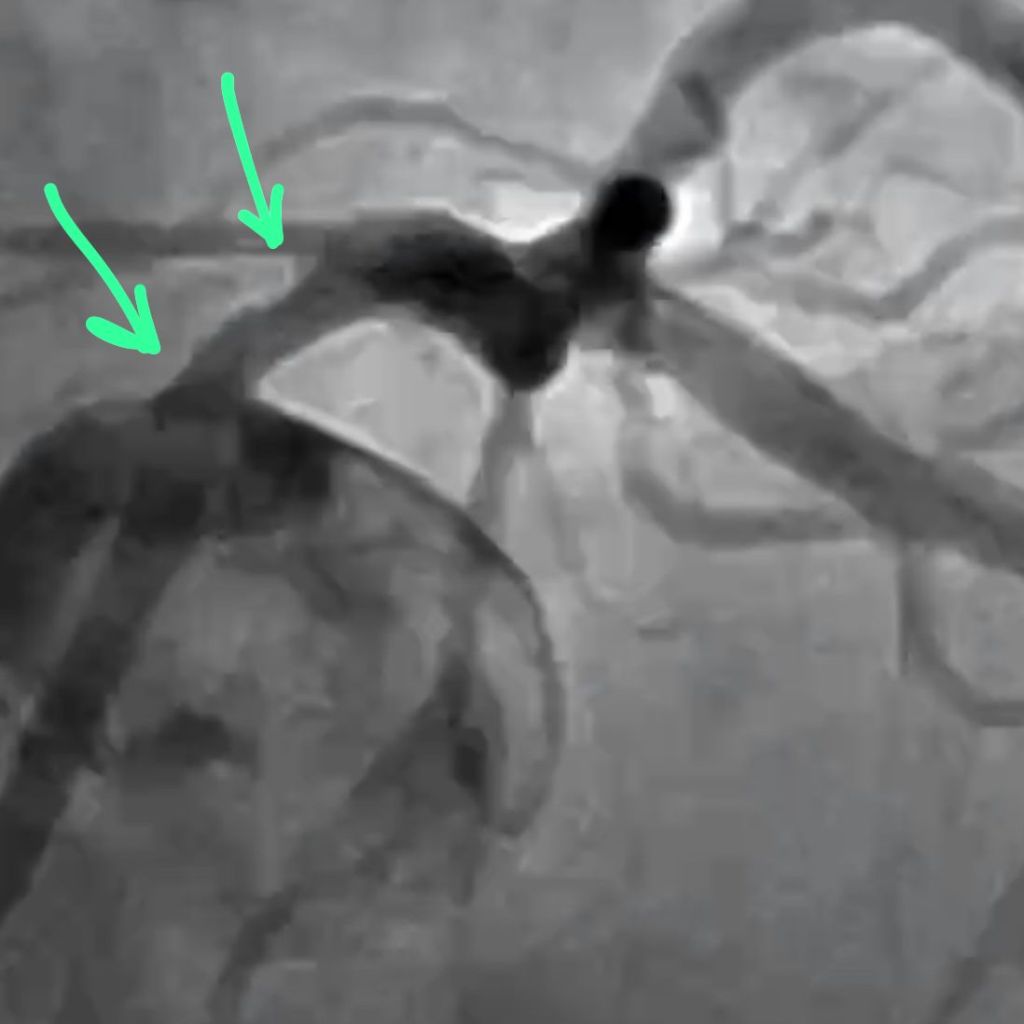
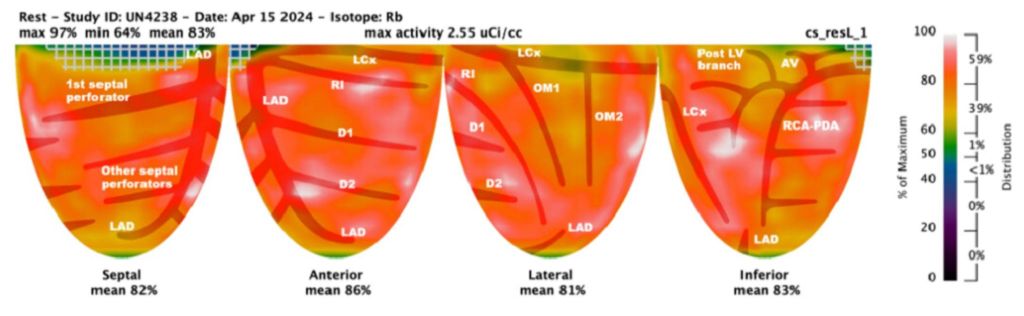
History. 68 year old man with LAD PCI 4 years ago. Presented with angina and found to have a new RCA lesion (which was stented) and this LAD CTO. The angina has resolved but the exertional dyspnea persists. The PET was very abnormal in the AW.

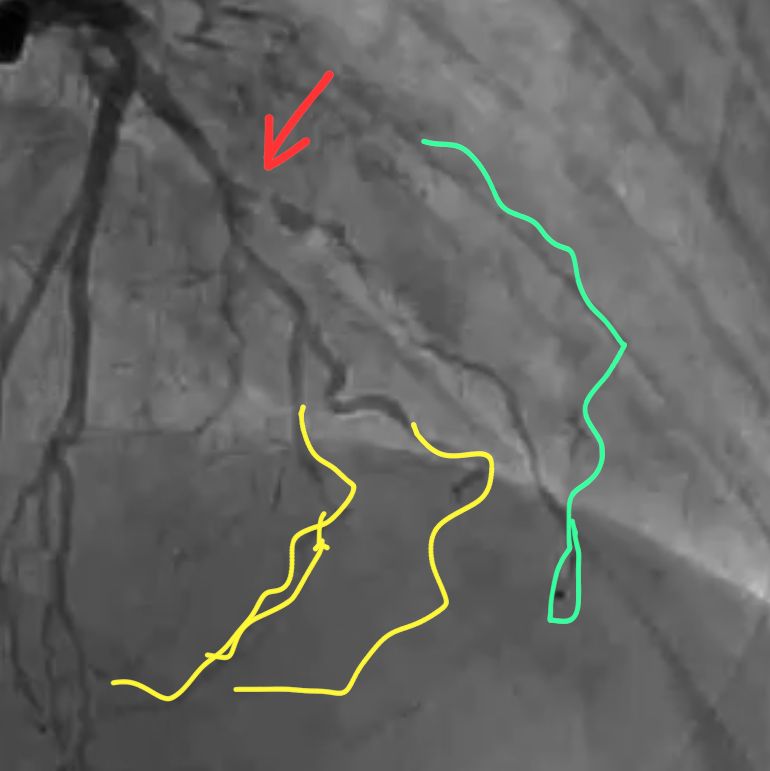
There are 3 sets of right to left collaterals. Not all are ‘usable’. The LAD fills in ‘stages’ which suggests disease in the native LAD beyond the CTO.

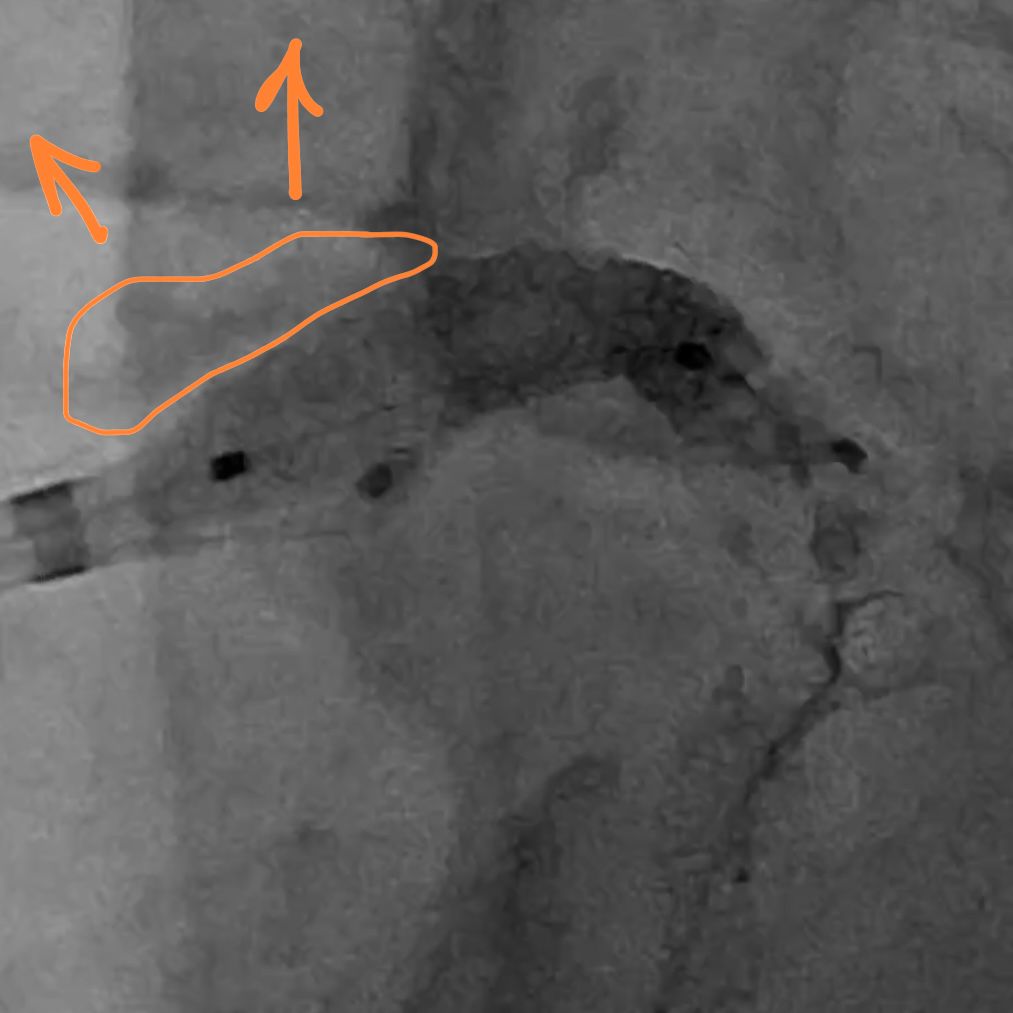
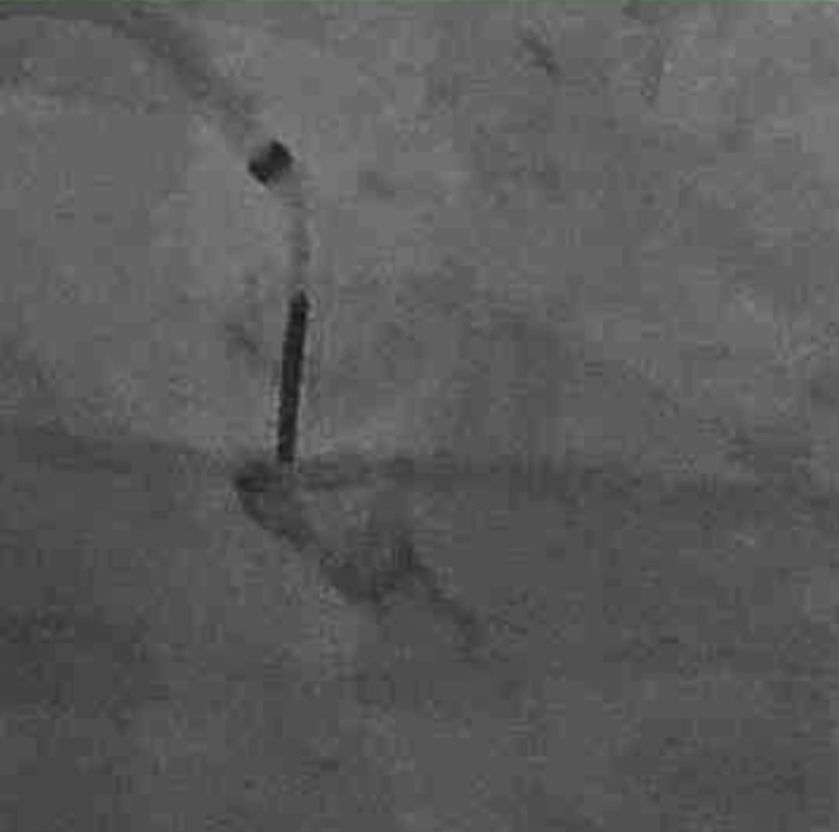
Plaque penetration was more challenging than expected. That is a Hornet 14 wire (14 gm penetration force at the tip!). As per our protocol, we stopped once the wire was a few mm distal to the hard cap. We then maneuvered our microcatheter (MC) in place.

Contrast modulation. 👆🏼Here is the intra-CTO contrast injection! Note the free passage of an tapered tip hydrophilic wire (Fielder XT).


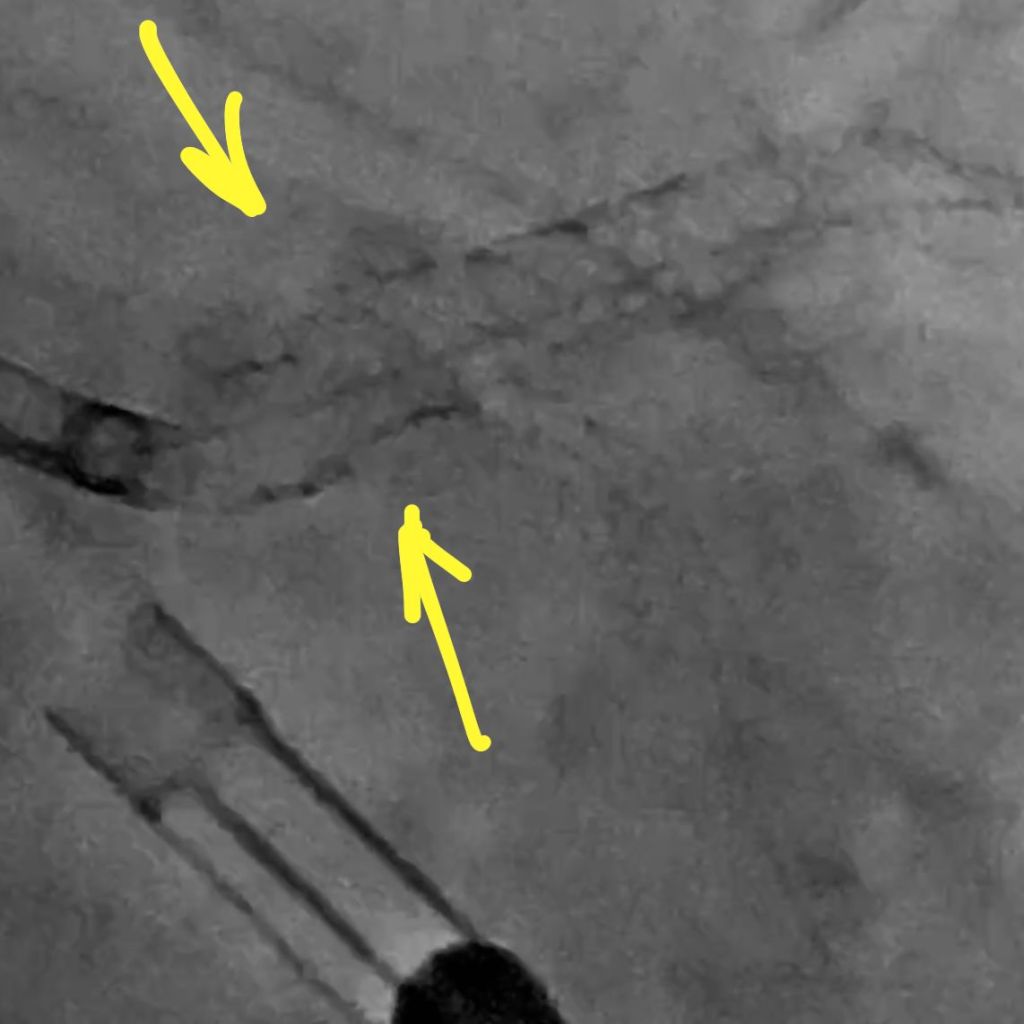
Here is a distal tip injection. This is different than injecting into the occlusion. Transducing pressure allows is to confirm we are across before injecting. A softer tipped hydrophilic wire (Gladius Mongo) helped us track into the true LAD.


I like to perform IVUS before stenting to understand the nature of the CTO, the characteristics of the vessel wall, and the size of the lumen. This helps us choose the appropriate vessel preparation and stent therapy. Here our crossing is all intraluminal.

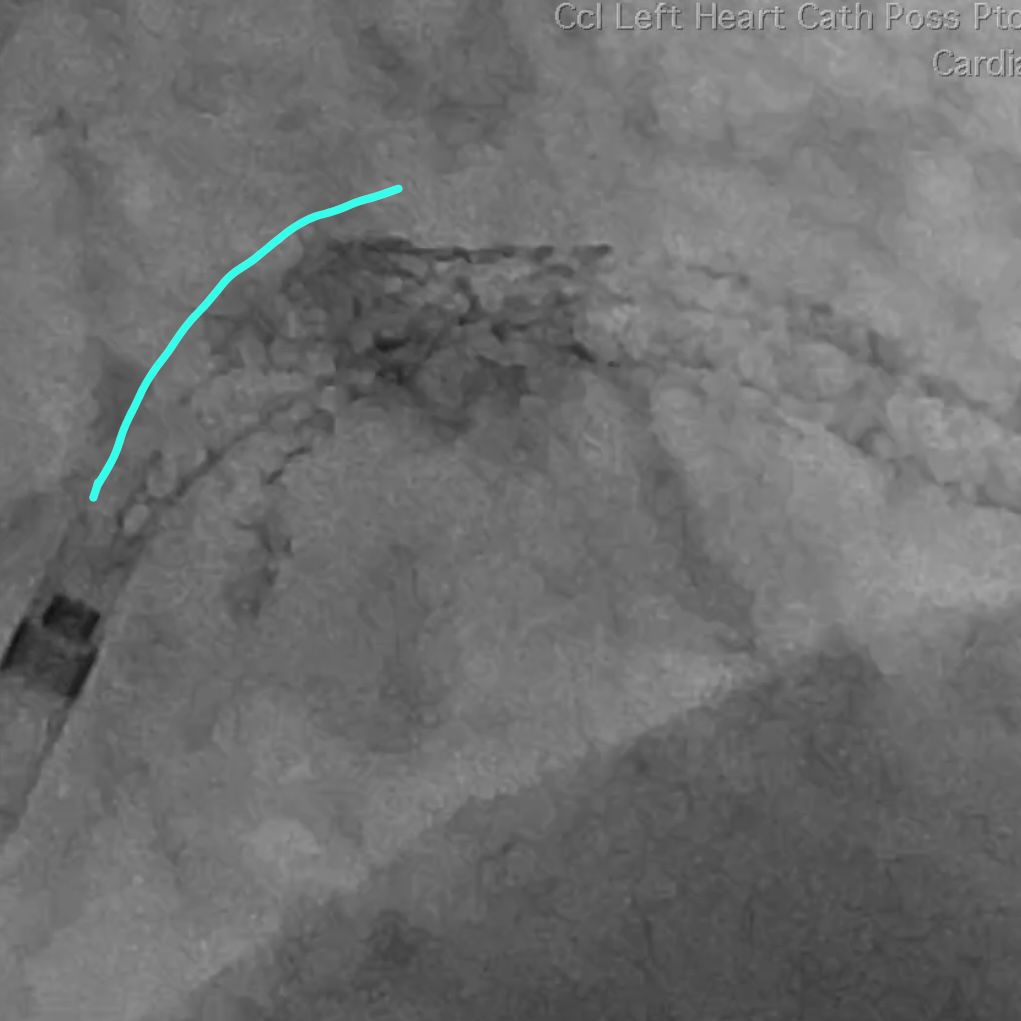
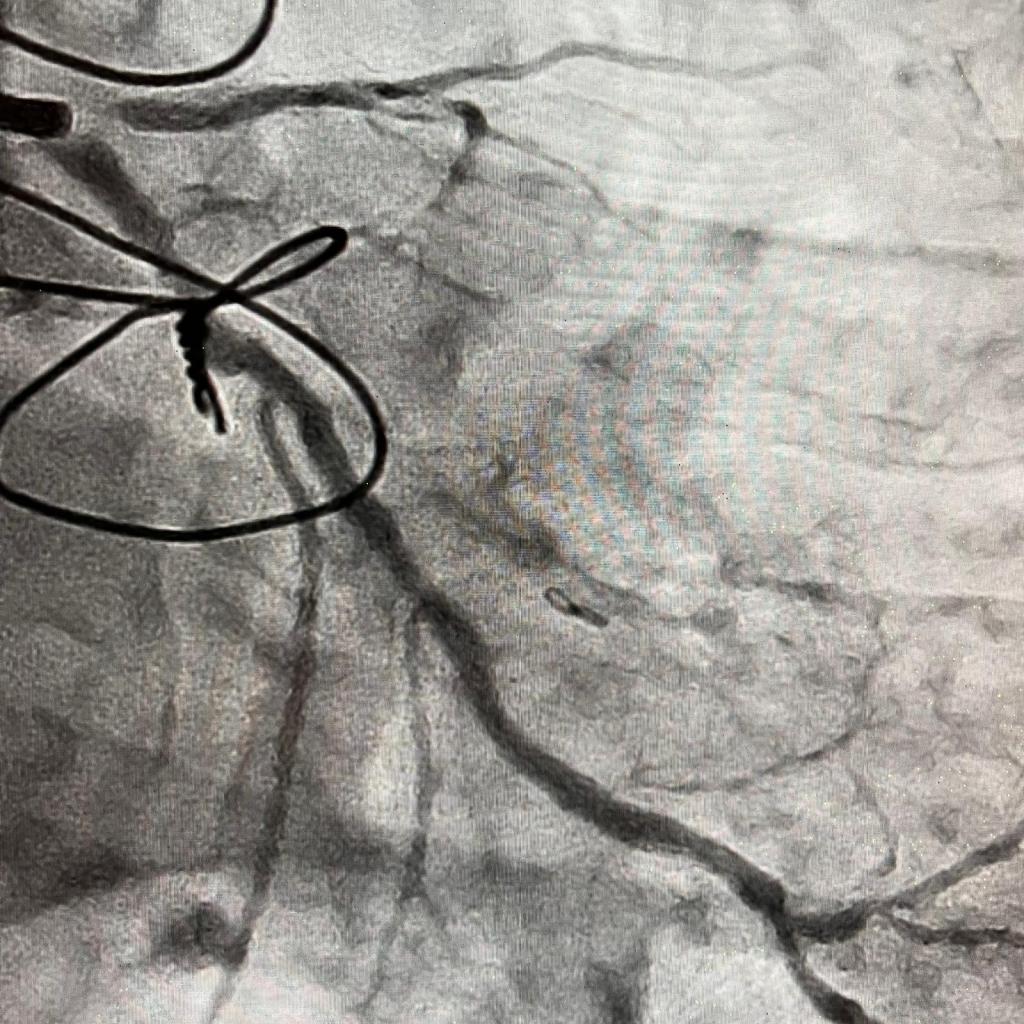
Here is the final run. We did multiple IVUS runs to size the LAD and optimize both the LAD and the D2. Note that all septals have been preserved! All in all a successful CTO which we completed in under an hour and a half.


Implantable Cardioverter Defibrillator (ICD)

By Amin H. Karim MD

Prof. Michel Mirowski, Chief of Cardiology at the Sinai Hospital of Baltimore, Maryland, Inventor of ICD, with Amin H. Karim (Resident in Department of Internal Medicine 1981)

The development of the ICD was pioneered at Sinai Hospital in Baltimore by a team including Michel Mirowski, Morton Mower, Alois Langer, William Staewen, and Joseph “Jack” Lattuca. Mirowski teamed up with Mower and Staewen and together they commenced their research in 1969 but it was 11 years before they treated their first patient.

I was a resident at the Sinai-Hopkins program in 1981-83. We followed the development of the ICD with interest and watched Dr. Mirowski conduct his experiments on dogs. The dog would be attached to electrodes, with a large contraption on a crash cart following the dog. The dog would be put into ventricular tachycardia by stimulation and would collapse to be followed by a auto shock and the dog would be revived! The size of the contraption was the size of a large television; Engineers with Boston Scientic and other companies then worked on it and made it compact and implantable. 

The work was commenced against much skepticism even by leading experts in the field of arrhythmias and sudden death. There was doubt that their ideas would ever become a clinical reality. In 1972 Bernard Lown, the inventor of the external defibrillator, and Paul Axelrod stated in the journal Circulation – “The very rare patient who has frequent bouts of ventricular fibrillation is best treated in a coronary care unit and is better served by an effective anti-arrhythmic program or surgical correction of inadequate coronary blood flow or ventricular malfunction. In fact, the implanted defibrillator system represents an imperfect solution in search of a plausible and practical application.”

The problems to be overcome were the design of a system which would allow detection of ventricular fibrillation or ventricular tachycardia. Despite the lack of financial backing and grants, they persisted and the first device was implanted in February 1980 at Johns Hopkins Hospital by Dr. Levi Watkins Jr.

The first devices required the chest to be cut open and a mesh electrode sewn onto the heart; the pulse generator was placed in the abdomen.

ICDs constantly monitor the rate and rhythm of the heart and can deliver therapies, by way of an electrical shock, when the heart rate exceeds a preset number. More modern devices have software designed to attempt a discrimination between ventricular fibrillation and ventricular tachycardia (VT), and may try to pace the heart faster than its intrinsic rate in the case of VT, to try to break the tachycardia before it progresses to ventricular fibrillation. This is known as overdrive pacing, or anti-tachycardia pacing (ATP). ATP is only effective if the underlying rhythm is ventricular tachycardia, and is never effective if the rhythm is ventricular fibrillation.

Many modern ICDs use a combination of various methods to determine if a fast rhythm is normal, supraventricular tachycardia, ventricular tachycardia, or ventricular fibrillation.

Rate discrimination evaluates the rate of the lower chambers of the heart (the ventricles) and compares it to the rate in the upper chambers of the heart (the atria). If the rate in the atria is faster than or equal to the rate in the ventricles, then the rhythm is most likely not ventricular in origin, and is usually more benign. If this is the case, the ICD does not provide any therapy, or withholds it for a programmable length of time.

Rhythm discrimination will see how regular a ventricular tachycardia is. Generally, ventricular tachycardia is regular. If the rhythm is irregular, it is usually due to conduction of an irregular rhythm that originates in the atria, such as atrial fibrillation. In the picture, an example of torsades de pointes can be seen; this represents a form of irregular ventricular tachycardia. In this case, the ICD will rely on rate, not regularity, to make the correct diagnosis.

Morphology discrimination checks the morphology of every ventricular beat and compares it to what the ICD knows is the morphology of normally conducted ventricular impulse for the patient. This normal ventricular impulse is often an average of a multiple of normal beats of the patient acquired in the recent past and known as a template.

The integration of these various parameters is very complex, and clinically, the occurrence of inappropriate therapy is still occasionally seen and a challenge for future software advancements.

Lead II electrocardiogram (known as “rhythm strip”) showing torsades de pointes being shocked by an implantable cardioverter-defibrillator back to the patient’s baseline cardiac rhythm.

Torsades de Pointes converted by ICD

A number of clinical trials have demonstrated the superiority of the ICD over AAD (antiarrhythmic drugs) in the prevention of death from malignant arrhythmias. The SCD-HeFT trial (published in 2005)showed a significant all-cause mortality benefit for patients with ICD. Congestive heart failure patients that were implanted with an ICD had an all-cause death risk 23% lower than placebo and an absolute decrease in mortality of 7.2 percentage points after five years in the overall population.1 Reporting in 1999, the Antiarrhythmics Versus Implantable Defibrillators (AVID) trial consisted of 1,016 patients, and deaths in those treated with AAD were more frequent (n = 122) compared with deaths in the ICD groups (n = 80, p < 0.001) In 2002 the MADITII trial showed benefit of ICD treatment in patients after myocardial infarction with reduced left ventricular function (EF<30). (Copied from Wikipedia)

Prof. Mirowski of Sinai Hospital of Baltimore, Maryland in his office.

Mirowski, M; Reid, PR; Mower, MM; Watkins, L; Gott, VL; Schauble, JF; Langer, A; Heilman, MS; Kolenik, SA; Fischell, RE; Weisfeldt, ML (7 August 1980). “Termination of malignant ventricular arrhythmias with an implanted automatic defibrillator in human beings”. The New England Journal of Medicine. 303 (6): 322–4. doi:10.1056/nejm198008073030607. PMID 6991948.

Neurofibromatosis

By Dr. Shifa Younus
Nishtar Medical College, Multan, Pakistan.
Amin H. Karim MD

Case Presentation: 

A 65-year-old patient, presents in the office with multiple raised lesions all over his body more so on face and extremities. The patient has had these lesions since childhood. He had a few lesions in the beginning, but these progressively increased in number with time. The Patient complains of high blood pressure readings for one year. There is no history of neurological tumors, intellectual disability, or renal involvement.  

 Family History: The Patient has a family history of similar lesions in his son and grandson. Both have these lesions with associated symptoms. 

Physical Examination: 
Extremity Examination: There are multiple lesions which are raised, mobile, and painless with no associated ulcers or change in coloration of the surrounding skin. 

Diagnosis: 
Based on the symptoms and history, Mr. Mccray was diagnosed with Neurofibromatosis type 1 or Von Recklinghausen’ disease. 

Neurofibromatosis type 1 or Von Recklinghausen’s Disease: 

Neurofibromatosis type 1 (NF-1) was formerly known as Von Recklinghausen’s disease after the German pathologist, Friedrich Daniel von Recklinghausen (1822-1910). He was the student of a famous pathologist Rudolph Virchow in University of Berlin. and served as the professor of pathology in various universities. He is best known for his description of three disorders: multiple neurofibromatosis, osteitis fibrosa cystica, and hemochromatosis.[1]  

NF-1 is one of the most common neurocutaneous genetic disorders with autosomal pattern of inheritance. It accounts for 1 out of 3000 live births. It is caused by the mutations in NF-1 gene, present on chromosome 17, which encodes a cytoplasmic protein, neurofibromin present in neurons, leukocytes, oligodendrocytes, and Schwann cells. [2] 

NF-1 is an age specific disease which becomes apparent during infancy, but it can also appear in adulthood due to hormonal changes. The severity of the disease varies from person to person. However, about 60% of the patients present with mild disease with no effect on their daily life. Neurofibromas, the most common presentation related to NF-1, are the peripheral nerve sheath tumors arising from Schwann cells and fibroblasts. [3] 

NF-1 comprises of multiple manifestations ranging from cutaneous lesions to serious neurological and systemic manifestations which include: 

Cutaneous manifestations: 

  • Café au lait spots 
  • Inguinal or axillary freckling (Crowe’s sign) 
  • Neurofibromas; cutaneous or plexiform 

Ocular manifestations: 
Optic glioma 
Lisch nodules, brown pigmented hamartomatous nodule affecting iris. 

Musculoskeletal manifestations
Kyphosis 
Scoliosis 
Macrocephaly 
Sphenoid dysplasia 

Craniofacial manifestations
Orbital dysplasia 
Intraosseous neurofibroma of maxilla and mandible 
Pheochromocytoma. 
Attention deficit hyperkinetic disorder. 

NF-1 can lead to some serious complications including bone tumors and peripheral nerve damage that may also lead to vision loss. Some neurofibroma may rarely degenerate into malignant tumors. However, early diagnosis and treatment plays an important role in improving the prognosis. The National Institute of Health Consensus Development Conference in 1988 put forth a diagnostic criterion for NF-1. If the patient has two or more of the following: 

  • Six or more café au lait macules 
  • Two or more neurofibromas of any type or one plexiform neurofibroma 
  • Freckling in the axillary or inguinal regions 
  • Optic glioma 
  • Two or more iris Lisch nodules 
  • Distinctive osseous lesion such as sphenoid dysplasia 
  • Family history of the first-degree relative with neurofibromatosis. [4] 

Other diagnostic techniques include: 

  • Slit-lamp examination may be performed on children to look for Lisch nodules. 
  • T2 weighted MRI of the brain and spine which may reveal hyperintense lesions due to aberrant myelination or gliosis of neurons. [5] 
  • Biopsy of the neurofibromas which may reveal non-encapsulated tumor composed of fascicles of slender, spindle-shaped cells. 
  • Prenatal diagnosis of NF-1 can be made by genetic testing. 

The management of neurofibromatosis is done by a multidisciplinary team which includes dermatologists, neurologists, oncologists, pediatricians, and genetic counselors. Café au lait spots and cutaneous neurofibromas are particularly benign and do not require treatment. However, symptomatic lesions or ones with malignant potential may require surgical excision but their recurrence is very common. [6] Apart from the mainstay treatment by surgery there are certain medical treatments that target at the molecular level and inhibit the pathway involved in pathophysiology of neurofibromas. These include selumetinib, mirdametinib, binimetinib which have proven to be helpful in decreasing the overall volume of neurofibromas and providing symptomatic relief. NF-1 has a considerable impact on general quality of life (QoL) of the patients due to it dermatological manifestations. Therefore, psychosocial support is of immense importance in such patients and cannot be neglected. [7] 

1.Britannica, T. Editors of Encyclopaedia (2023, November 28). Friedrich Daniel von Recklinghausen. Encyclopedia Britannica. https://www.britannica.com/biography/Friedrich-Daniel-von-Recklinghausen&nbsp;

2.Ghalayani P, Saberi Z, Sardari F. Neurofibromatosis type I (von Recklinghausen’s disease): A family case report and literature review. Dent Res J (Isfahan). 2012;9(4):483-488. 

3.Nallanchakrava S, Mallela MK, Jeenepalli VSK, Niharika HM. A rare case report of neurofibromatosis type 1 in a 12-year-old child: A 15-month follow-up. J Oral Maxillofac Pathol. 2020;24(Suppl 1):S106-S109. doi:10.4103/jomfp.JOMFP_35_20 

4. Ferner RE, Huson SM, Thomas N, et al. Guidelines for the diagnosis and management of individuals with neurofibromatosis 1. J Med Genet. 2007;44(2):81-88. doi:10.1136/jmg.2006.045906 

5. Ferner RE, Huson SM, Thomas N, et al. Guidelines for the diagnosis and management of individuals with neurofibromatosis 1. J Med Genet. 2007;44(2):81-88. doi:10.1136/jmg.2006.045906 

6. Taylor LA, Lewis VL Jr. Neurofibromatosis Type 1: Review of Cutaneous and Subcutaneous Tumor Treatment on Quality of Life. Plast Reconstr Surg Glob Open. 2019;7(1):e1982. Published 2019 Jan 18. doi:10.1097/GOX.0000000000001982 

7. Taylor LA, Lewis VL Jr. Neurofibromatosis Type 1: Review of Cutaneous and Subcutaneous Tumor Treatment on Quality of Life. Plast Reconstr Surg Glob Open. 2019;7(1):e1982. Published 2019 Jan 18.